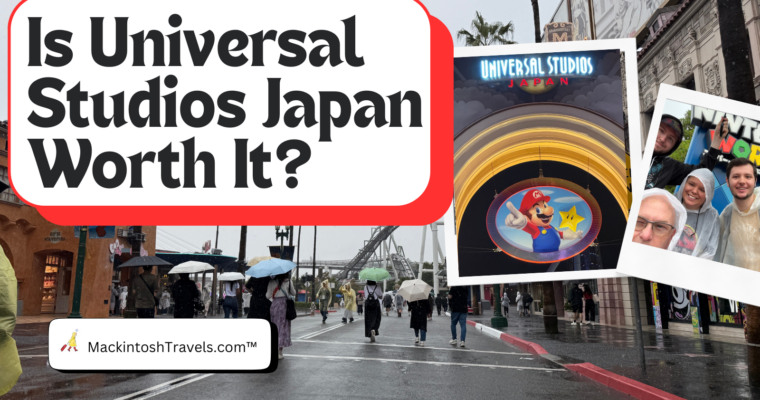
If you’re visiting Japan for the first time, you’re probably wondering: Is Universal Studios Japan worth it? You may be also wondering if Universal Studios Japan (USJ), which is located in Osaka, will fit into your itinerary. With so many incredible cultural experiences, historical sites, …
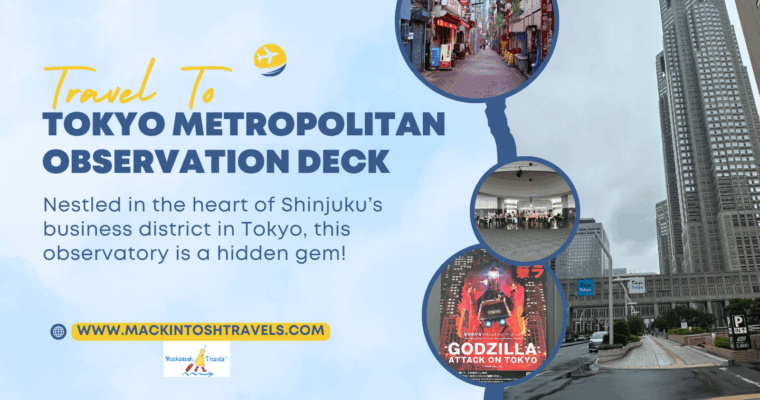
When people think of Tokyo’s skyline, they often think about famous landmarks like Tokyo Skytree or Tokyo Tower. Both are beautiful in their own ways, and they charge admission fees for the breathtaking views they offer. Nestled in the heart of Shinjuku is the Tokyo …
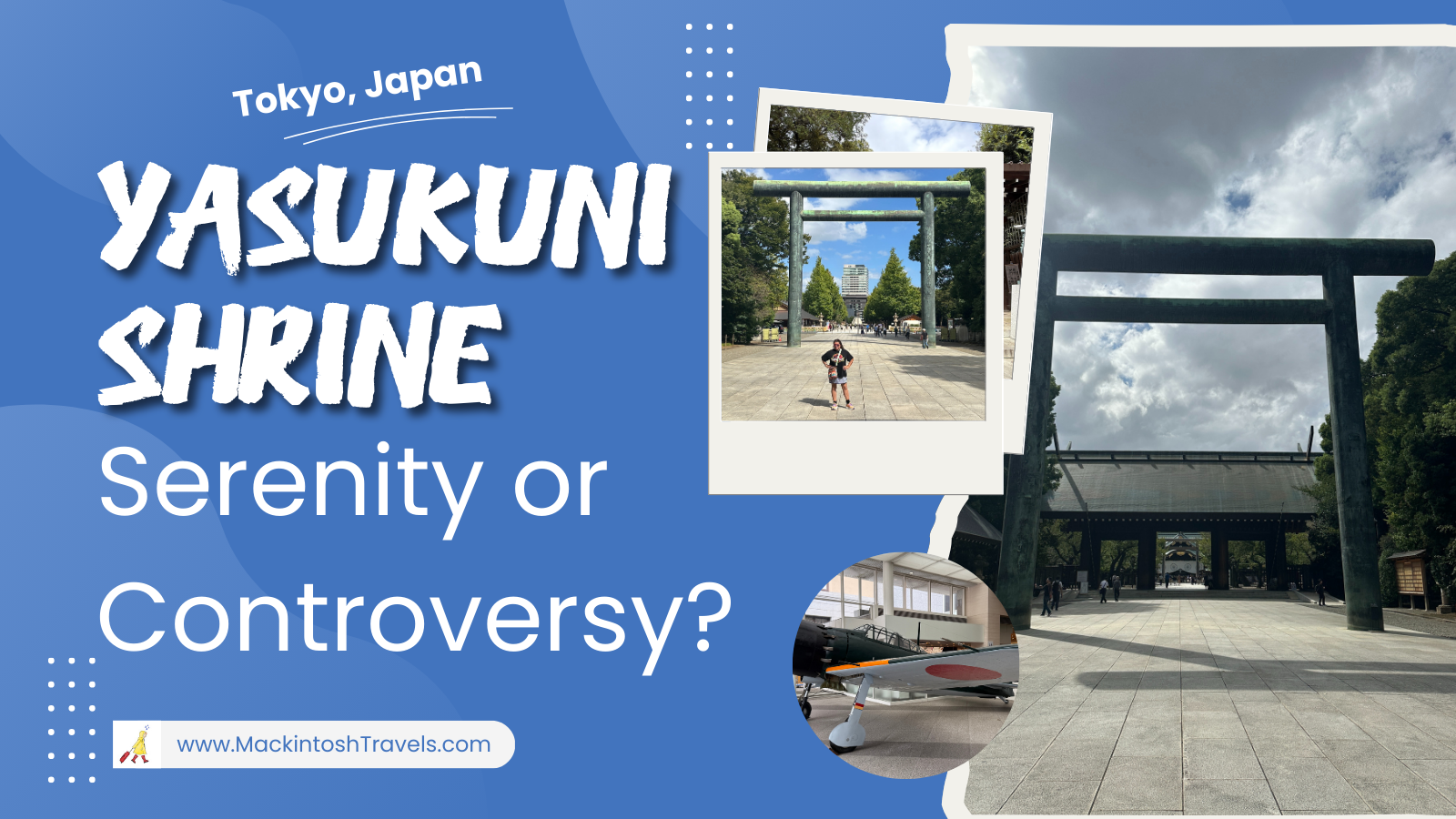
Tokyo is a city where modern skyscrapers, futuristic train stations, and ramen shops coexist with ancient shrines & temples that seem to whisper history in every wooden beam. Among these, Yasukuni Jinja Shrine stands out. It stands out not only for its serene beauty but also for the weight of history it carries. Visiting this shrine is less about snapping a few Instagram shots (though, you’ll certainly do that). It’s more about stepping into a place where Japan’s complicated past meets its present identity. And yes, like many great landmarks, it’s got a touch of controversy to keep things interesting.
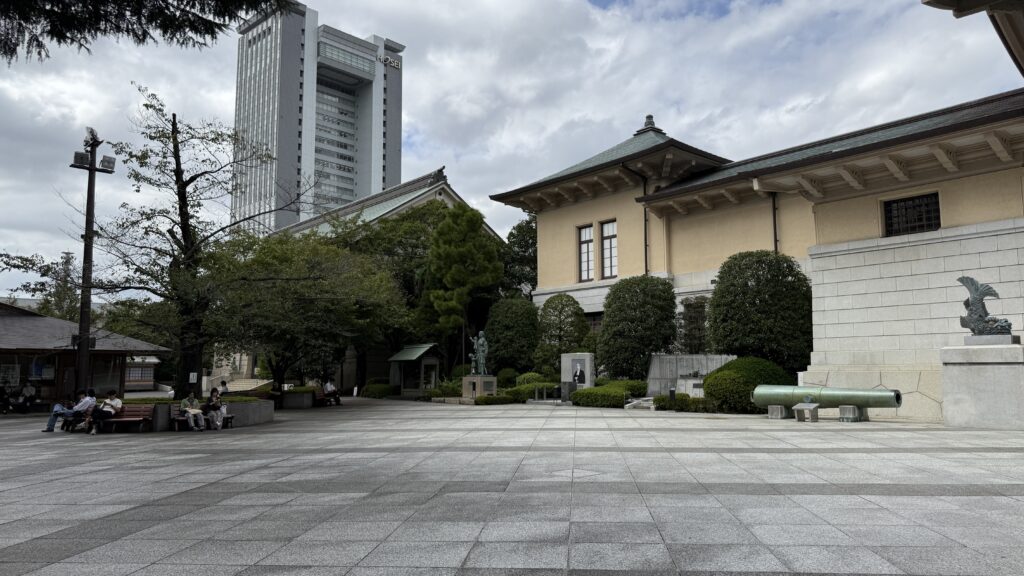
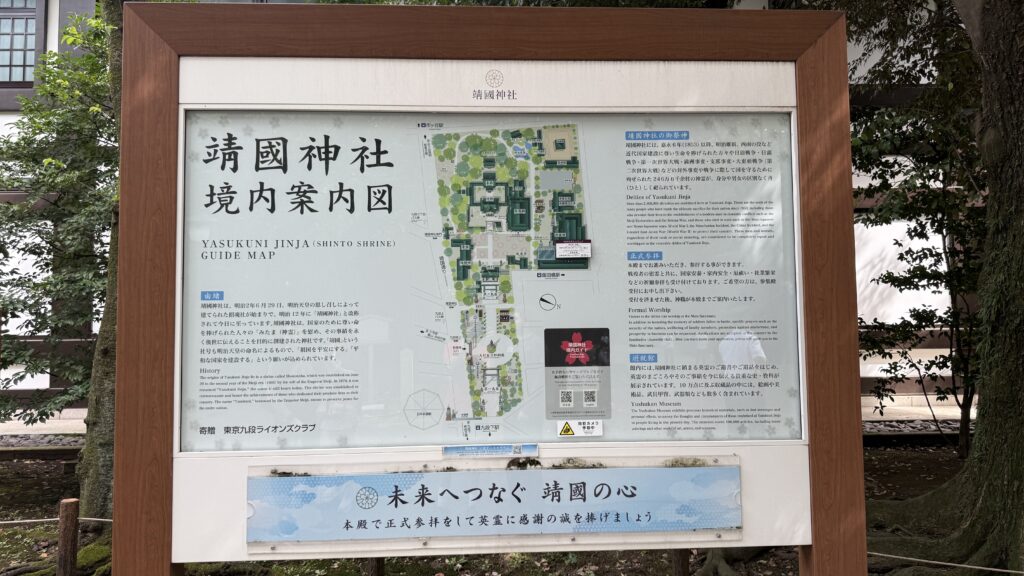
Located in Chiyoda, just a short stroll from Kudanshita Station, Yasukuni Jinja is a Shinto shrine dedicated to the spirits of those who died in service to Japan. Now, before you get any grim mental images, let me clarify. This is not some gloomy war memorial cloaked in shadows. Instead, it’s a peaceful sanctuary filled with lit pathways, Torii gates, and that unmistakable Shinto shrine charm. If you sit here a while you can almost hear the rustling of history in the leaves.
A Little Backstory (Or: How It All Began)
The shrine was established in 1869 by Emperor Meiji. It is originally named Tokyo Shokonsha, to commemorate those who died in the Boshin War. It was later renamed Yasukuni Jinja, which translates loosely to “Peaceful Country Shrine.” And here’s where the irony begins. The shrine was intended as a place of peace, yet the names it enshrines belong to those who died in wars. Over the decades, the list grew to include around 2.5 million souls—samurai, soldiers, doctors, and even civilian support workers who perished in conflicts from the 19th century right up through World War II.
For anyone wondering how exactly a shrine “enshrines” spirits, here’s the breakdown. In Shinto belief, once a name is recorded in the shrine’s registers, that person’s spirit is permanently housed there. Think of it as the spiritual equivalent of making it onto the guest list for eternity—no retractions, no edits. And yes, that has caused some awkward historical debates, but we’ll get to that.
First Impressions
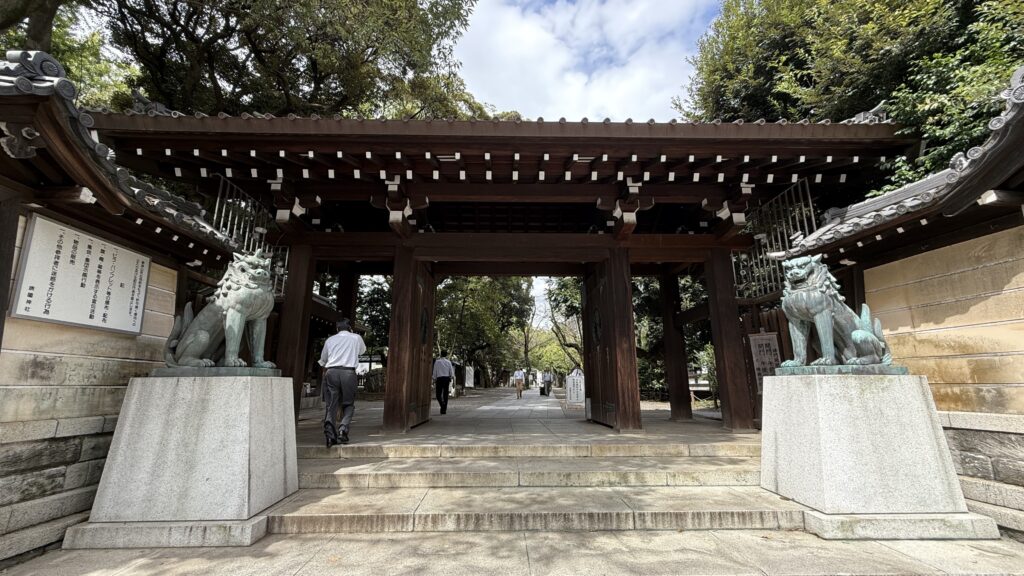
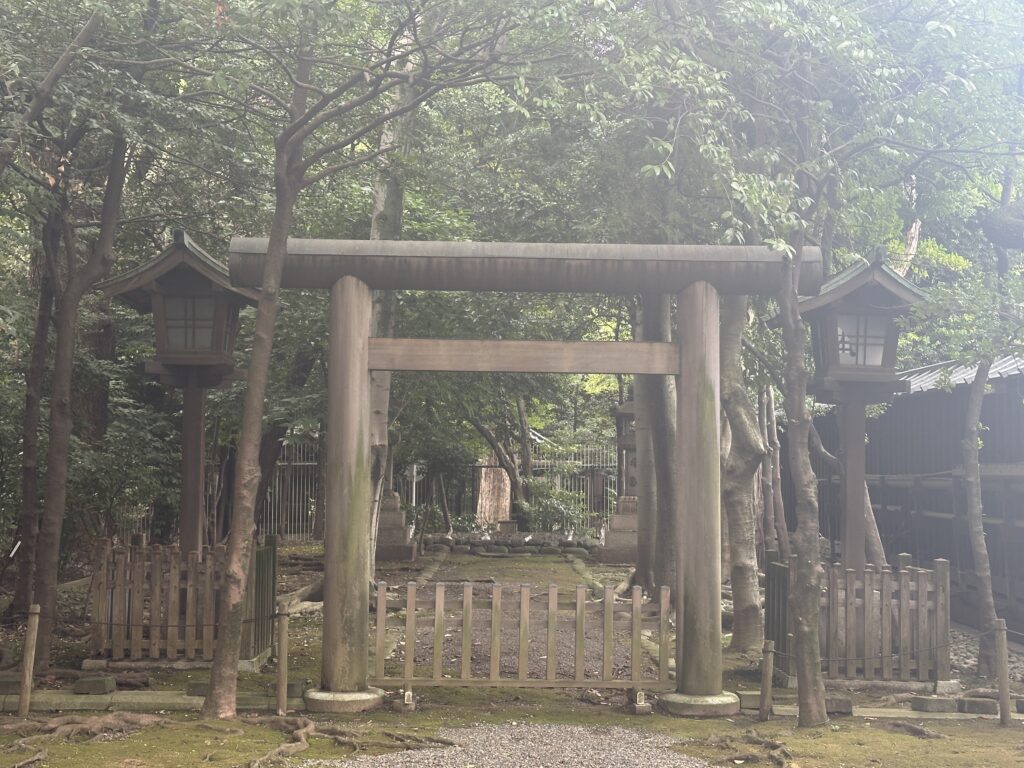
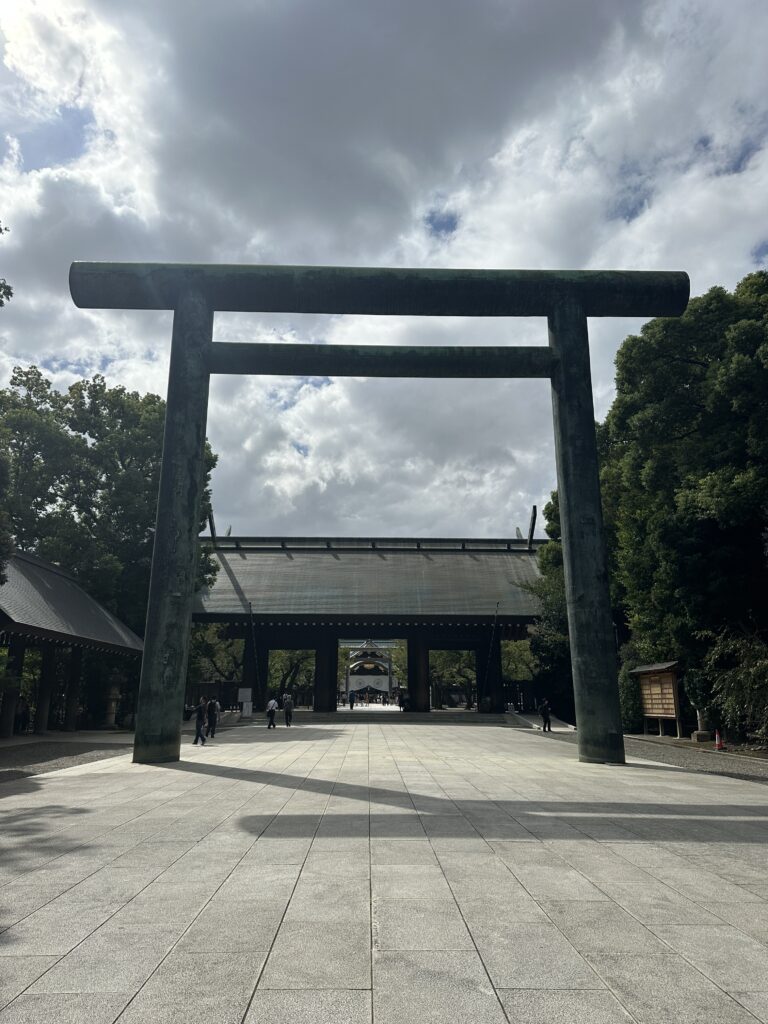
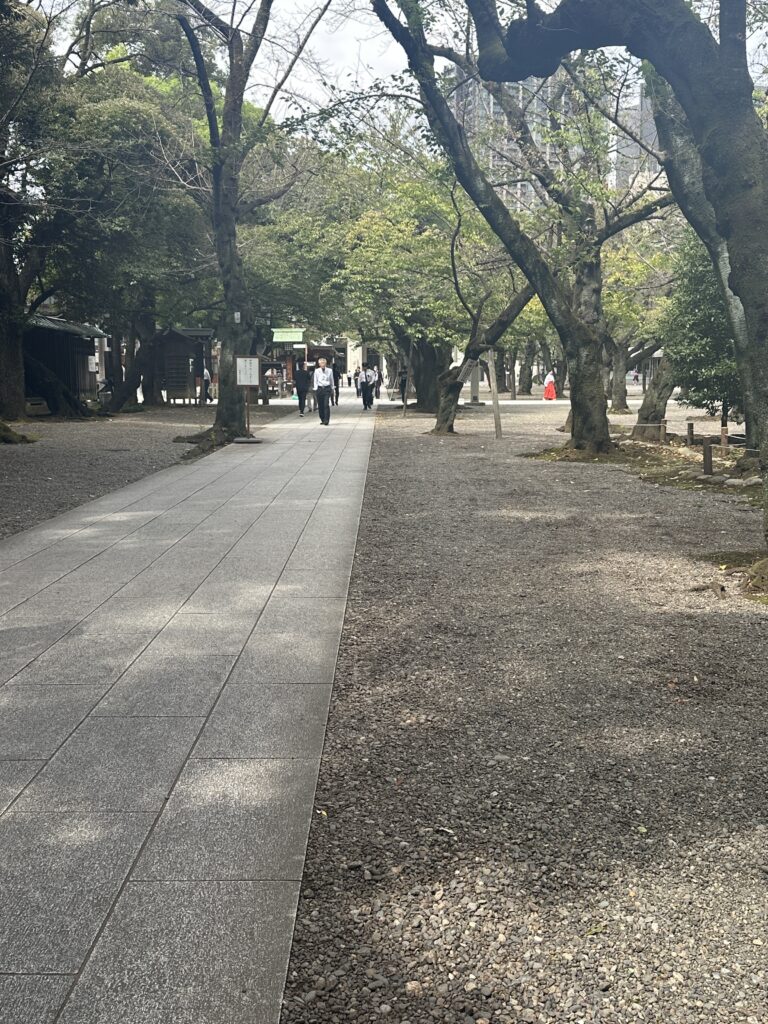
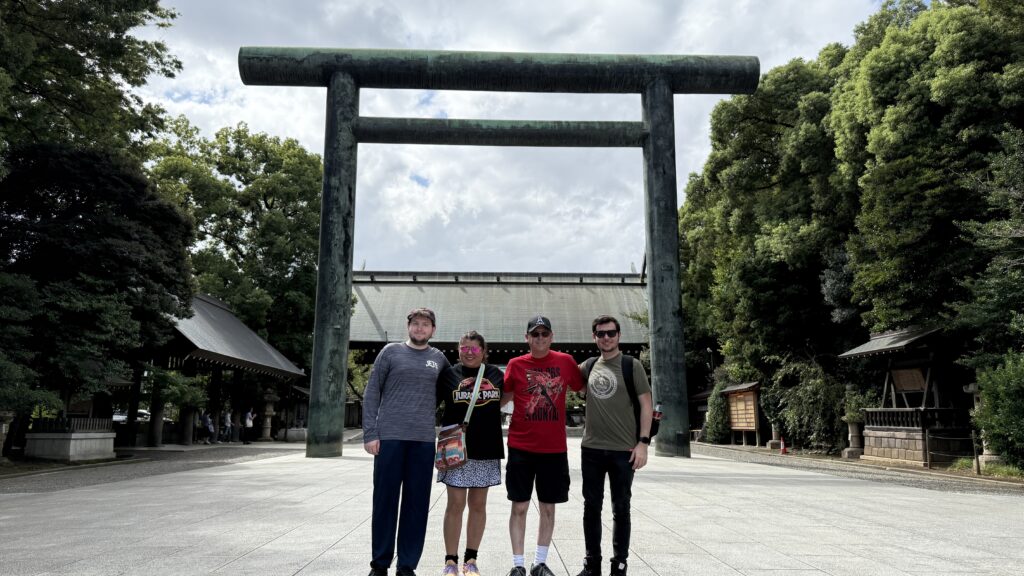
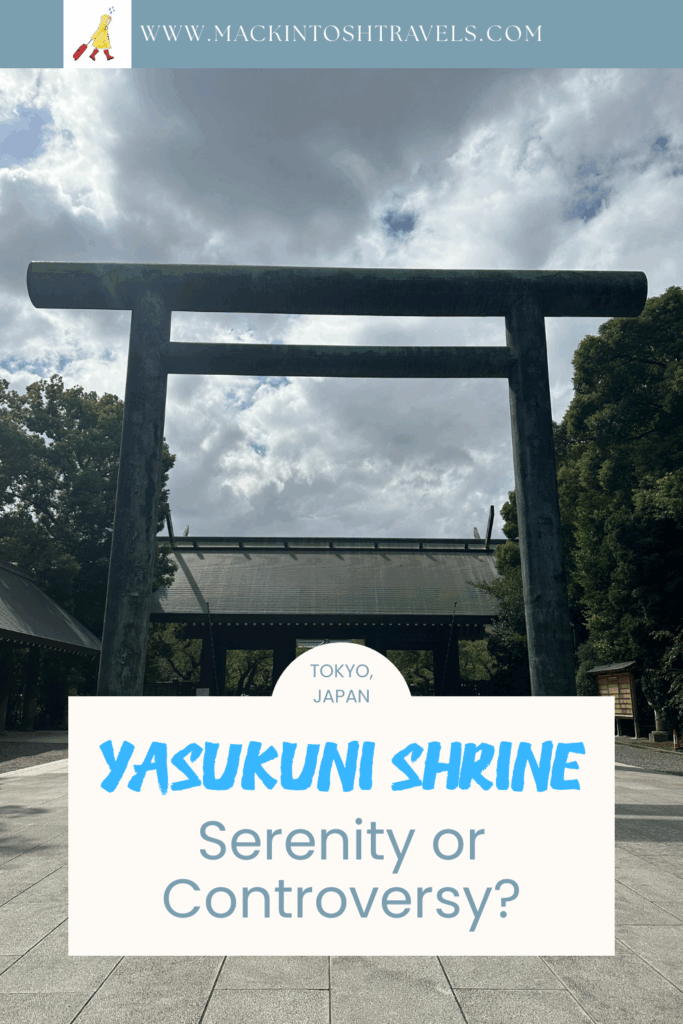
Walking up to Yasukuni Shrine, you’re greeted by the massive First Torii Gate. It stands tall like a bouncer for the spiritual world. In passing through you’ll find yourself on a wide stone path leading toward the shrine’s main hall.
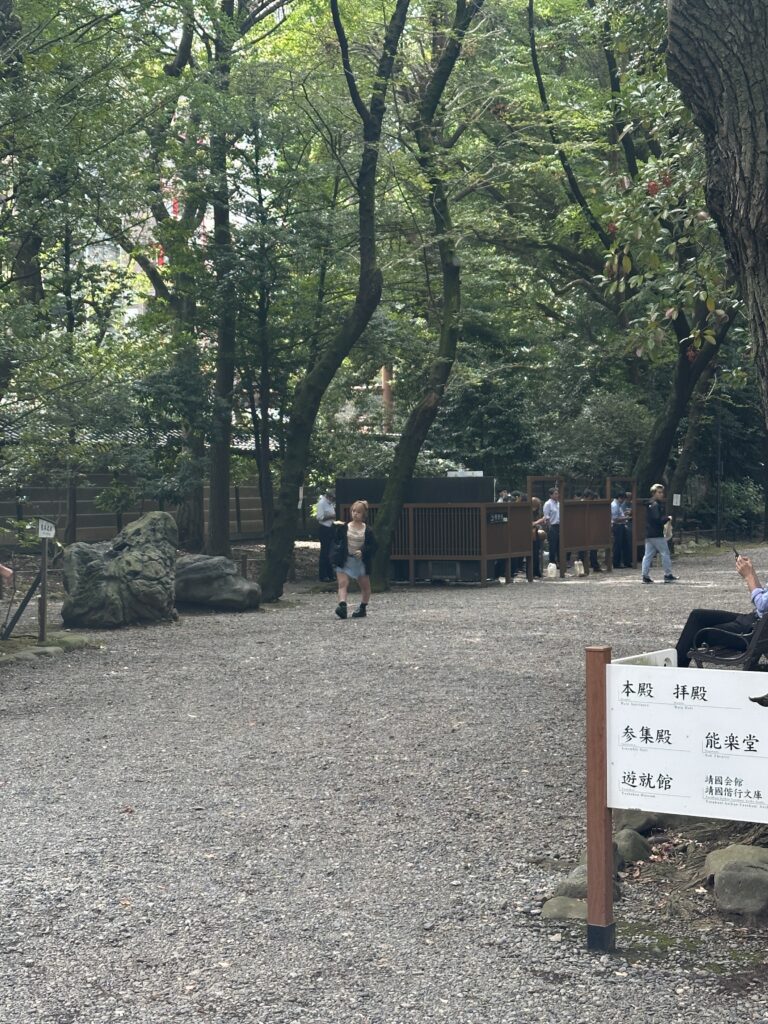
If you’re anything like me, you’ll notice the serenity first. Despite being in central Tokyo, the noise of the city seems to pause at the gates. The clattering of trains and minimal honking cars give way to the quiet crunch of gravel under your feet. This is very much a shrine in the traditional sense that it is designed to slow you down, to let you breathe, and to remind you that sometimes history deserves a quiet moment of reflection.
The Yushukan Museum
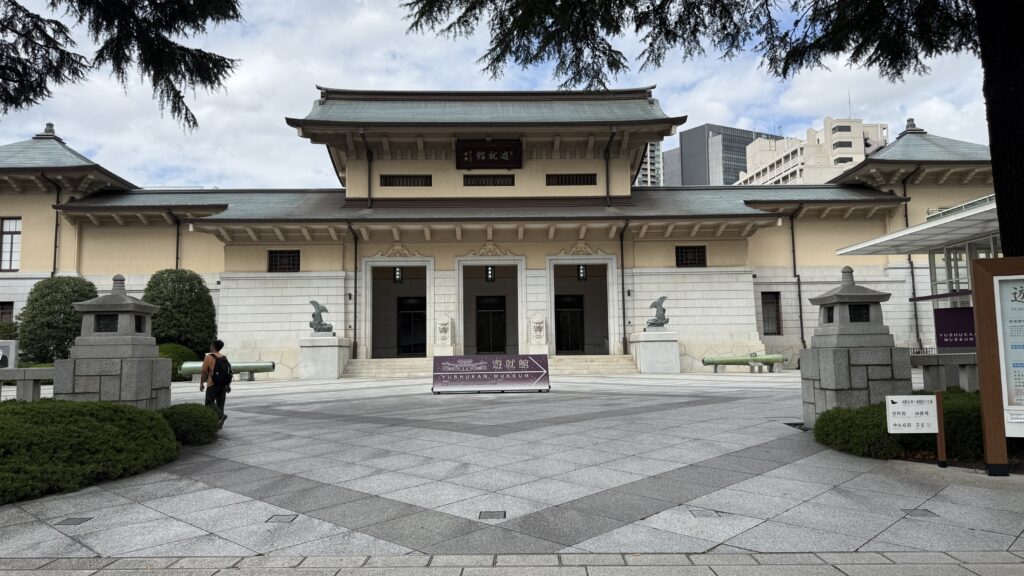
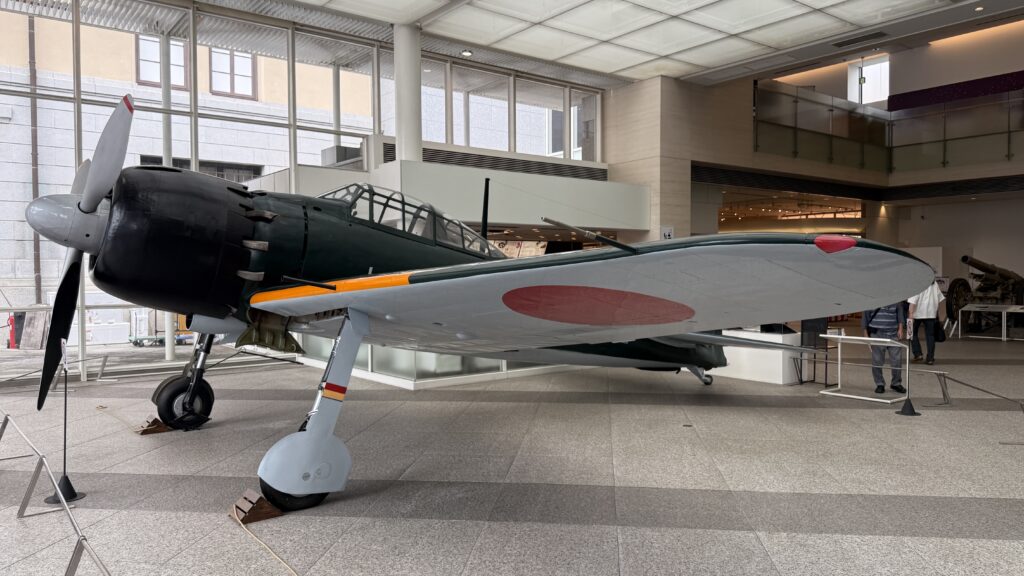
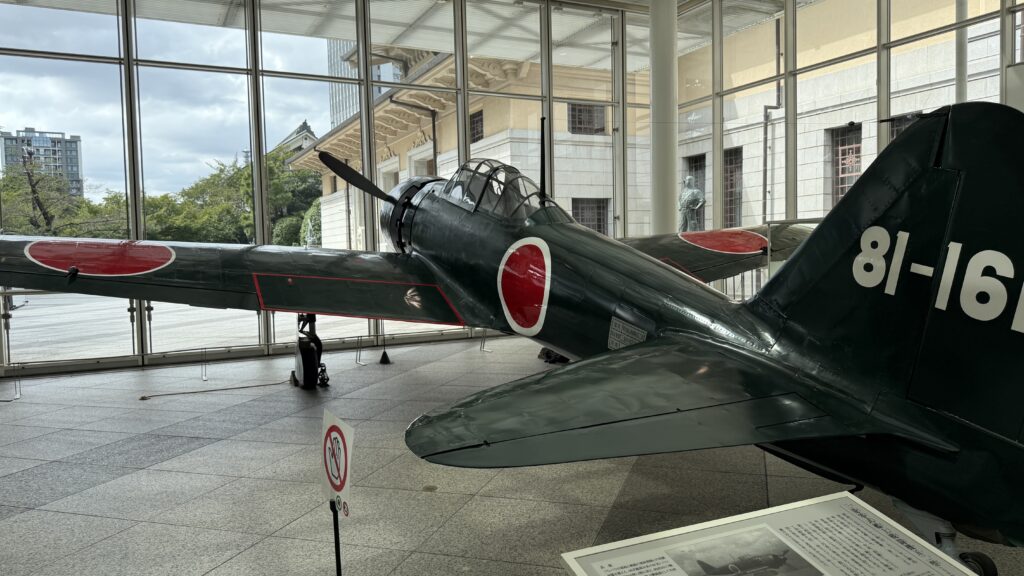
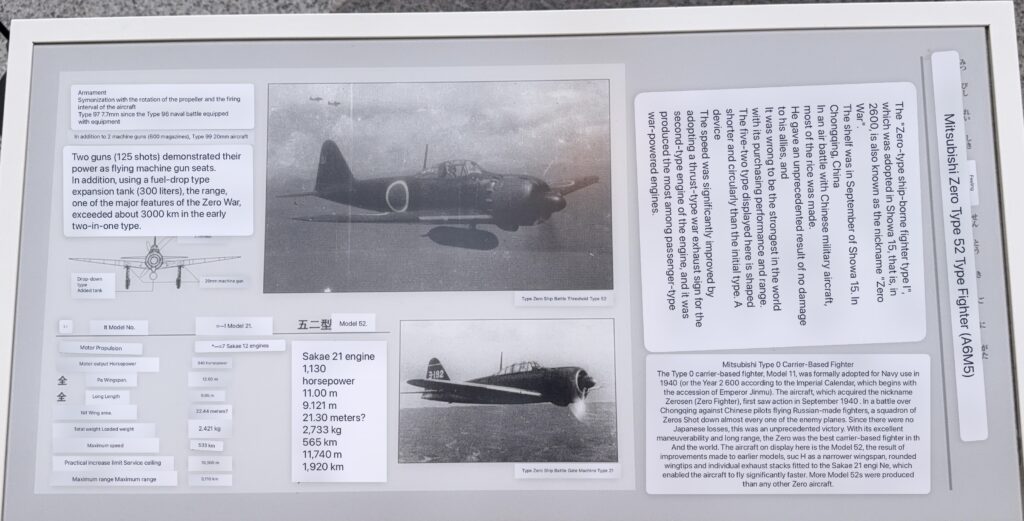
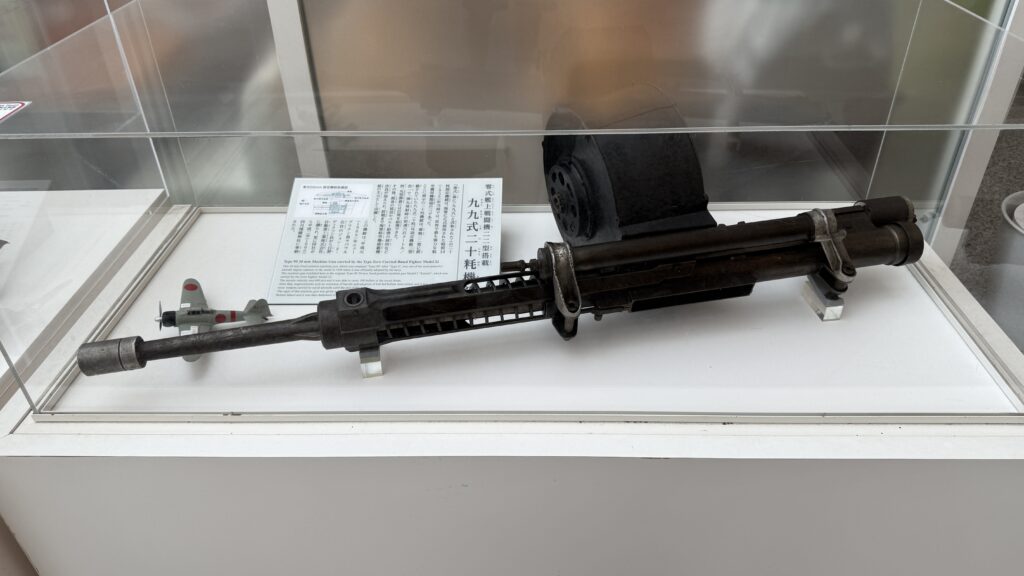
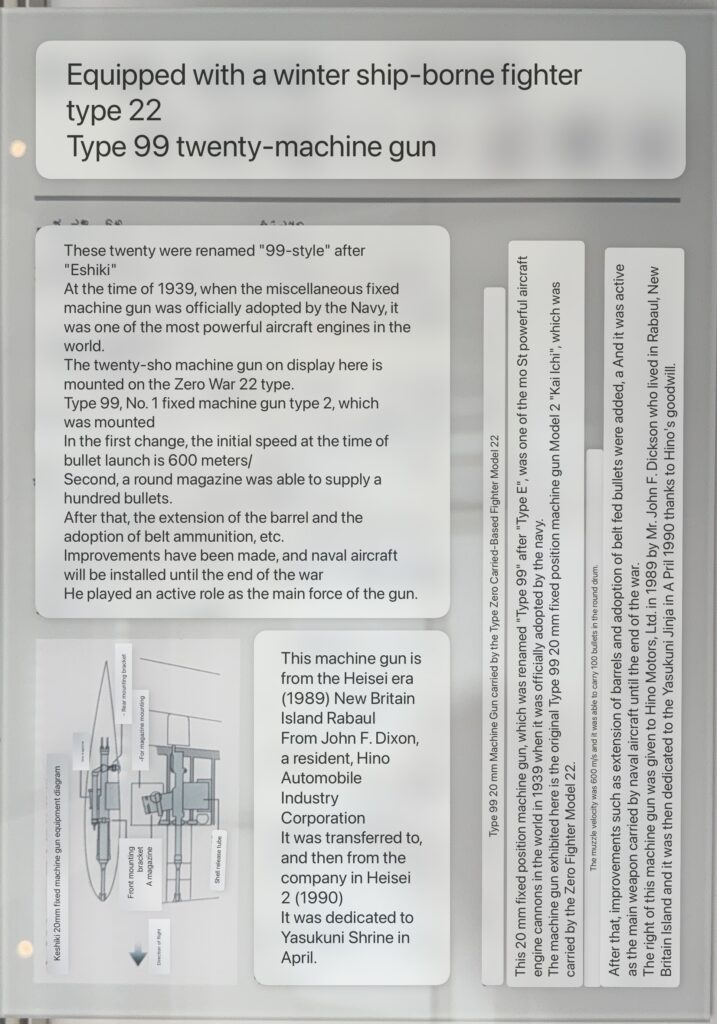
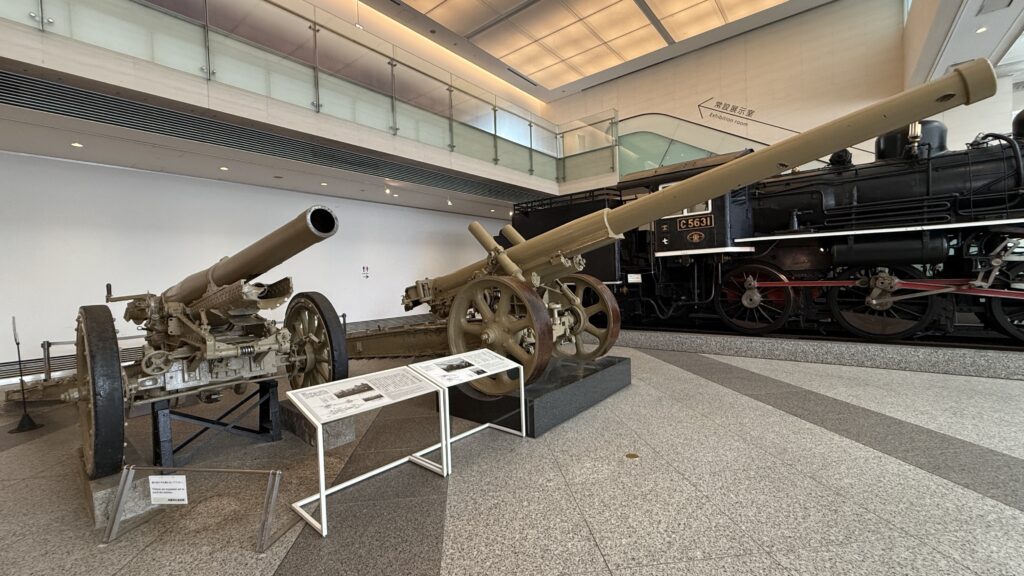
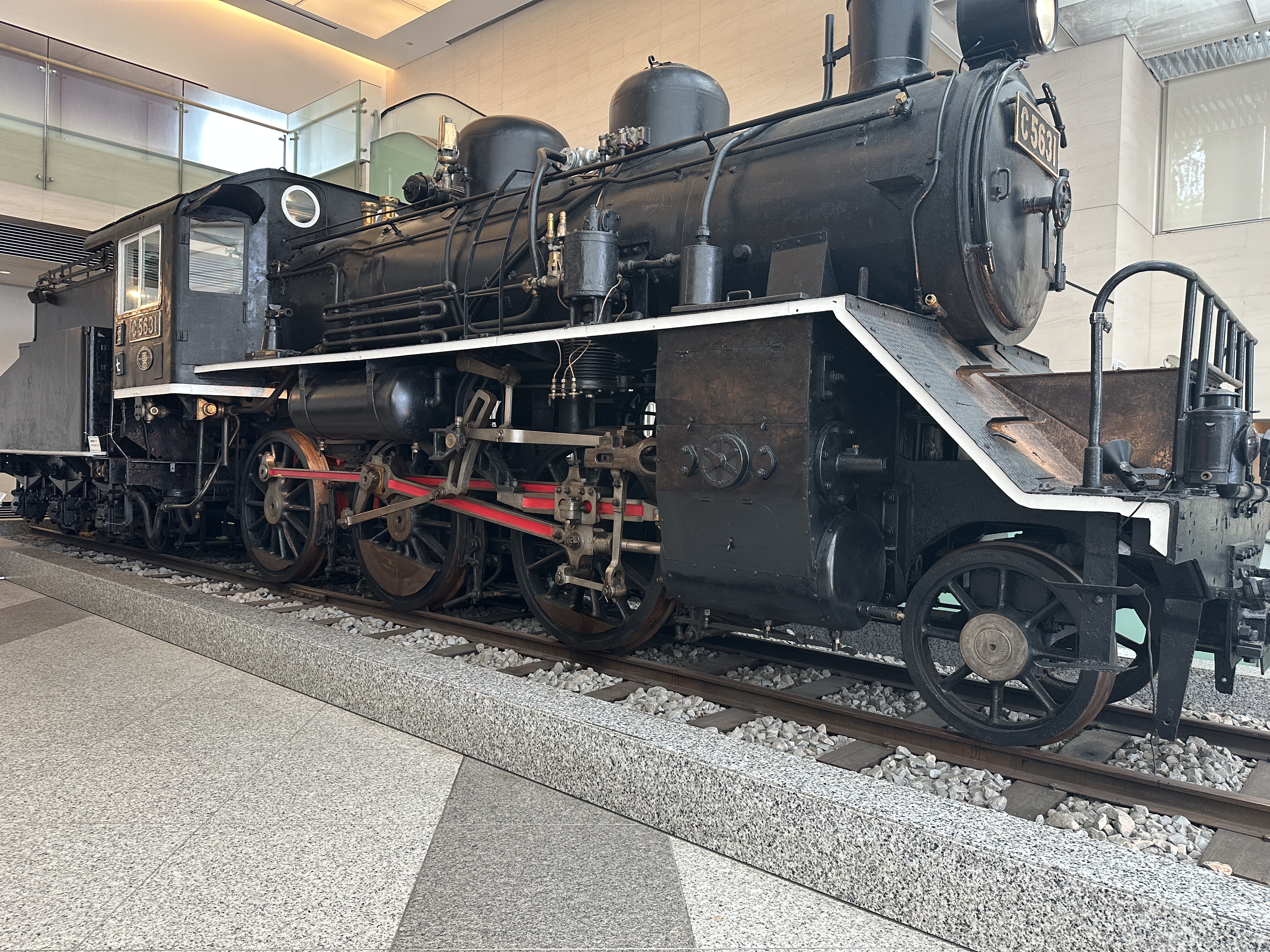
Ah yes, the museum. No visit to Yasukuni Shrine is complete without stopping by the Yūshūkan, the shrine’s attached museum. Established in 1882, it’s Japan’s oldest military museum, and it’s not shy about telling a story—though it does so in a very particular way. Exhibits range from samurai armor and Edo-period weaponry to tanks, Zero fighter planes, and letters written by soldiers before heading into battle.
Here’s where things get tricky. The museum tends to present Japan’s military history through a lens of honor and sacrifice, which, depending on your perspective, might feel like a nationalistic glossing-over of certain historical events. Let’s just say the narrative might not perfectly align with your high school World War II history textbook. That said, it is undeniably fascinating. Even if you disagree with the framing, the artifacts themselves are compelling, and the museum gives a window into how Japan has chosen to remember its warriors.
A Place of Beauty and Ritual
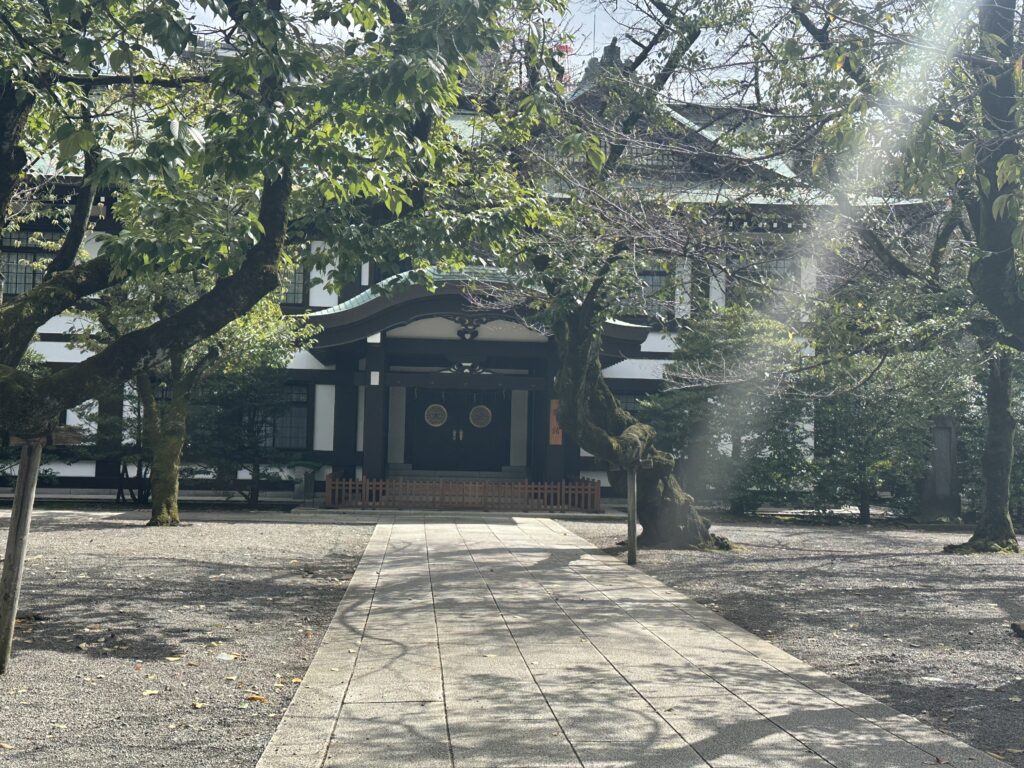
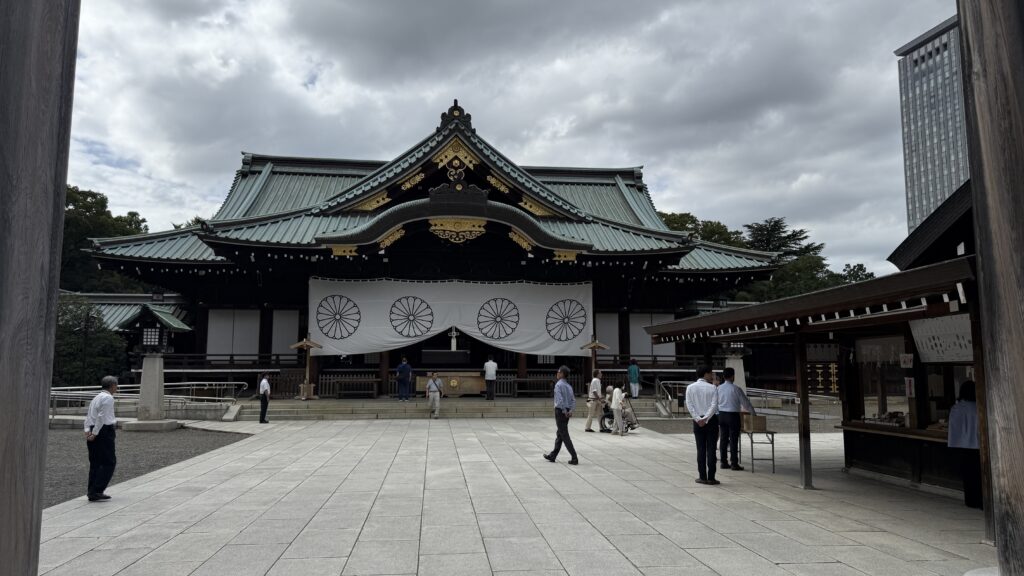
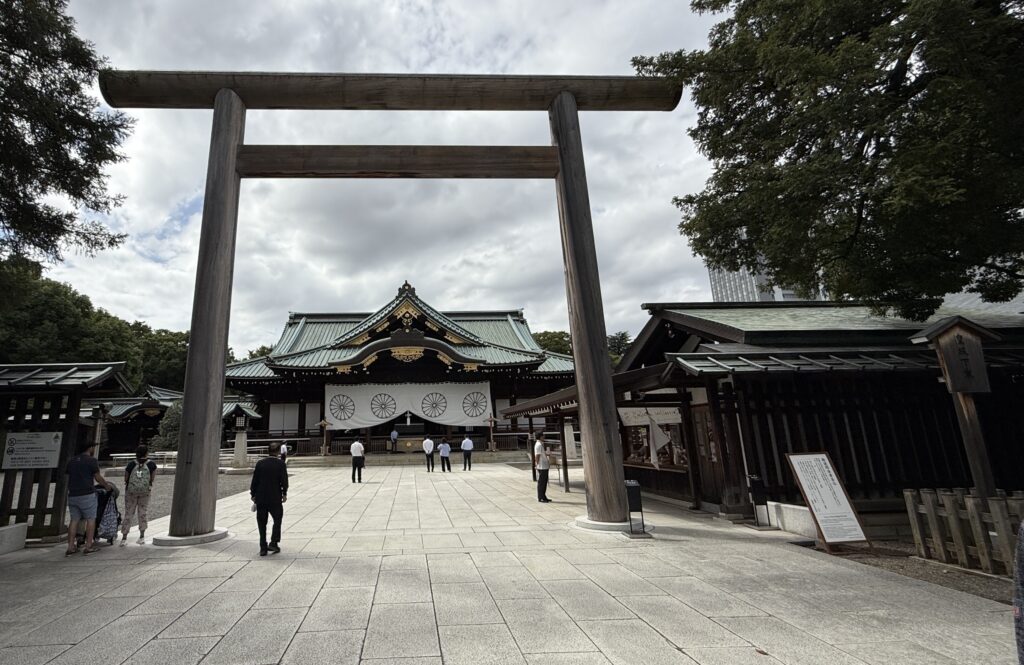
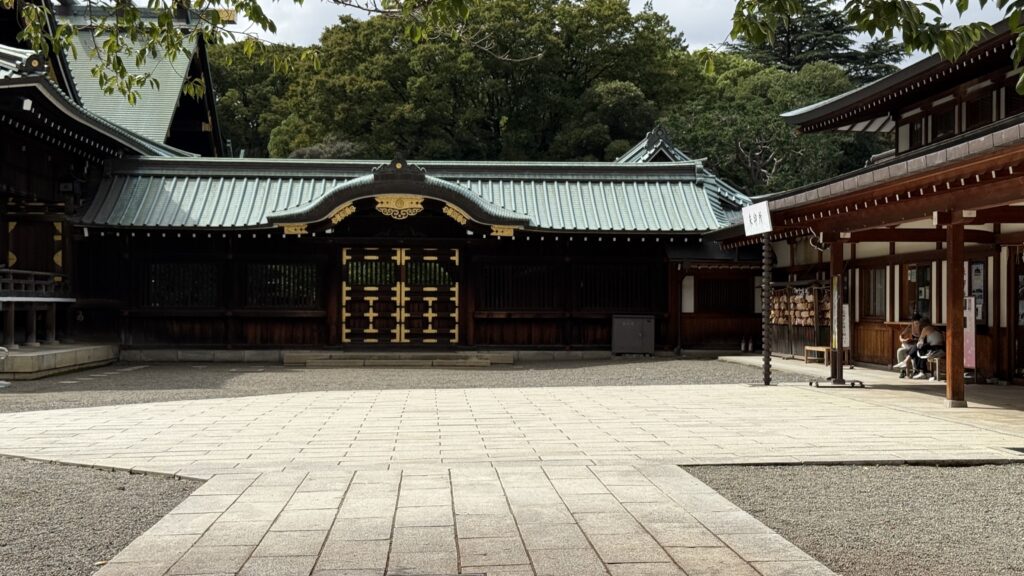
Controversies aside, Yasukuni Shrine is genuinely beautiful. The honden (main hall) is a classic piece of Shinto architecture (which I love exquisite architecture), with sloping tiled roofs, crisp wooden beams, and golden details that shimmer when the sunlight hits just right. Rituals here are very much alive—visitors bow at the gates, purify their hands and mouths at the chozuya (water basin), and offer prayers inside the hall.
If you’re lucky enough to visit during a festival, Yasukuni really comes to life. We traveled in the fall so this was something we didn’t experience. However, in summer, the Mitama Matsuri draws thousands of lanterns—over 30,000 of them—lining the approach to the shrine in a glowing sea of gold. It’s a sight that’s both mesmerizing and slightly surreal, like walking through a dream where history, spirituality, and modern Tokyo all blur together.
The Controversy Factor
Of course, we can’t talk about Yasukuni Shrine without addressing the elephant in the courtyard. Among the millions enshrined here are fourteen Class-A war criminals from World War II, including General Hideki Tojo. Their enshrinement in 1978 sparked outrage both in Japan and abroad, particularly in China and South Korea, who view official visits by Japanese politicians as acts of historical revisionism.
So, is Yasukuni Jinja a place of peace or a political lightning rod? Honestly, it’s both. For many Japanese people, it’s simply a site to honor ancestors and remember loved ones lost to war. For others, it symbolizes a more problematic approach to dealing with wartime memory. For travelers, it’s an opportunity to see how history continues to live in the present, and how a single place can carry multiple, sometimes conflicting meanings.
Visiting Today
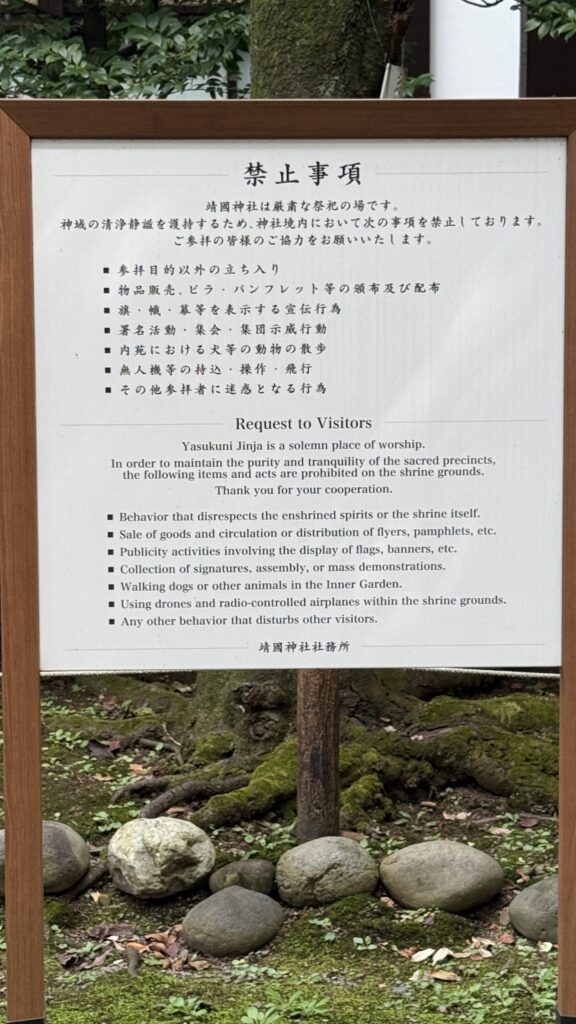
If you’re planning a visit, the shrine is open daily and free to enter. Although, the museum charges a small fee. Photography is welcome in most areas, but, as always with Shinto shrines, respect is key. This is still an active spiritual site. Don’t skip the souvenir shop. It sells all kinds of unique trinkets and such. They make good keepsakes & gifts.
Whether you’re drawn to Yasukuni for its architecture, its gardens, its festivals, or its complicated history, it offers an experience that’s richer than your average sightseeing stop. It’s a place that you should definitely visit if it’s your first time in Tokyo. It challenges you to think, to observe, and to understand that history is never as neat and tidy as guidebooks/history books would like us to believe.
My Final Note
Yasukuni Jinja Shrine is not your run-of-the-mill Tokyo attraction. It doesn’t serve up kawaii cuteness like Harajuku or futuristic sparkle like Shibuya Crossing. Instead, it offers something quieter, more layered, and perhaps more unsettling: a direct encounter with history and memory.
Visiting here isn’t about deciding who’s right or wrong—it’s about stepping into a space that embodies Japan’s struggles with its past and its hopes for peace. And yes, even with its controversies, it remains a deeply beautiful, spiritual place.
So if you find yourself in Tokyo with a free afternoon, wander over to Kudanshita, step through that first torii gate, and let Yasukuni Jinja unfold before you. You may leave with more questions than answers, but isn’t that the best kind of travel experience?
If you have a specific question about this post, please email me.
Have you ever walked into a business and your mouth just dropped? High-tech businesses with great concepts is the future and this innovative robot cafe is just that! DAWN Avatar Robot Cafe in Tokyo, Japan employs disabled people to be the faces behind the robots. …
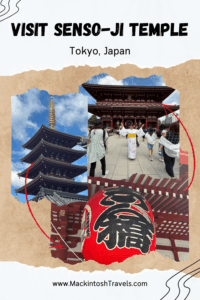
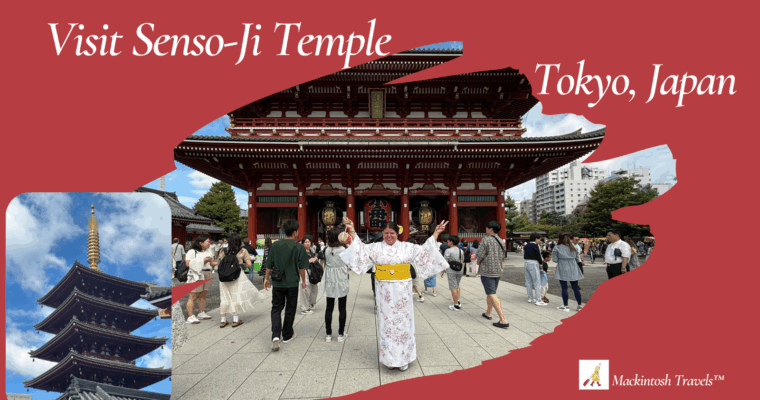
Senso-Ji Temple is Tokyo’s most famous and oldest temple that tourists visit. If this is your first time in Tokyo, I highly recommend a visit. In association with the 7th century, this period is known as the Edo period. You can hop off the Tokyo …
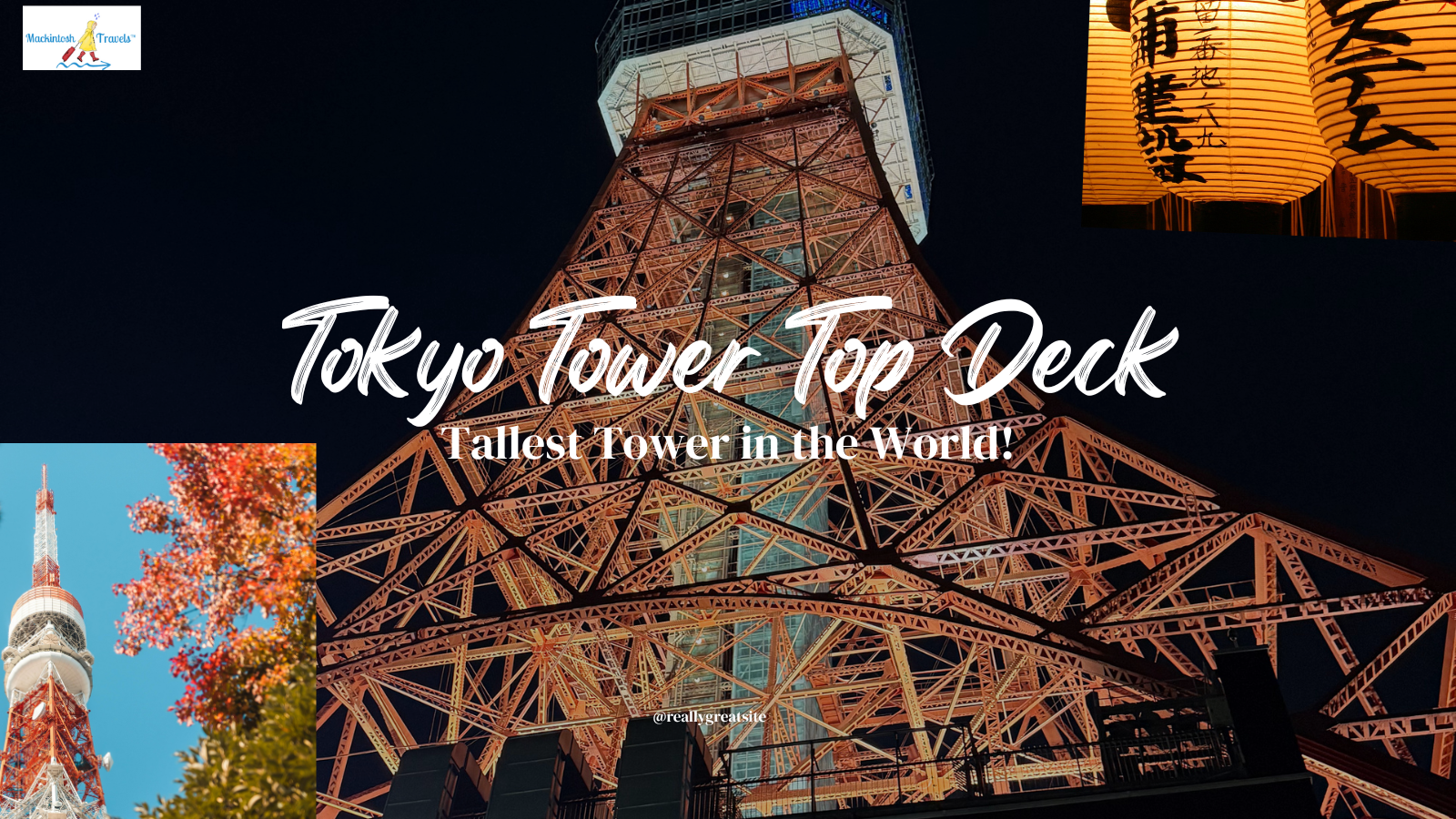
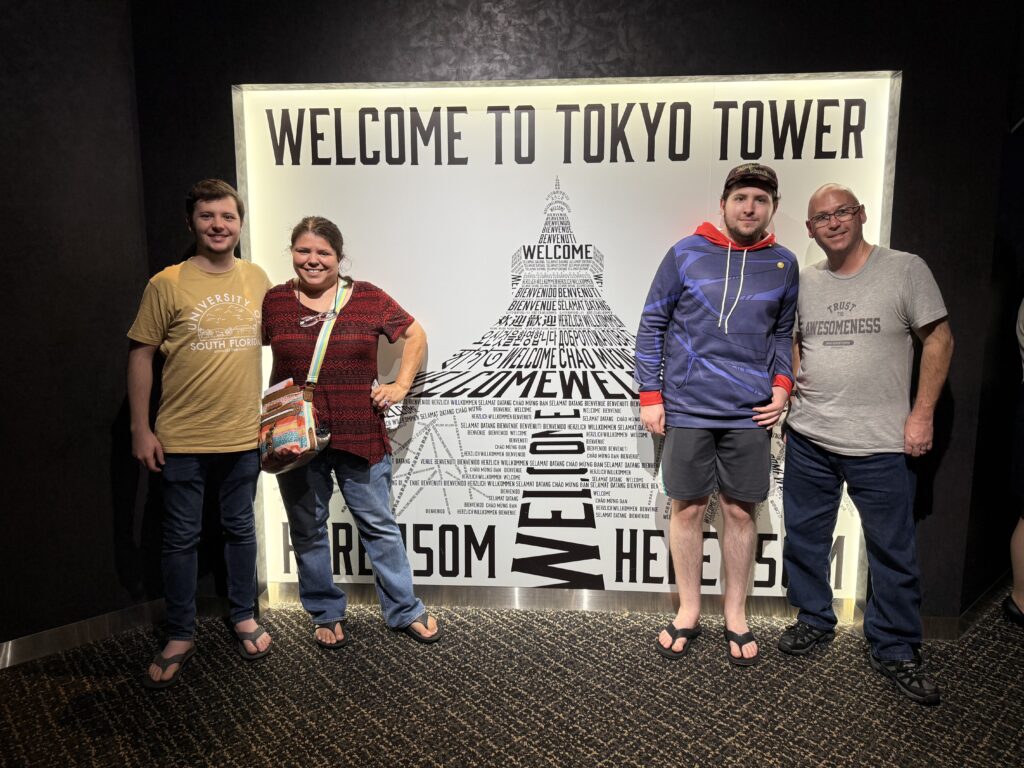
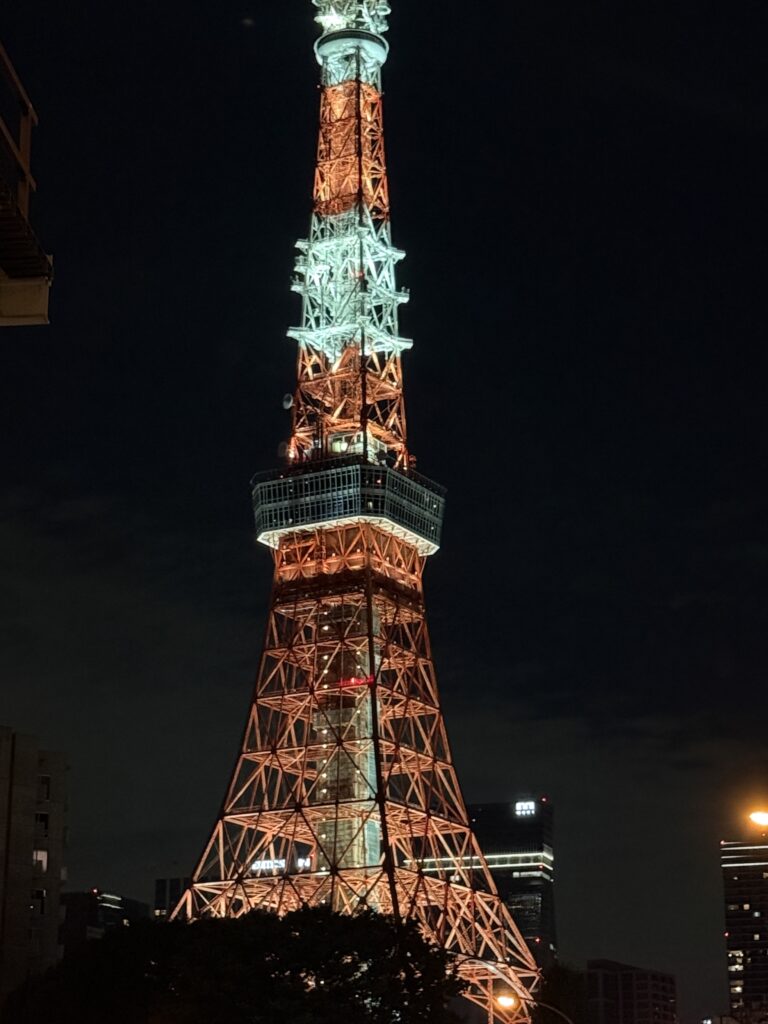
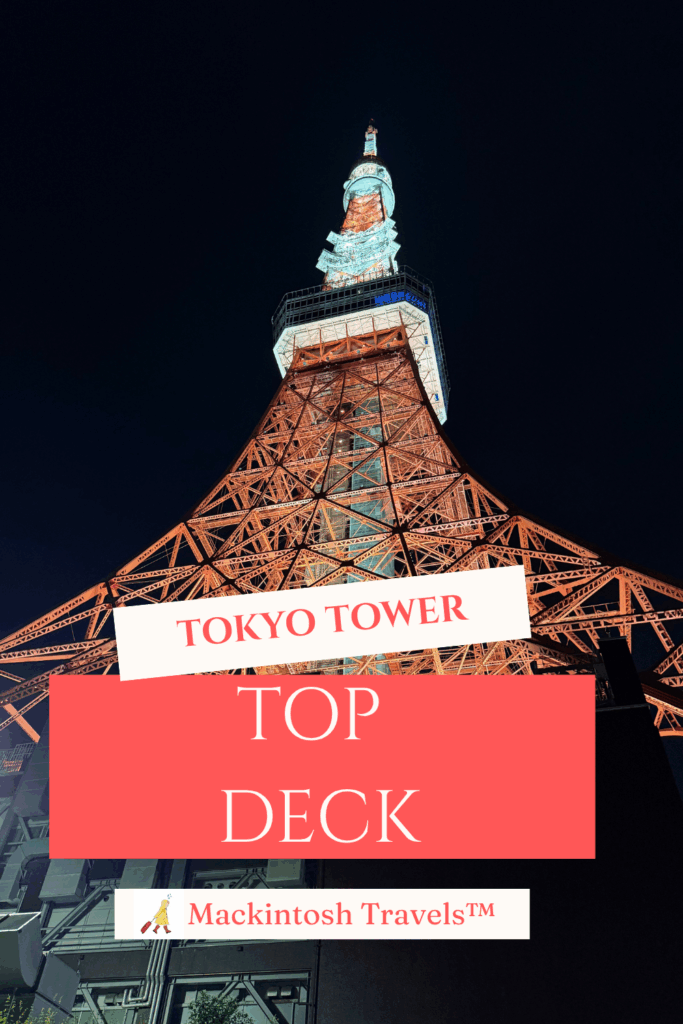
A visit to Tokyo Tower is a must if you’re visiting Tokyo for the first time. It resembles the Eiffel Tower in which you can visit the observation decks. However, Tokyo Tower is the tallest tower in the world making it a popular tourist spot! This tower is 333 meters tall and the Eiffel Tower is 330 meters tall. Where you’ll want to visit is precisely the Tokyo Tower Top Deck!
Tokyo Tower has two floors, the main deck and the top deck. The main deck is 150 meters up and the top deck is 250 meters. In my opinion, if you’ve never experienced Tokyo Tower, you should purchase the top deck tour ticket at least once. You can only do this with a reservation and it will be cheaper if you purchase online. Purchasing the top deck tour will get you entry into both floors. It runs about $22.00 per adult with cheaper tickets for children and people with disabilities.
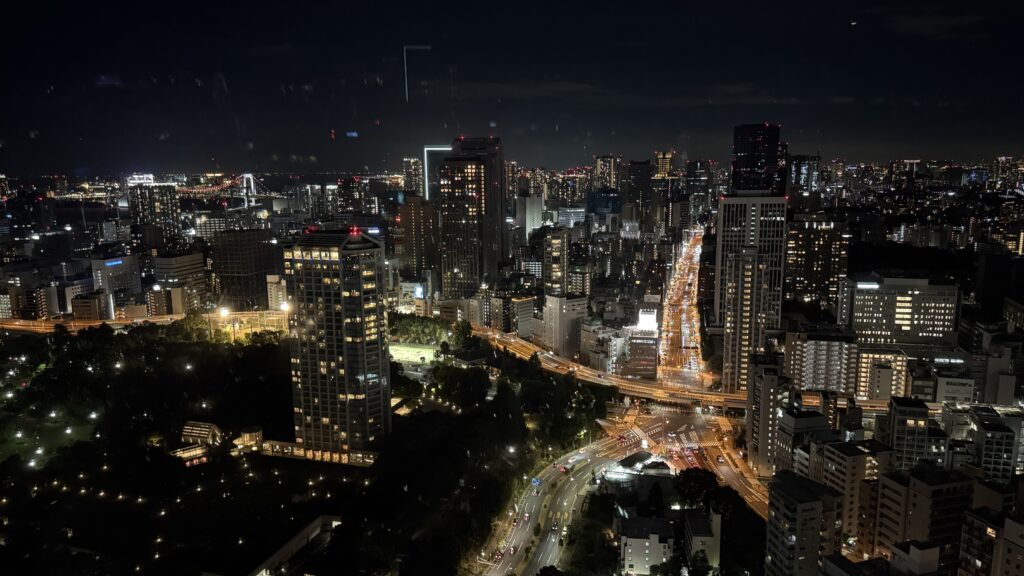
You can get a 360° panoramic view from visiting the observation deck. Make sure you purchase tickets for the Tokyo Tower Top Deck Tour ahead of time for this experience.
We visited in the fall so we were able to see an entire Halloween show that projected onto the windows of the top deck. It was fascinating!
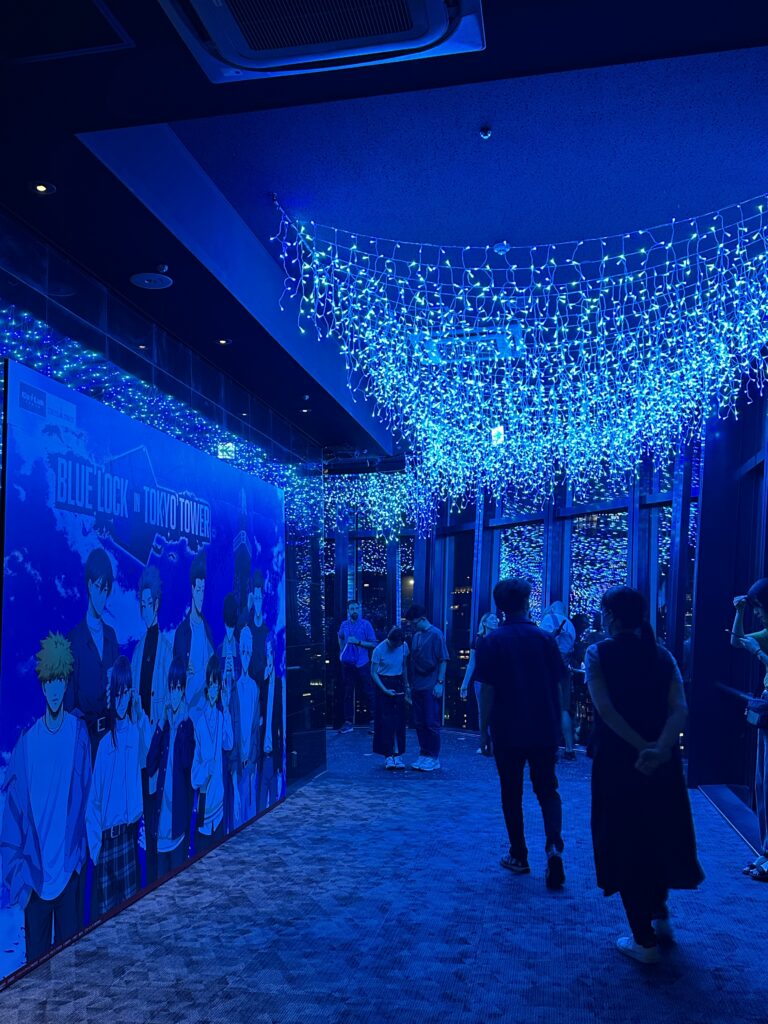
At the top you will see screens with K-Pop, lights, and there are also stations where you can get your stamp book stamped. If you don’t know, you can purchase a stamp book for a collection of Eki stamps & other popular landmarks as a travel notebook for your memories. The “Essence of Japan” is the one I purchased before our trip.
At the main deck you will see a double thick paned glass on the floor where you can step on and see all the way down. There is also a souvenir shop and a cafe on this deck.
Heading down on the elevator.
At the base of the tower, known as Foot Town, you will see more shops, restaurants, and interactive games.
As I mentioned before, a visit to Tokyo Tower is a must if you’re visiting Tokyo for the first time. And make sure you take the top deck tour. The views are stunning. This was our first stop in Japan and we got a great introduction of Tokyo from the top. You will love it!
If you have a specific question about this post, please email me.
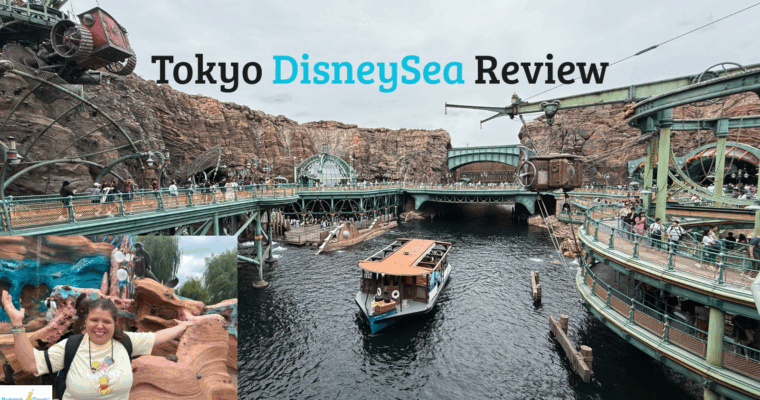
If you’re a Disney fan and contemplating whether to visit Tokyo DisneySea because you think it’s similar to Tokyo Disneyland or any other Disney park you’ve been to, you’re wrong. Tokyo DisneySea is like no other theme park I’ve ever been to. That’s saying a …
Here We Go! I am here to provide you some first time Japan travel tips based on our family experience. We hope you enjoy your vacation like we did! Our adventure started at the end of September. We left our quiet home in Florida to …
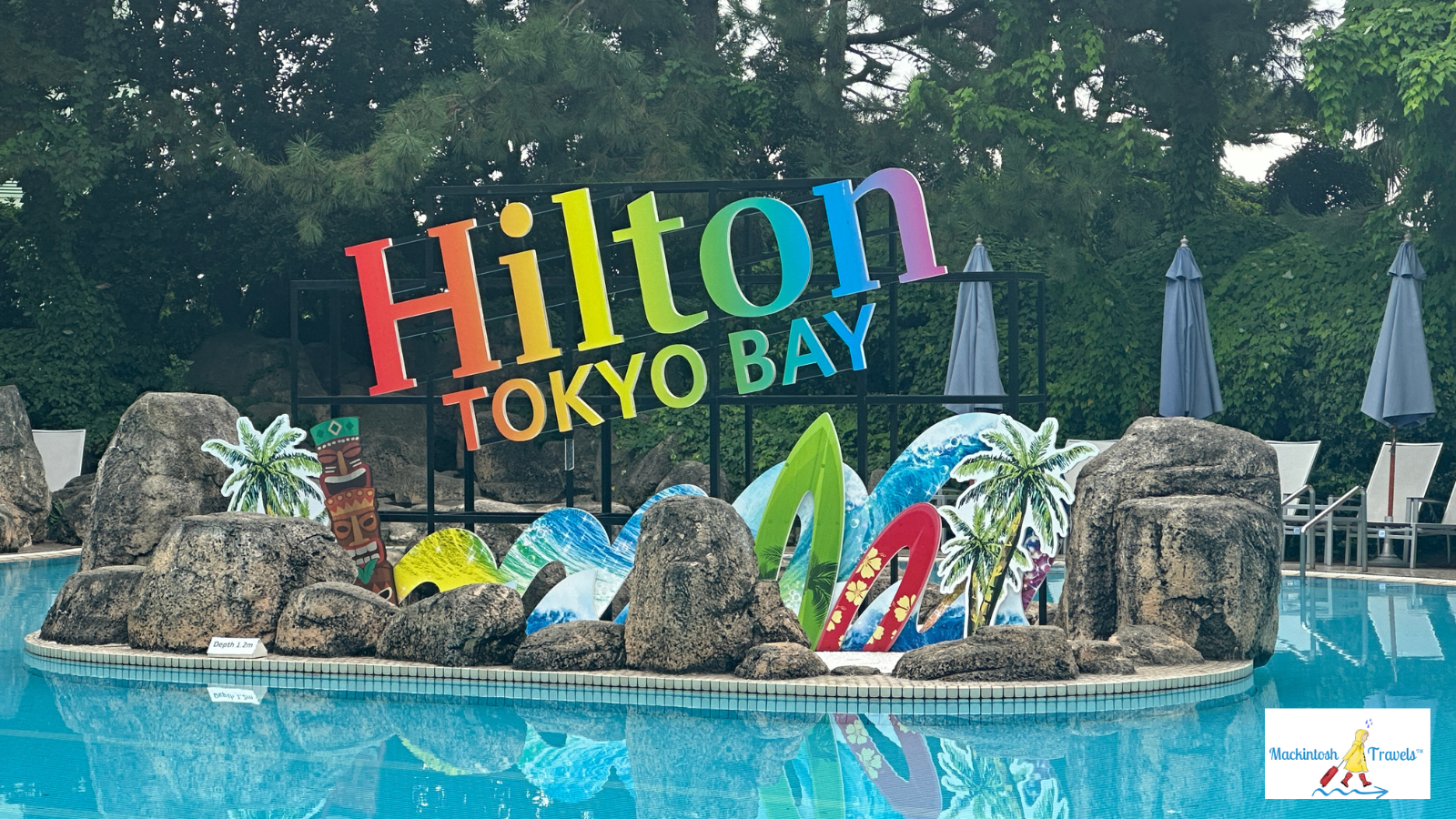
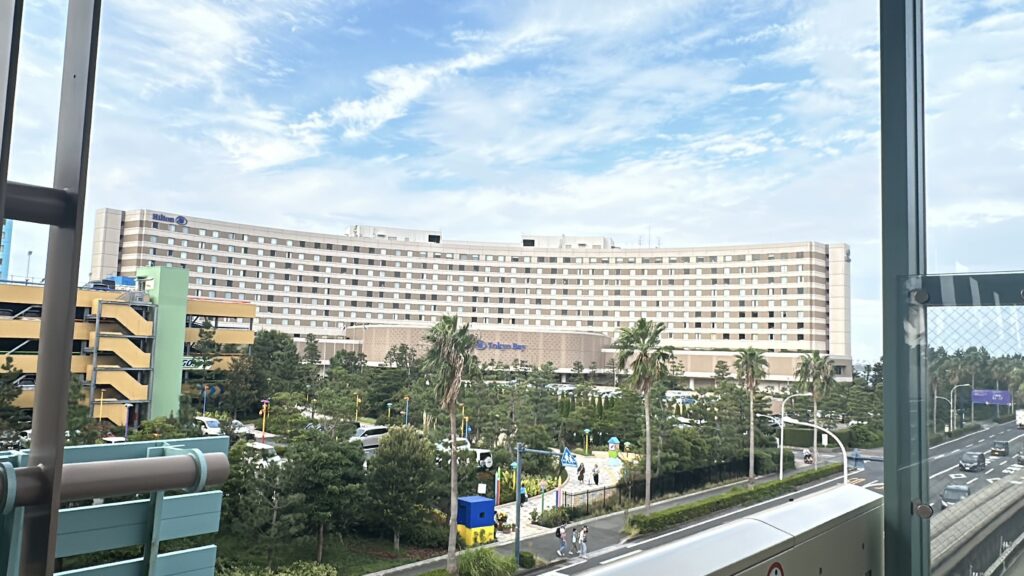
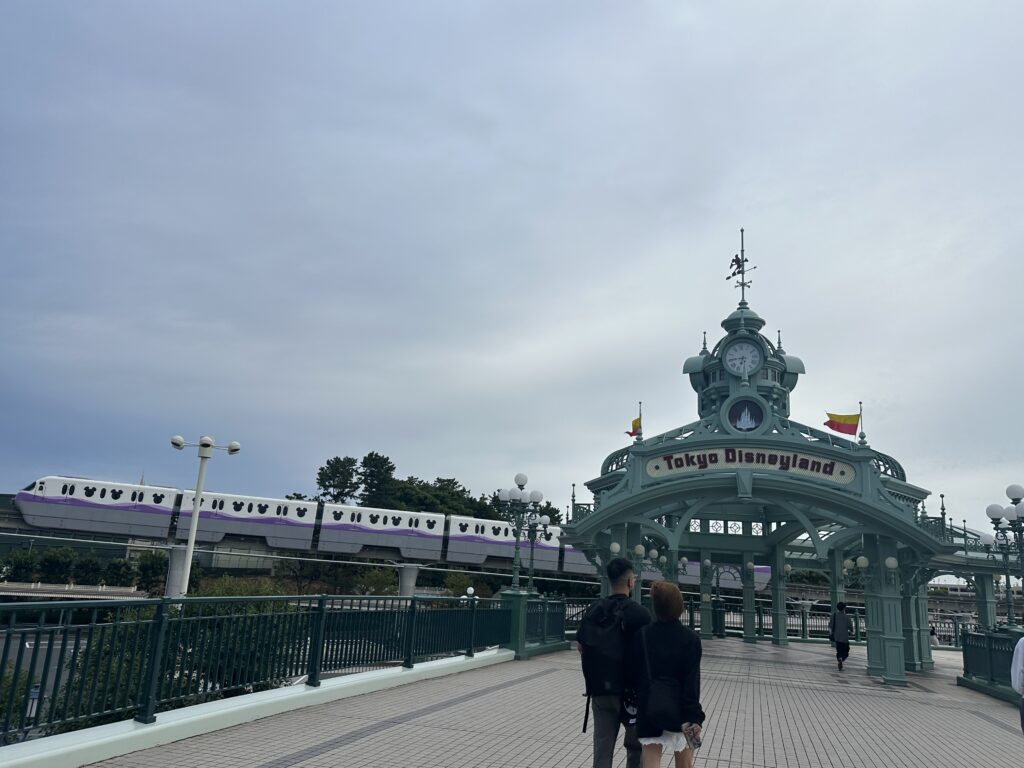
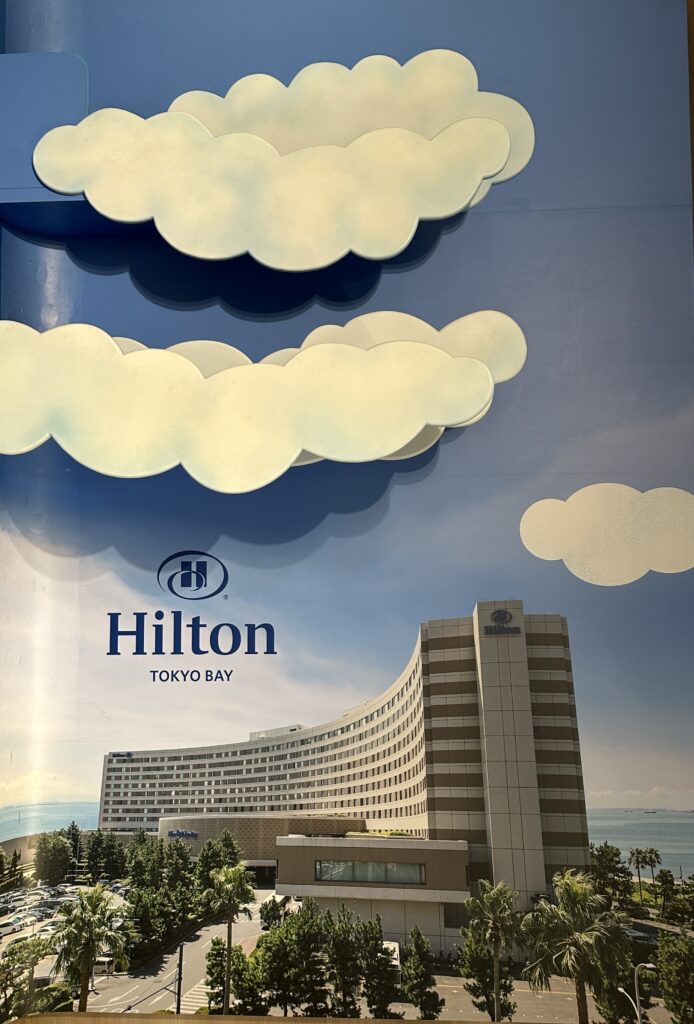
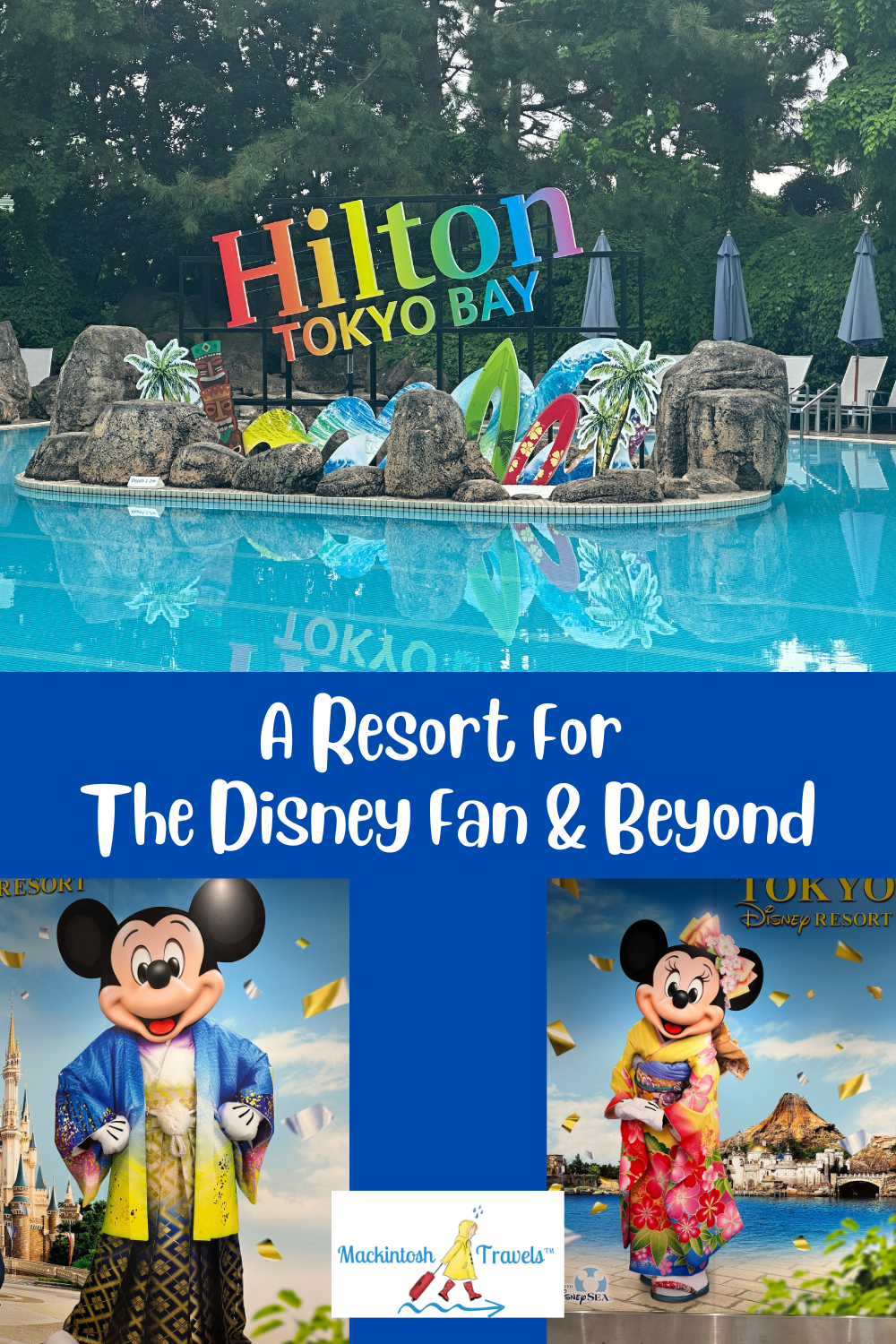
Hilton Tokyo Bay is a beautiful & wonderfully located unofficial Disney resort located only a shuttle away from Tokyo Disneyland. That is one of the main reasons why we decided to stay here because we are huge Disney fans. In addition, it’s easy access via the subway system into central Tokyo for sightseeing. We always research reviews prior to booking any place, so we also did our due diligence and found that many people were very satisfied with Hilton Tokyo Bay. That gave us great confidence to book.
Now that I’ve mentioned why we chose this resort, let me show you why we loved our stay!
First Impression of Hilton Tokyo Bay
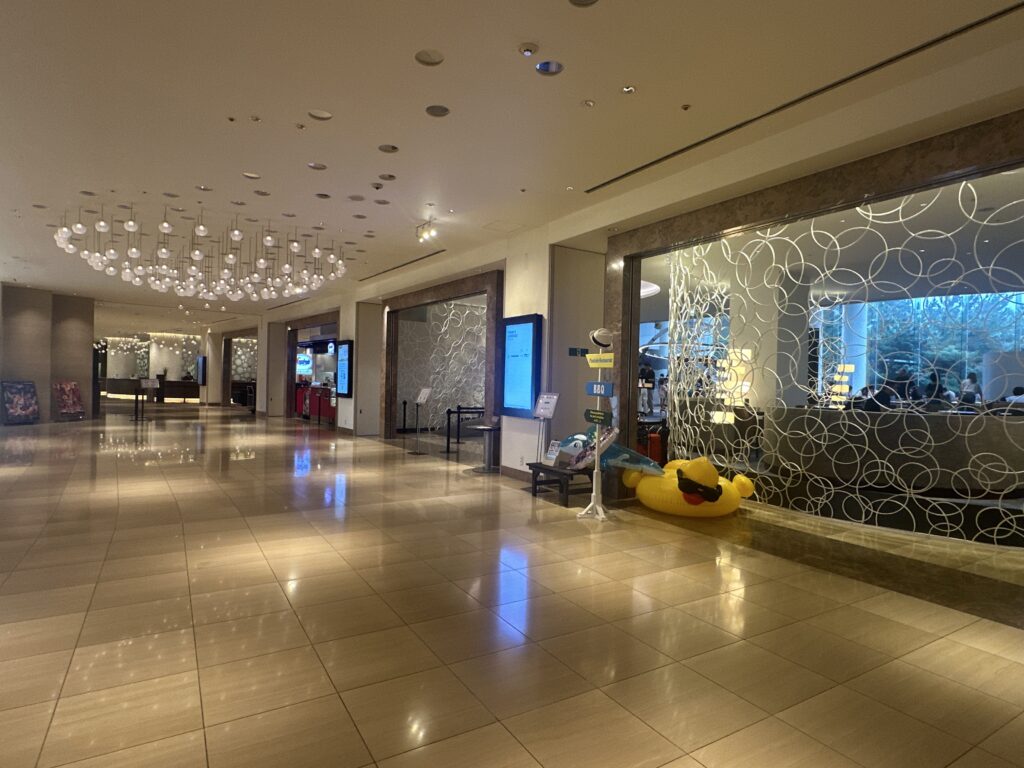
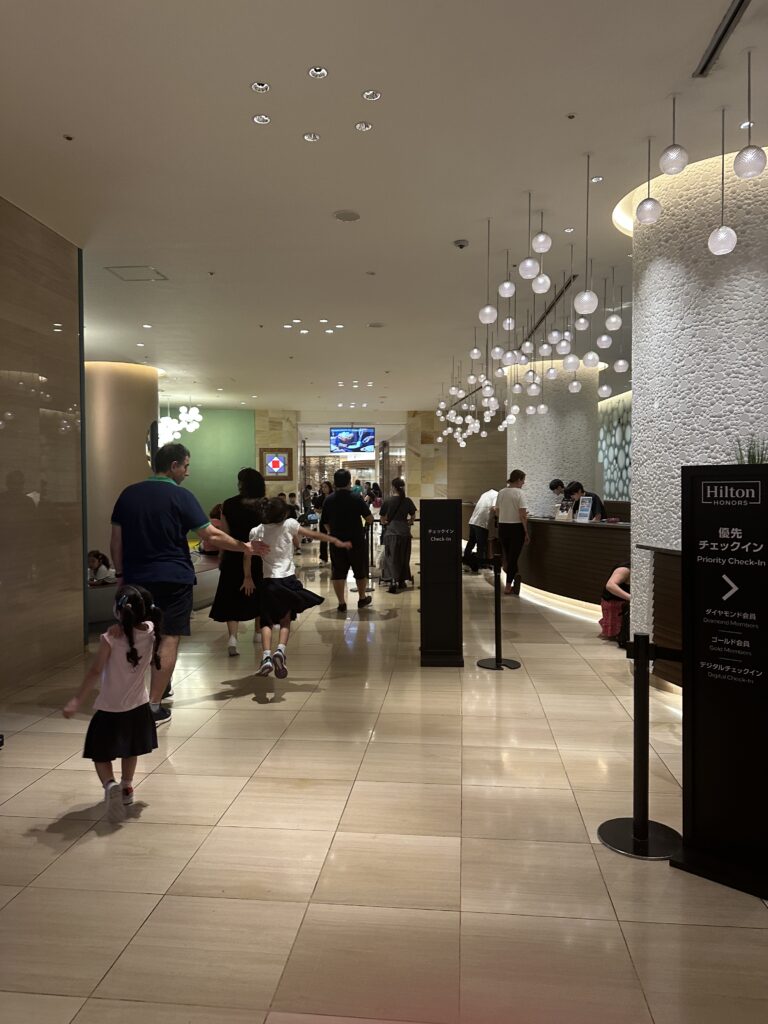
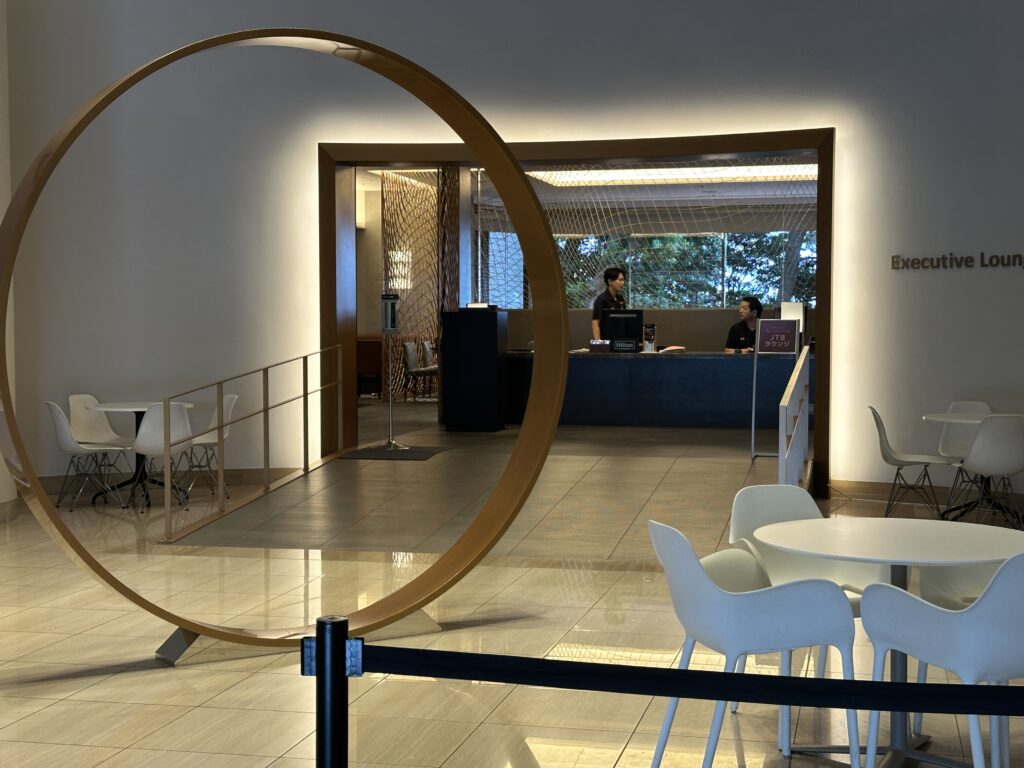
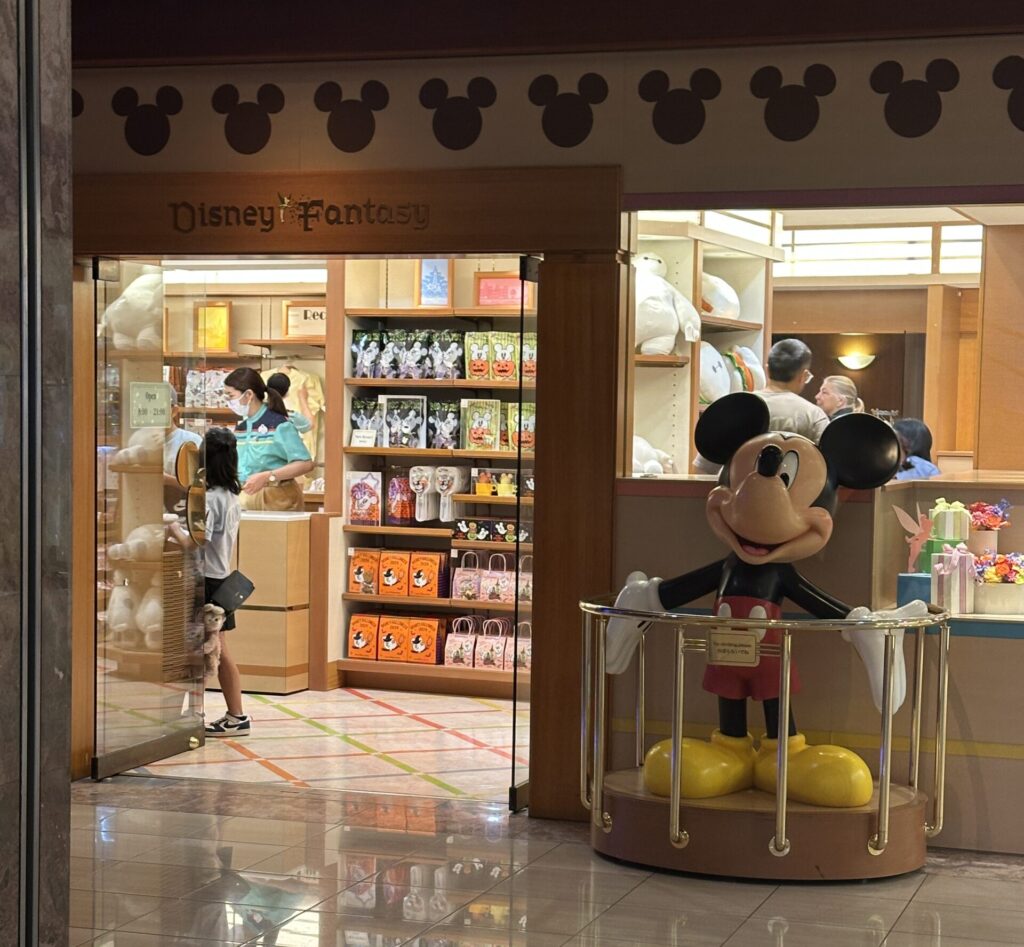
It always starts with first impressions, right? Well, this was no different. As we walk in we see the lobby area and it is gorgeous! To our right is a Disney store! The prices were comparable to inside the parks, but it makes it very convenient for last minute souvenirs.
Our Rooms
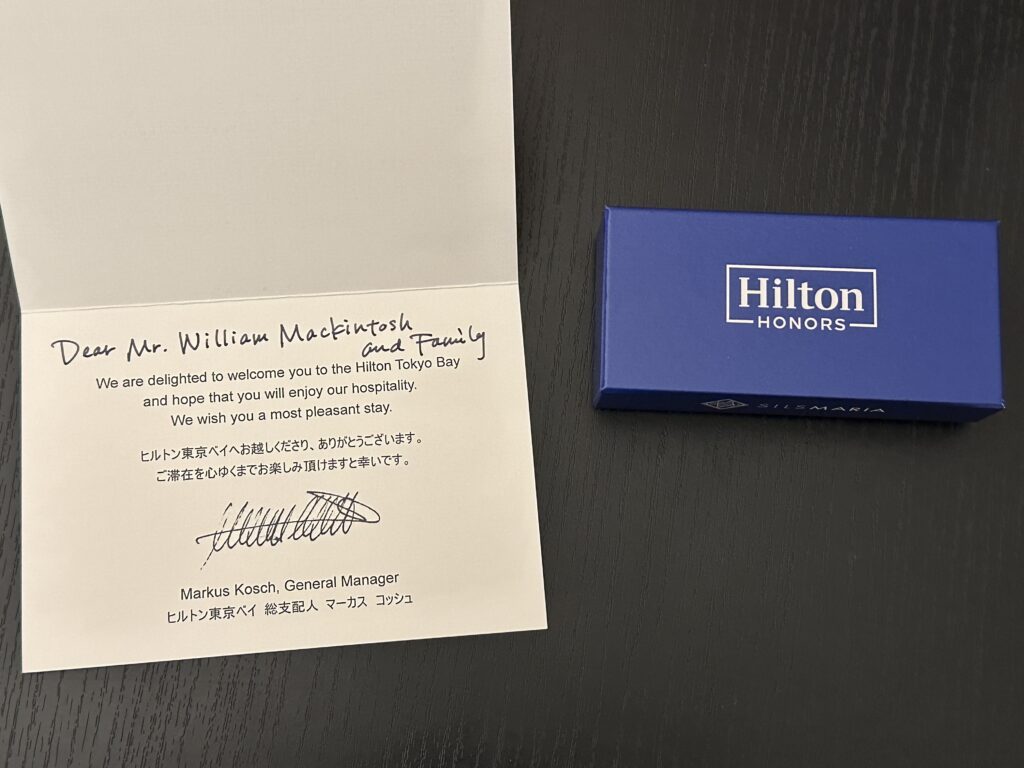
As we go to our rooms, we booked two adjoining rooms but I only took video of our room not our sons in which they had two twin beds in theirs, we were pleasantly surprised by the nice welcome note and chocolates.
In dropping off our luggage in our rooms, I noticed how clean the rooms were. That is something I always look for first when entering hotel rooms. Overall, Japan is an extremely clean & respectful country. I will speak of that more in upcoming posts about our adventure in Japan! There were some cool features that we had never seen before, but were told about prior to our trip, specifically the many toilet buttons.
Ambiance lighting for tub relaxation.
The View
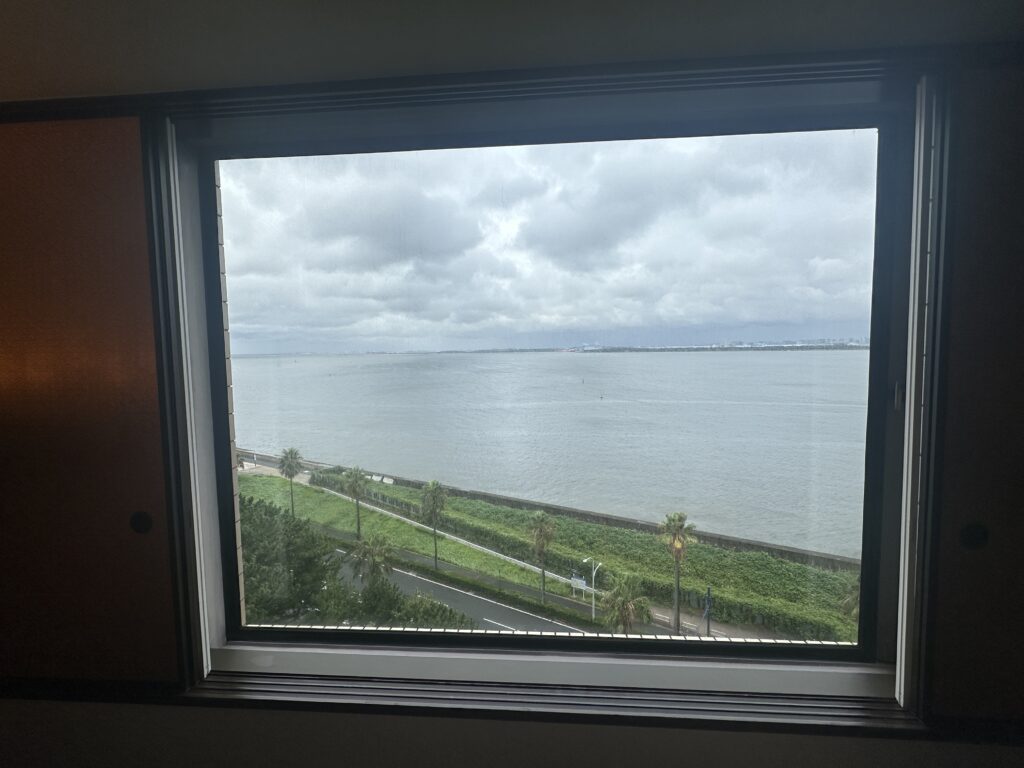
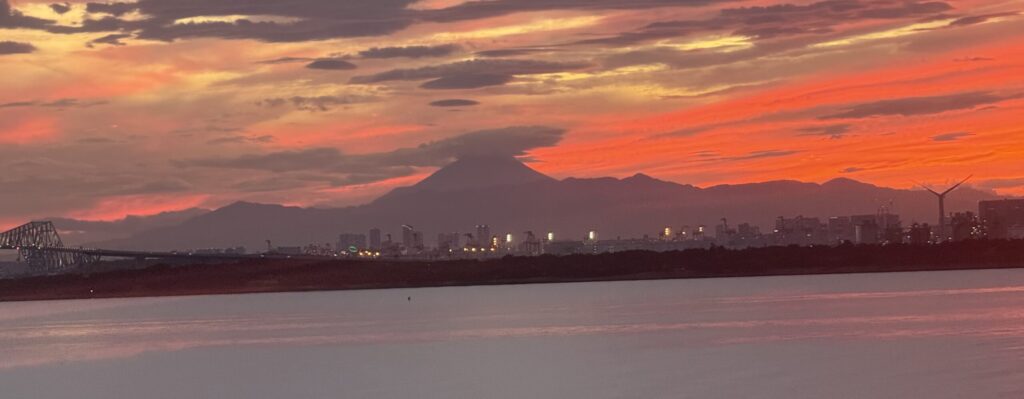
The view from our rooms were fantastic! There were some cloudy days, but that didn’t diminish the beauty of this resort’s location. We could see Mt. Fuji from our rooms!
View of Mt. Fuji from our rooms.
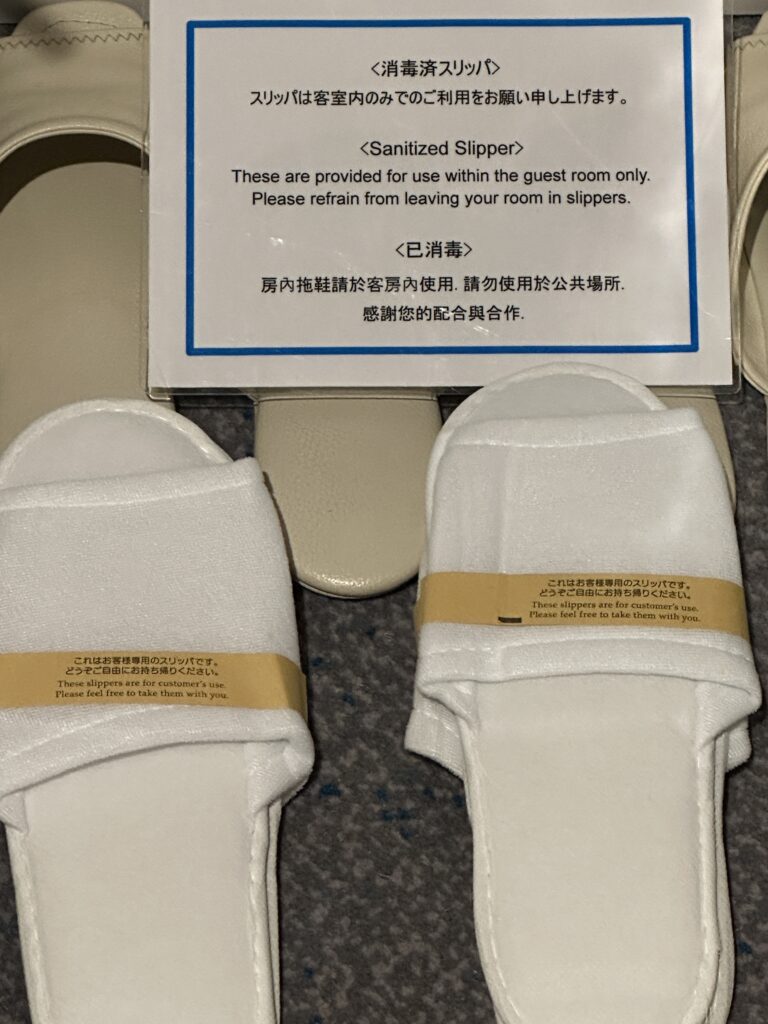
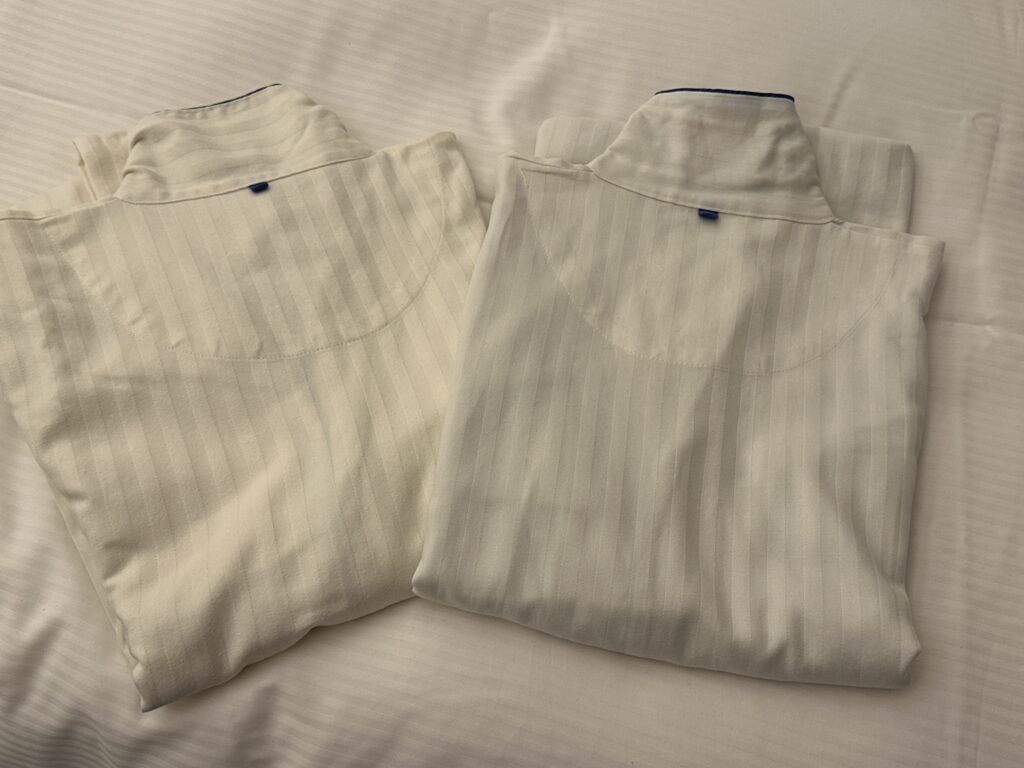
Our rooms also came with complimentary use of pajamas & slippers. How comfy!
More to Offer
As we head down to check out the rest of what Hilton Tokyo Bay has to offer, we came across some wedding information. Did you know that they can cater to every part of your wedding? How romantic!
Video from the 8th floor where our rooms are to the lobby.
Hilton Tokyo Bay also provides a laundry room making it even better for you because you can pack a lot less. Just make sure you get the proper change from the lobby. A vending machine is there as well. However, I did find that the dryers were only capable of holding a very small load (like 3 pairs of jeans or 5 shirts) in order to dry thoroughly the first time.
I woke up very early in the morning one day to explore the pool area. No one was there yet and it was quiet. I found the pool area nice, but small. I think I found it small because I’m so used to the huge pool areas in Orlando. Japan has limited space, but they make the best of it.
The Food at Hilton Tokyo Bay
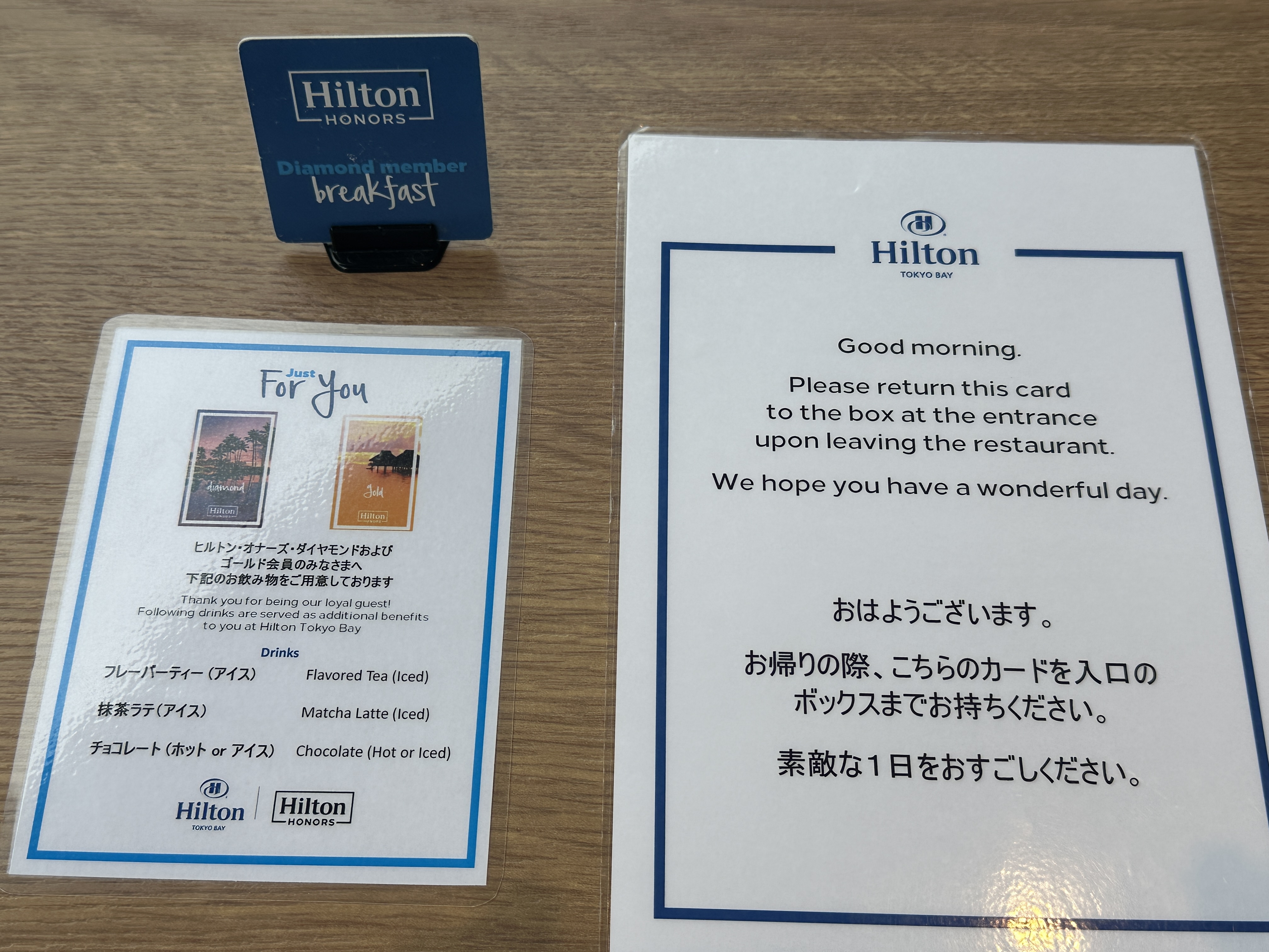
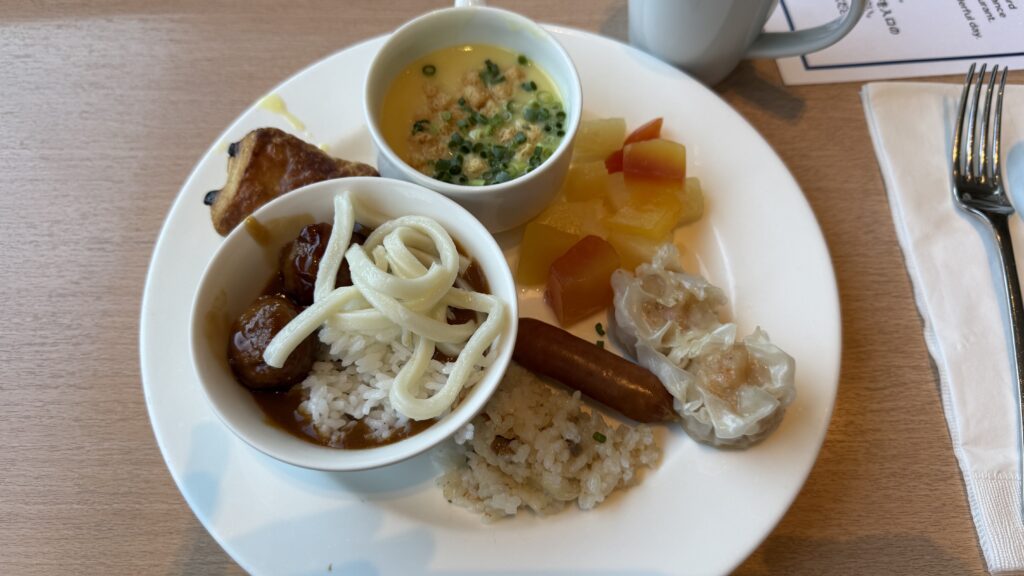
Now, let’s talk about the restaurants and food at Hilton Tokyo Bay. This was my favorite part because I’m such a foodie! The resort has 2 areas for breakfast buffet, among other specialty restaurants, and they both served the same things. Our favorite was the Forest Garden.
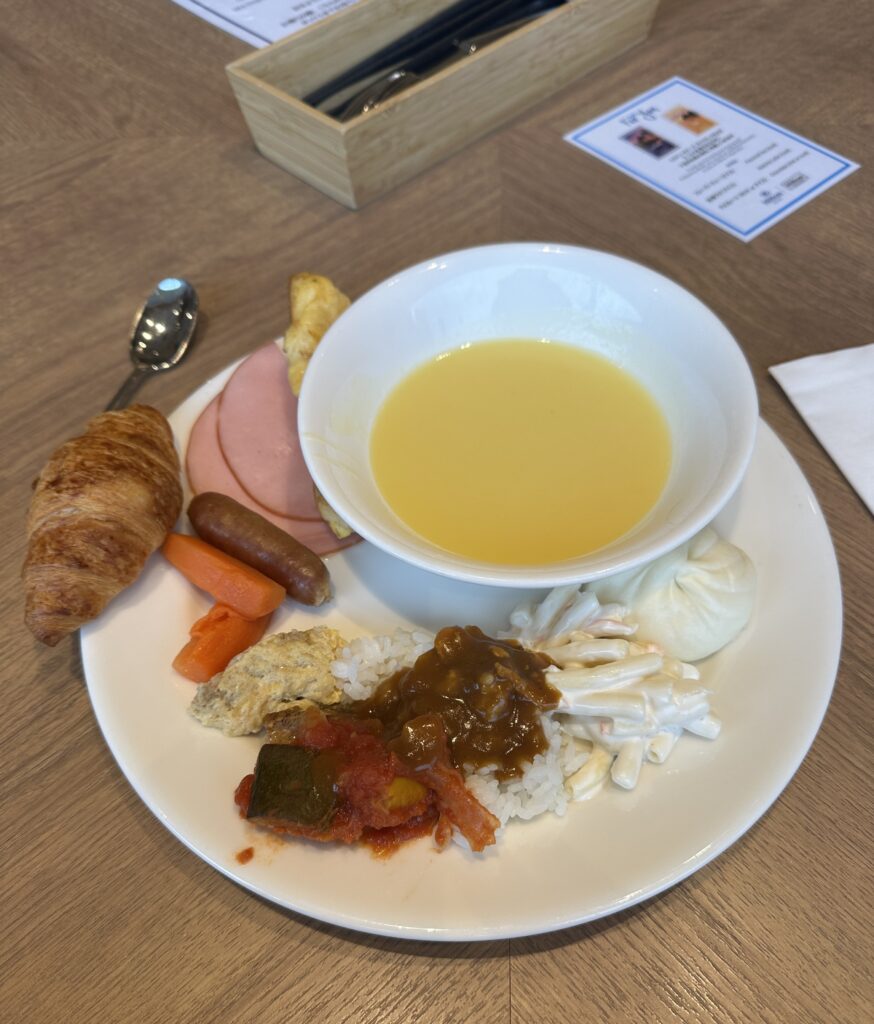
My favorite dish was the corn soup. It was outstanding!!! I had never tasted anything like this and if I could have taken some home, I would have. I went as far as trying to replicate an authentic recipe I found online, but it didn’t even come close. If you see this on the menu or breakfast buffet while at Hilton Tokyo Bay, you must try it!
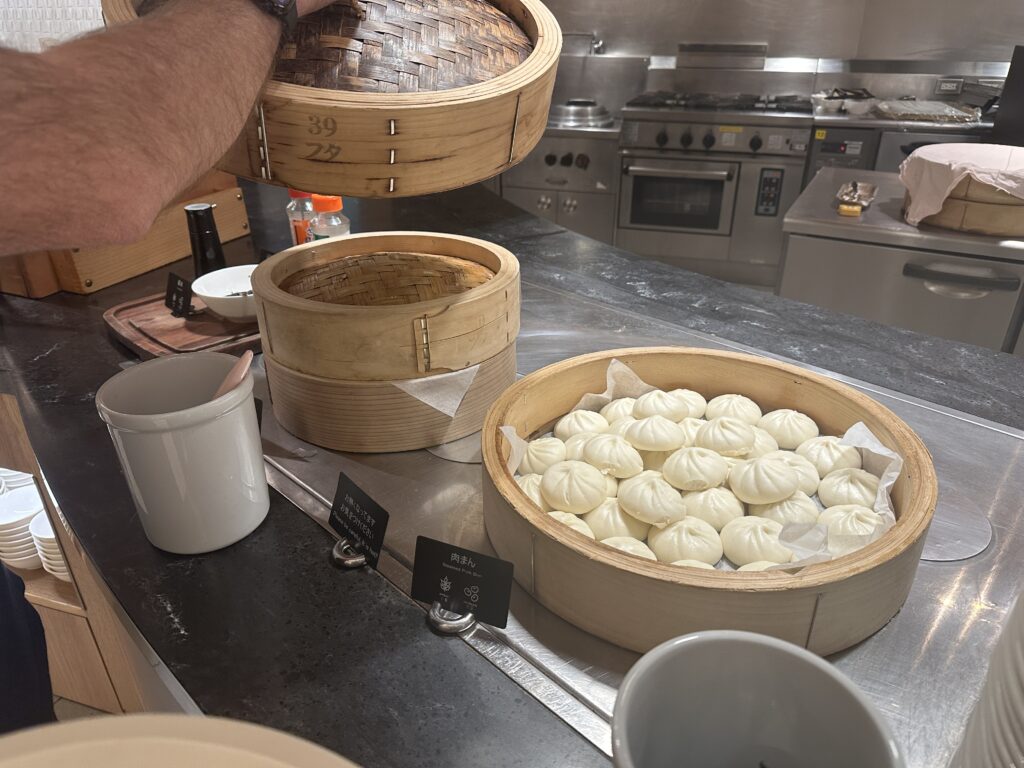
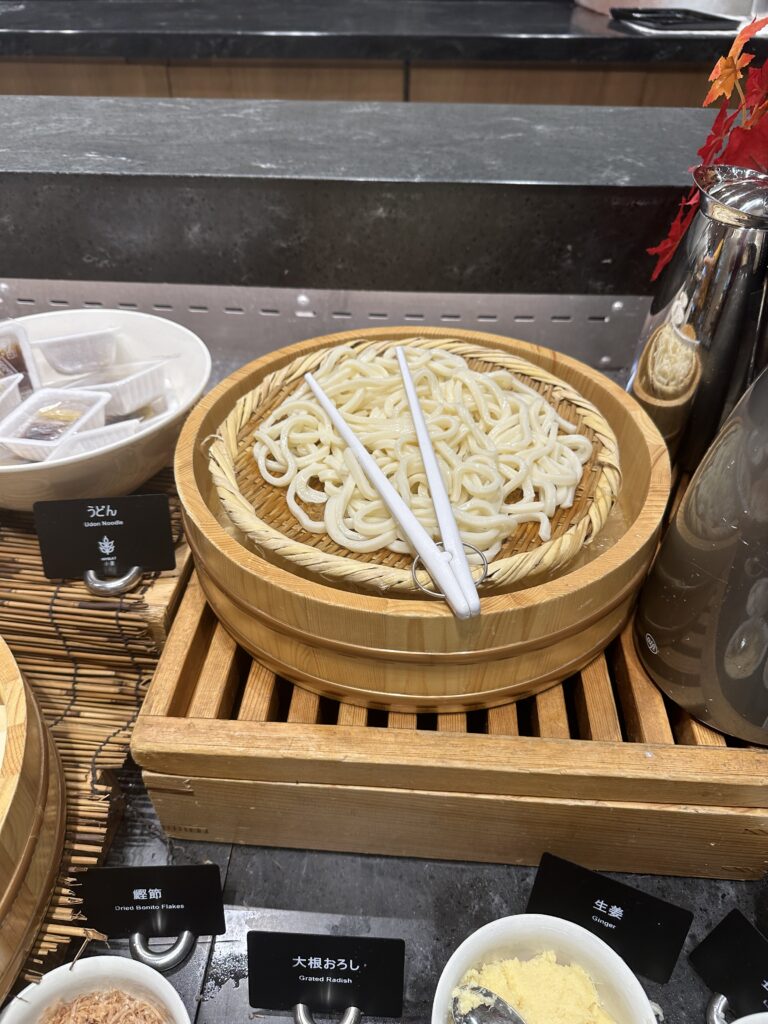
THIS is breakfast! So good! There were a lot more options to choose that I never see on a typical breakfast buffet, but venture out and try it!These steamed pork buns were amazing!!! They may look bland, but so far from it!Another day at the breakfast buffet. That corn soup though! YUM! Here I added chives, green onions, and some bread bits. Absolutely delicious!
Food Allergies at Hilton Tokyo Bay & Beyond
One other thing I loved about their breakfast buffet is that if the food has one of the main 7 allergens recognized in Japan, they will make it known. It’s not cross contamination friendly, but it will be listed if the actual food is made with it. This is true in many restaurants in Japan, specifically Tokyo. If it is not made known to you while traveling to restaurants in Japan, make sure you have a translated copy of the allergies you have and show it to your host/waiter BEFORE you order.
Just be aware that they may or may not be able to cater to you. Japan mainly does not have an food allergen problem, but they have catered to many tourists throughout the years and have been very good at trying their best to accommodate many who do have food allergens. One of our sons is gluten intolerant, so we made it a point to bring our own foods/snack from the U.S., just in case.
The 7 main food allergens recognized in Japan are: egg, milk, wheat, peanut, buckwheat, shrimp, and crab.
I hope you enjoyed reading about our experience at Hilton Tokyo Bay located at 1-8 Maihama, Urayasu, Chiba 279-0031, Japan. Check out everything they have to offer and we hope you enjoy your stay! Stay tuned for more articles coming soon of our Japan family adventure!
If you have a specific question about this post, please email me.
My goal is always to inspire others to get out and travel. It’s always fun to visit new places and experience different things. Road trips are great because you can go at your own pace, stop anywhere you want, and eat at local mom-n-pop restaurants. …