Exploring Kyoto’s Cultural Treasures
Kyoto completely stole our hearts. With its breathtaking scenery, rich history, and unforgettable atmosphere, it felt like stepping into another world. On our family day trip, we explored Kyoto’s cultural treasures with four amazing attractions that showcased different sides of this remarkable city. We’re sharing our experiences, what we loved, and some practical information to help you decide whether these spots deserve a place on your Kyoto itinerary. There were three destinations that we didn’t have time to visit, but they would be worth visiting. Those are the 100 year old building in Kyoto that was turned into a Starbucks, Fushimi Inari Shrine, and the Mario Kart underground.

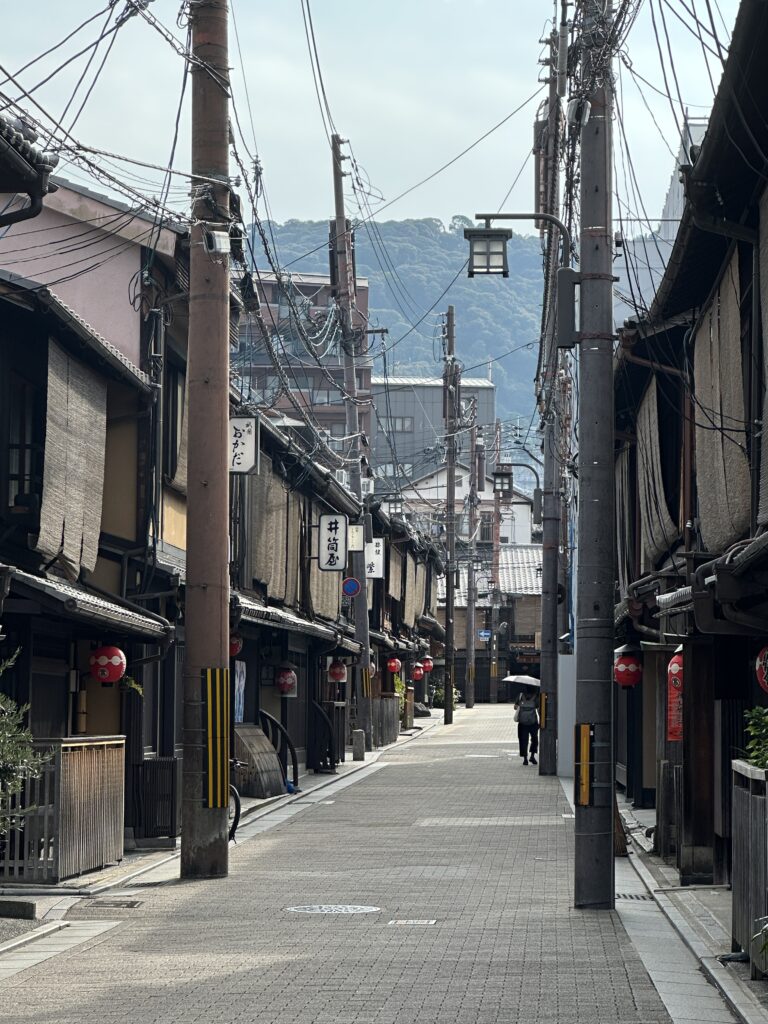
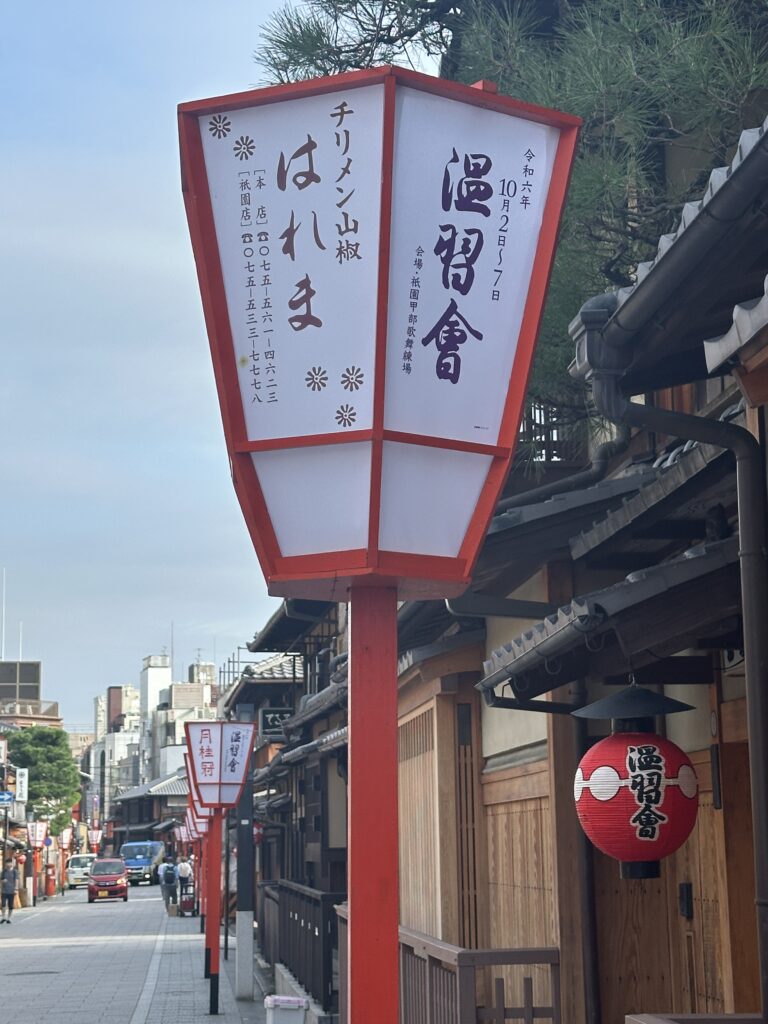
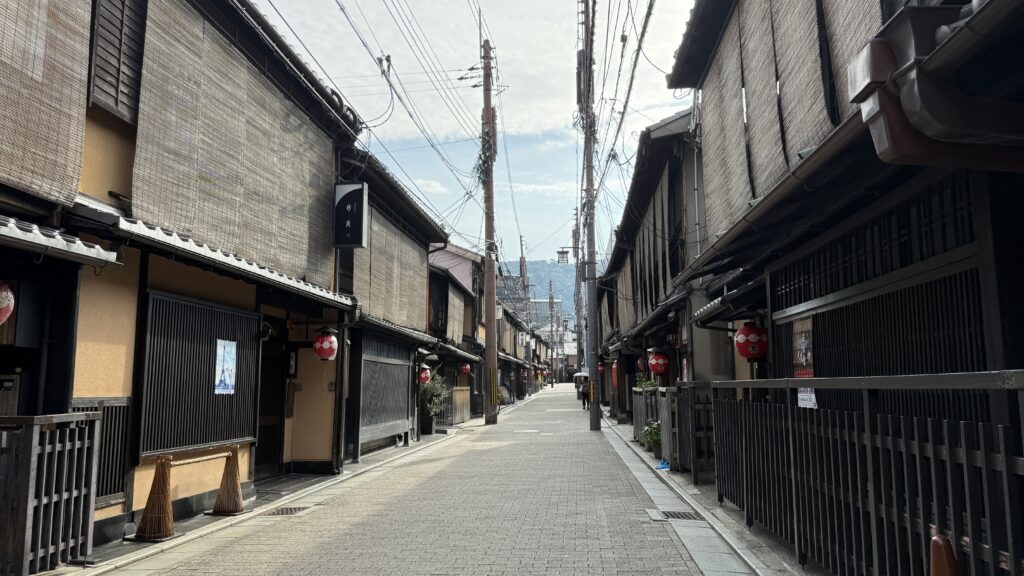
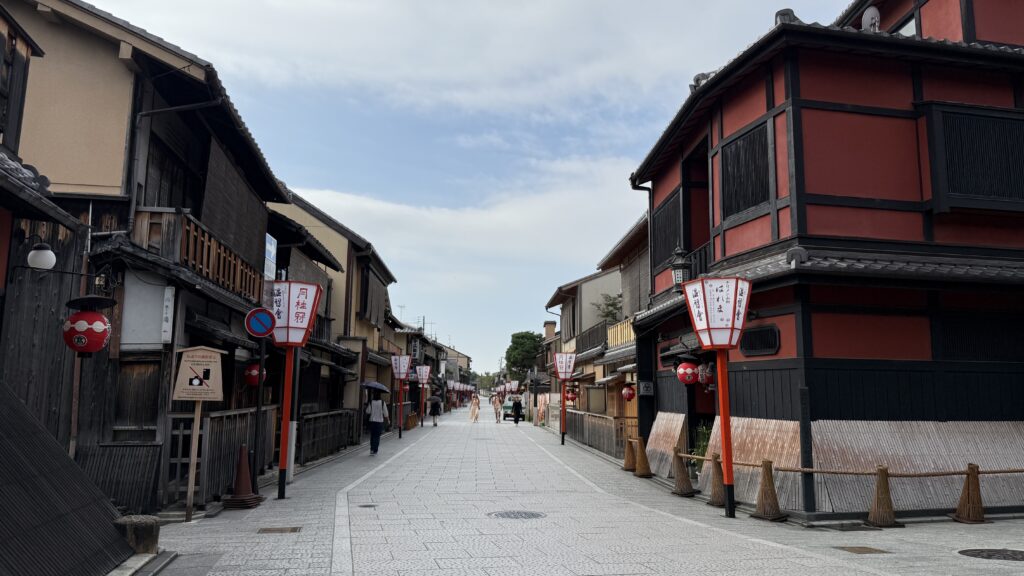
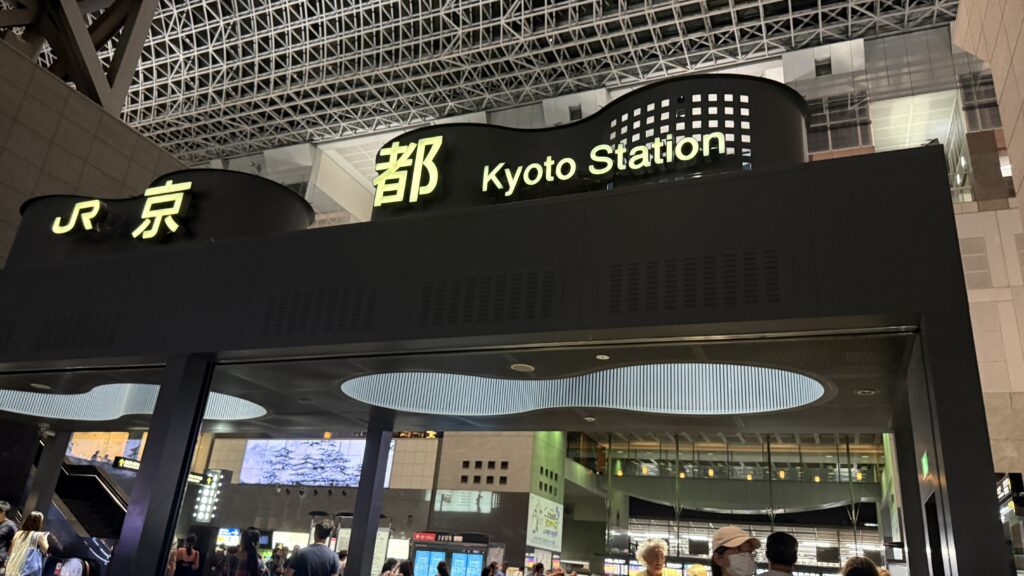

Kyoto, Japan’s ancient capital, is a city where centuries-old traditions coexist harmoniously with modern attractions. Known for its exquisite temples, historic districts, seasonal beauty, and cultural heritage, Kyoto offers visitors an unforgettable journey through Japan’s past and present. While many travelers come to experience the city’s famous shrines, gardens, and tea houses, Kyoto also surprises visitors with attractions that celebrate contemporary Japanese culture and entertainment.
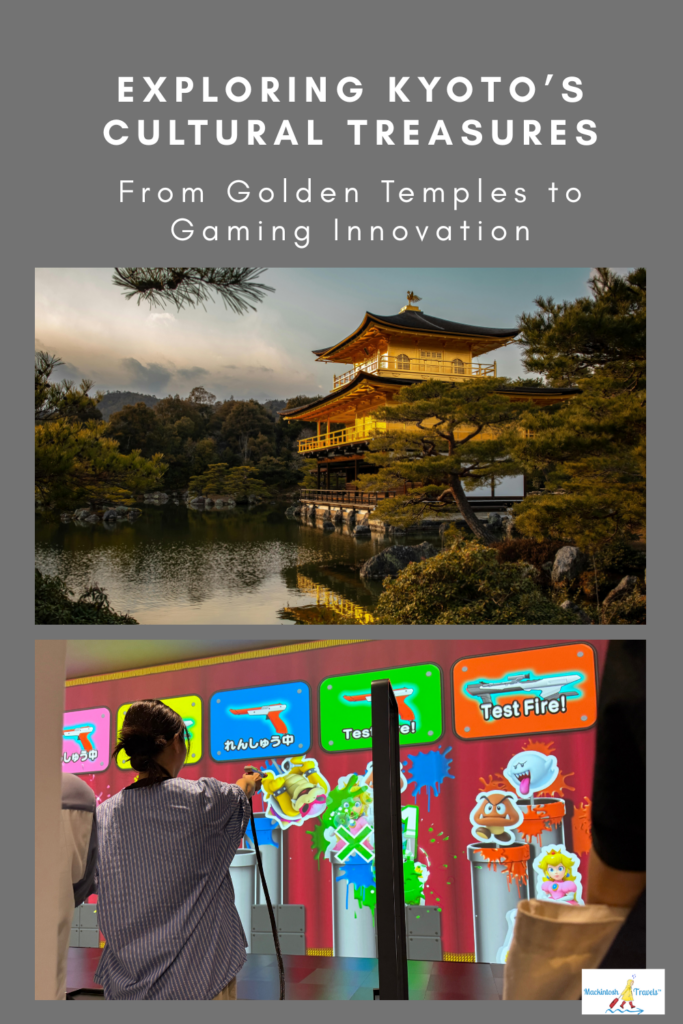
Among the city’s most fascinating destinations are Kinkaku-ji Temple, Nijo Castle, the Nintendo Museum, and Toei Kyoto Studio Park. Together, these attractions showcase the remarkable diversity of Kyoto. From the shimmering reflection of a golden temple on a tranquil pond to the halls of a former shogun’s residence, from the history of one of the world’s most influential gaming companies to the excitement of a Japanese movie set, each destination offers a unique perspective on Japan.
Let’s explore why these four are must-visit attractions and why they deserve a place on every Kyoto itinerary.
Kinkaku-ji Temple: The Golden Pavilion
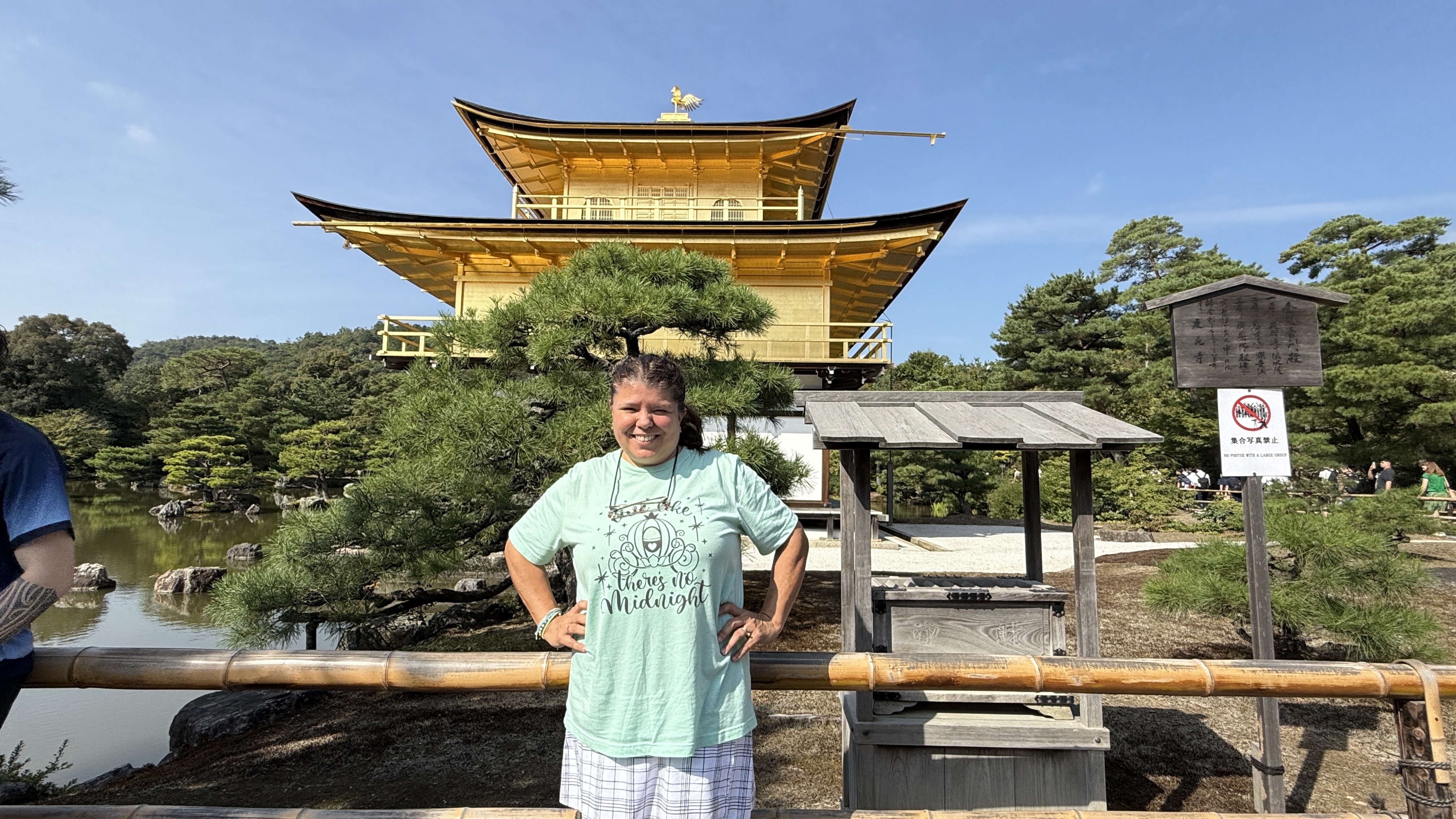
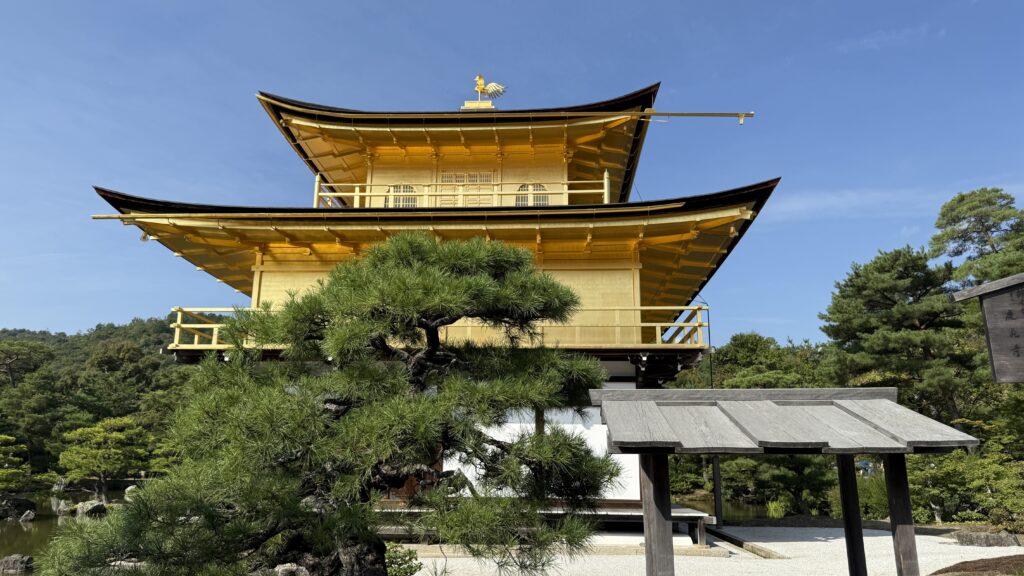
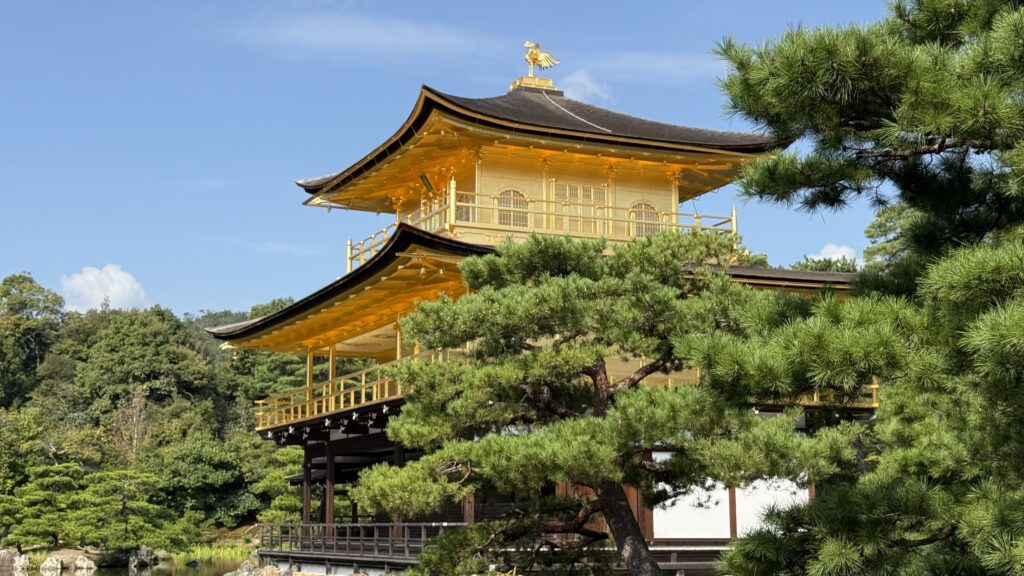
Exploring Kyoto’s cultural treasures is no farther than a visit to Kinkaku-ji Temple. No image is more closely associated with Kyoto than Kinkaku-ji, commonly known as the Golden Pavilion. Officially called Rokuon-ji, this Zen Buddhist temple is one of Japan’s most celebrated landmarks and a UNESCO World Heritage Site.

A Brief History
The origins of Kinkaku-ji date back to the late fourteenth century. The site was originally built as a retirement villa for Ashikaga Yoshimitsu, the third shogun of the Ashikaga Shogunate. Following his death in 1408, the villa was transformed into a Zen temple according to his wishes.
Throughout its long history, Kinkaku-ji survived wars and political upheavals, although the current structure is not the original building. In 1950, a novice monk set fire to the pavilion, destroying much of the historic structure. The temple was faithfully reconstructed in 1955 and remains one of Japan’s most treasured cultural sites.
Architectural Beauty
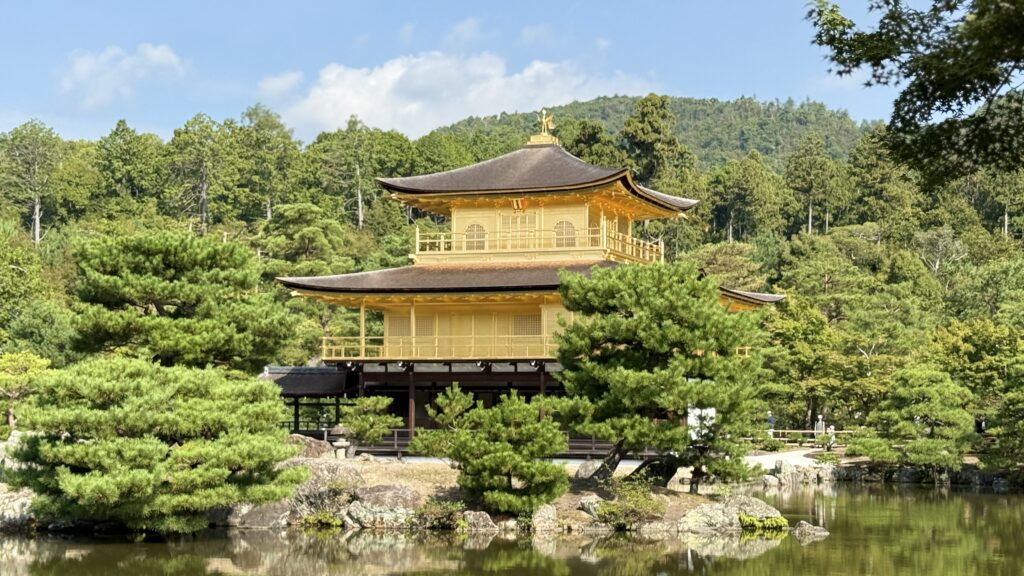
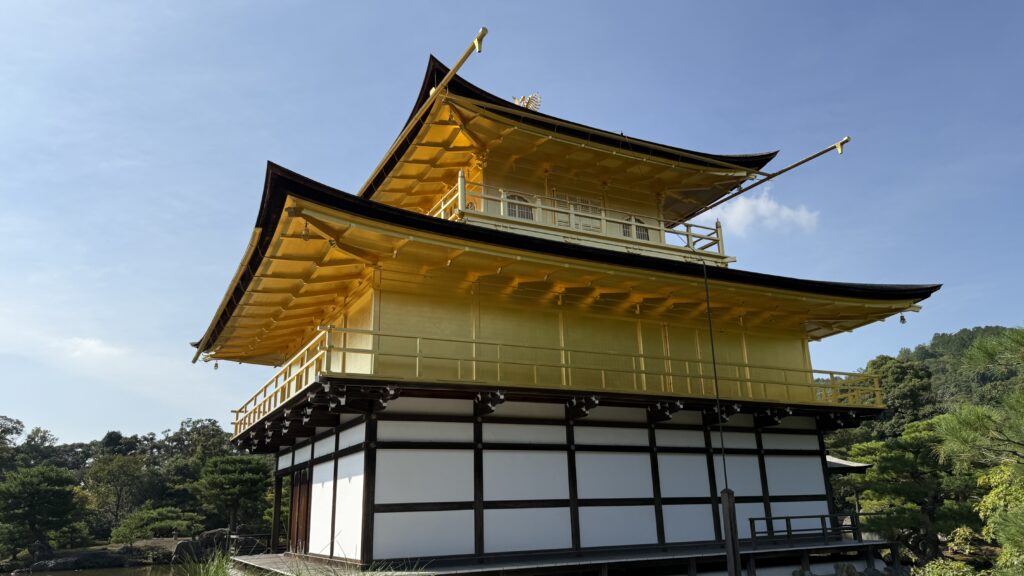
What makes Kinkaku-ji truly extraordinary is its striking appearance. The top two floors of the pavilion are covered in gold leaf, creating a dazzling reflection in the surrounding pond. The building incorporates several architectural styles:
- The first floor reflects the style of Heian-period palace architecture.
- The second floor features samurai residential design.
- The third floor represents Zen Buddhist architecture.
A golden phoenix adorns the roof, symbolizing rebirth and spiritual transcendence.
The Garden and Surroundings
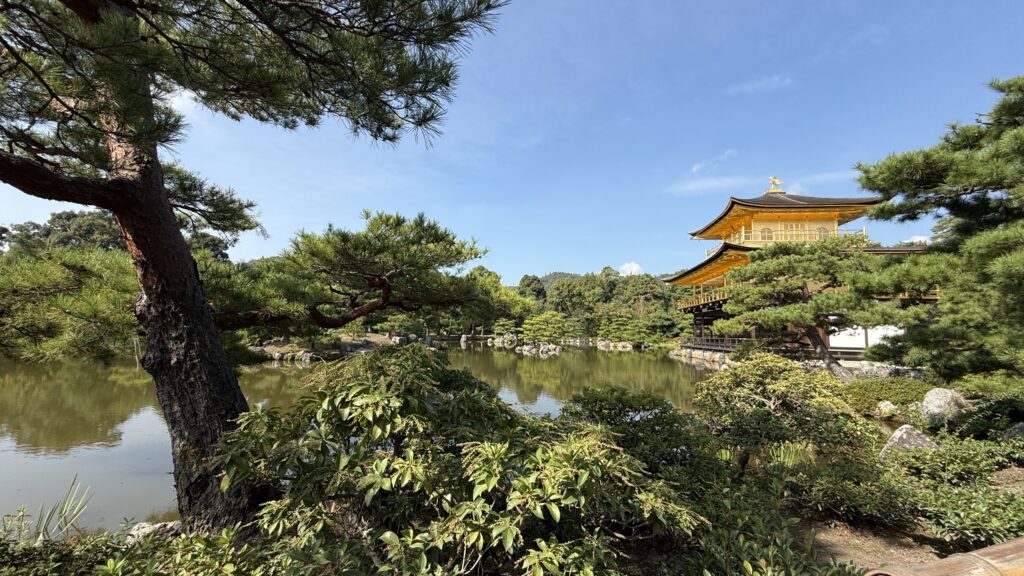
The temple sits beside Kyoko-chi, or Mirror Pond, whose still waters perfectly reflect the golden pavilion on calm days. Carefully positioned islands and stones create a picturesque landscape designed to embody Buddhist concepts of harmony and enlightenment.
Visitors follow a walking path through beautifully maintained gardens, passing scenic viewpoints, statues, and smaller shrines. Seasonal changes add further charm:
- Spring brings cherry blossoms.
- Summer fills the gardens with lush greenery.
- Autumn transforms the landscape with brilliant red and orange foliage.
- Winter occasionally blankets the pavilion in snow, creating one of Japan’s most iconic scenes.
Visitor Experience
A visit to Kinkaku-ji is relatively straightforward, as the temple grounds follow a one-way walking route. While visitors cannot enter the pavilion itself, the exterior views more than compensate. The carefully designed pathway ensures excellent photography opportunities while maintaining an orderly flow of visitors.
Furthermore, the site also includes souvenir shops and areas where visitors can purchase traditional charms and fortunes. Despite attracting large crowds, Kinkaku-ji retains an atmosphere of serenity that reflects its religious significance.
For first-time visitors to Kyoto, Kinkaku-ji is often considered an essential destination and serves as a perfect introduction to Japanese temple architecture and garden design.
Nijo Castle: A Window into the Shogun’s World
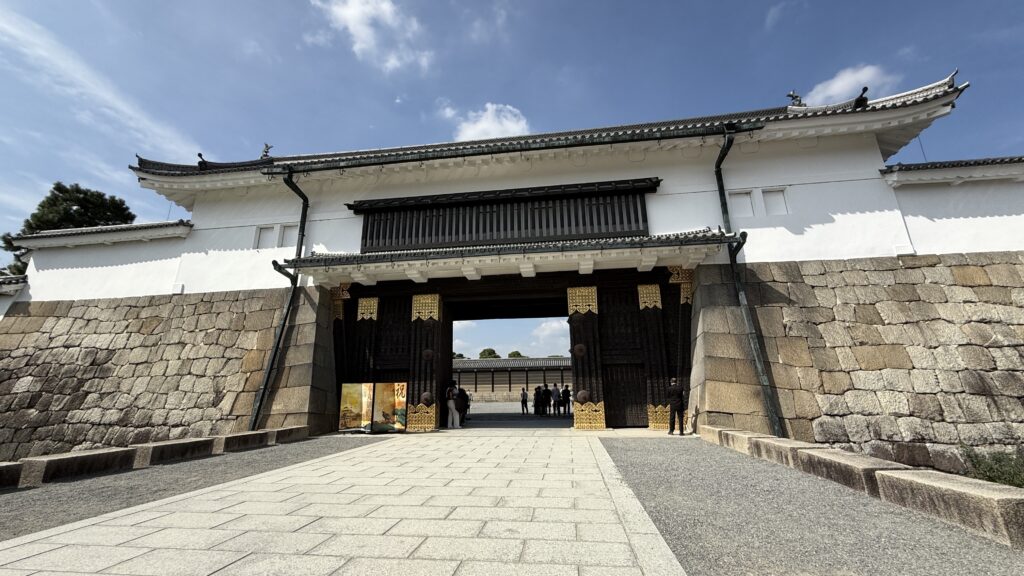
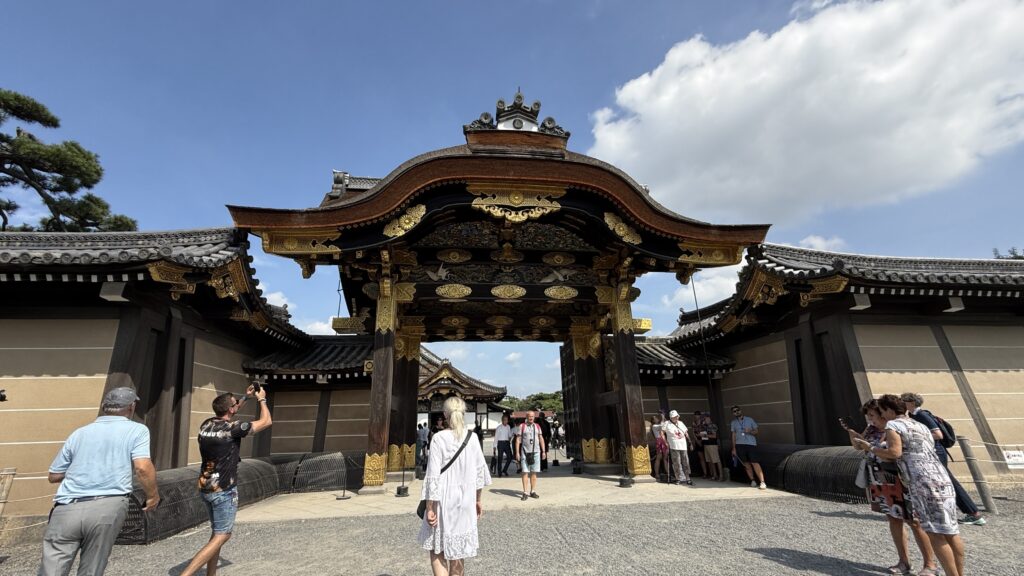
While Kinkaku-ji highlights Kyoto’s religious heritage, Nijo Castle reveals the political power that once shaped Japan and is the quintessential definition of exploring Kyoto’s cultural treasures. Built in the early seventeenth century, this impressive castle complex offers visitors a rare glimpse into the world of the Tokugawa shoguns.
Historical Significance
Nijo Castle was commissioned by Tokugawa Ieyasu, the founder of the Tokugawa Shogunate. Construction began in 1601 and was completed several years later. The castle served as the Kyoto residence of the shoguns whenever they visited the imperial capital.
The site also witnessed one of the most important moments in Japanese history. In 1867, Tokugawa Yoshinobu announced the return of political power to the emperor at Nijo Castle, marking the end of the Tokugawa era and paving the way for the Meiji Restoration.
Castle Layout
The castle complex consists of multiple defensive layers, including stone walls, moats, gates, and palaces. Although many Japanese castles are known for towering keeps, Nijo Castle’s primary attraction is its magnificent palace interiors. The grounds are divided into several sections:
- Ninomaru Palace
- Ninomaru Garden
- Honmaru Area
- Extensive castle grounds and walls
Together, these areas create one of Japan’s finest surviving examples of feudal architecture.
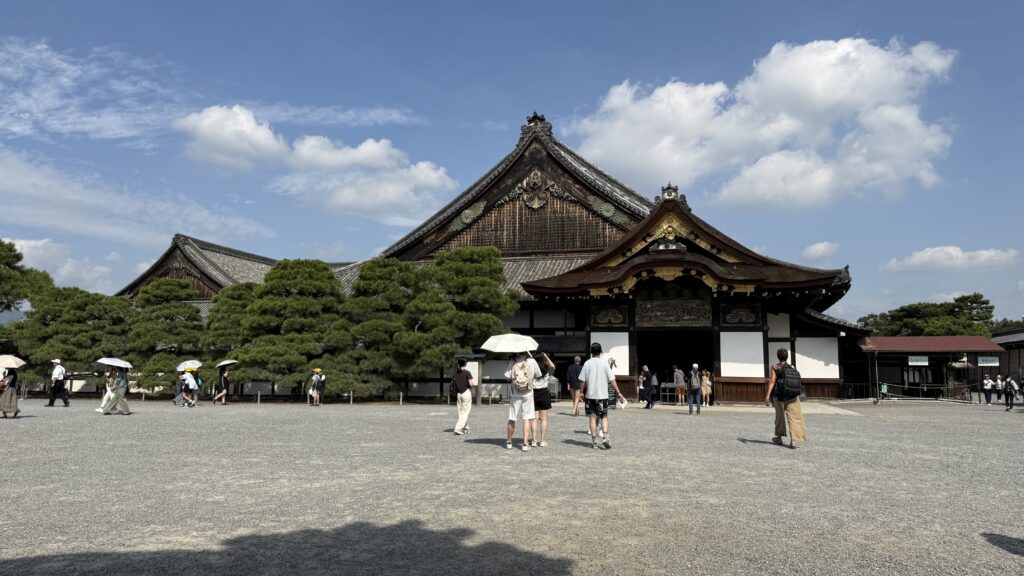
Ninomaru Palace
The highlight of Nijo Castle is undoubtedly Ninomaru Palace. This sprawling complex contains numerous rooms connected by elegant corridors. Inside, visitors encounter:
- Intricate wood carvings
- Decorative sliding doors
- Gold-leaf artwork
- Detailed paintings depicting nature and wildlife
The palace was designed to impress visiting feudal lords and foreign dignitaries while demonstrating the authority of the shogunate.
One of the palace’s most fascinating features is the “nightingale floor.” These specially constructed wooden floors chirp when walked upon, creating sounds reminiscent of birdsong. Originally, this served as a security measure to alert guards to intruders.
Gardens and Scenic Beauty
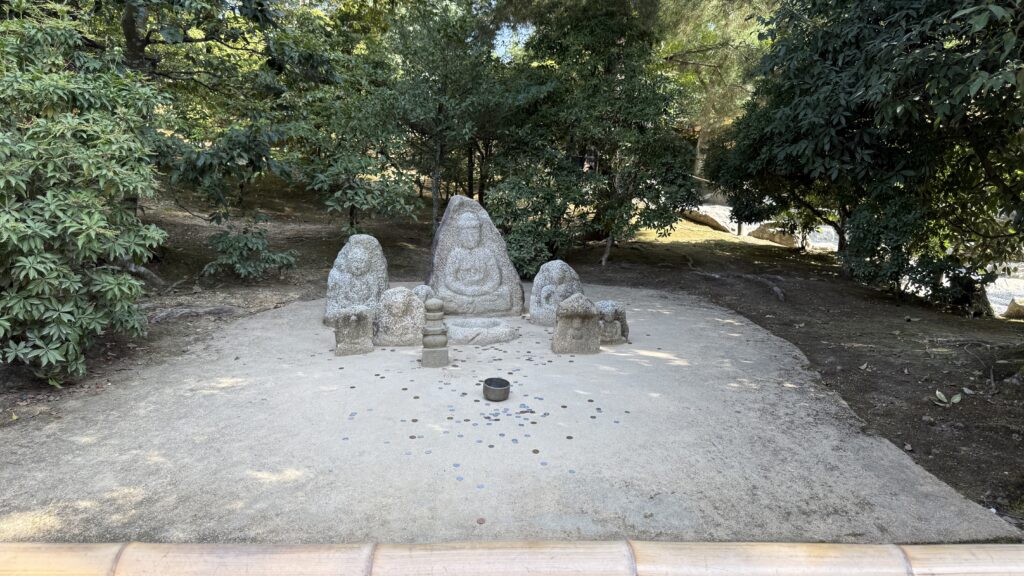
Nijo Castle’s gardens are masterpieces of Japanese landscape design. The Ninomaru Garden, created by the renowned landscape architect Kobori Enshu, features ponds, ornamental stones, islands, and carefully pruned trees. Each season transforms the garden’s appearance:
- Cherry blossoms bloom in spring.
- Lush vegetation dominates summer.
- Autumn colors create dramatic scenery.
- Winter offers a minimalist elegance.
The spacious grounds provide a relaxing contrast to the ornate palace interiors.
Cultural Importance
Today, Nijo Castle is recognized as a UNESCO World Heritage Site and remains one of Kyoto’s most important historical attractions. Visitors leave with a deeper understanding of Japan’s feudal era and the political structures that shaped the nation for centuries.
Unlike many castles reconstructed in modern times, Nijo Castle preserves much of its original atmosphere, allowing travelers to step directly into a pivotal chapter of Japanese history.
Nintendo Museum: Celebrating a Global Gaming Legacy
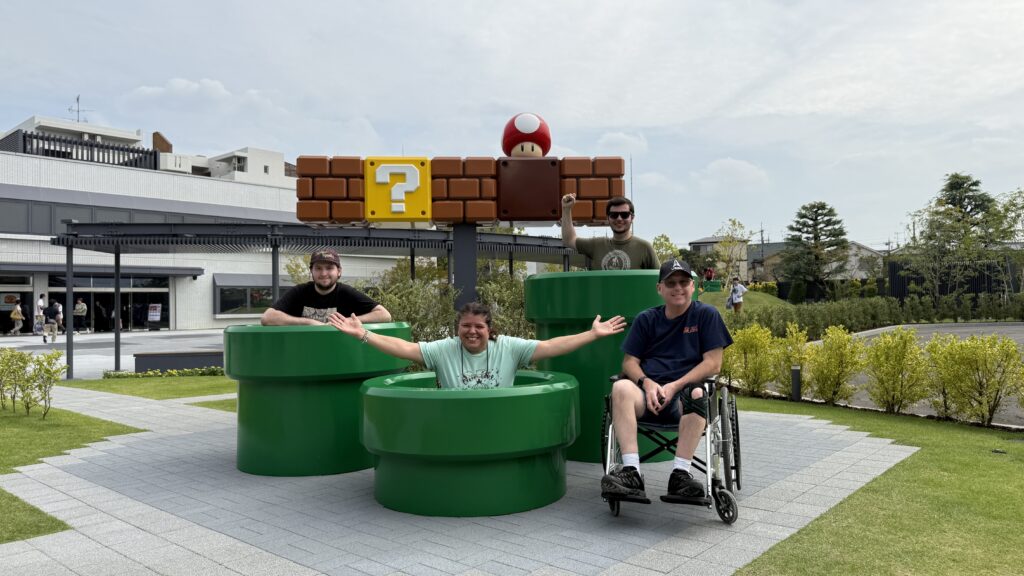
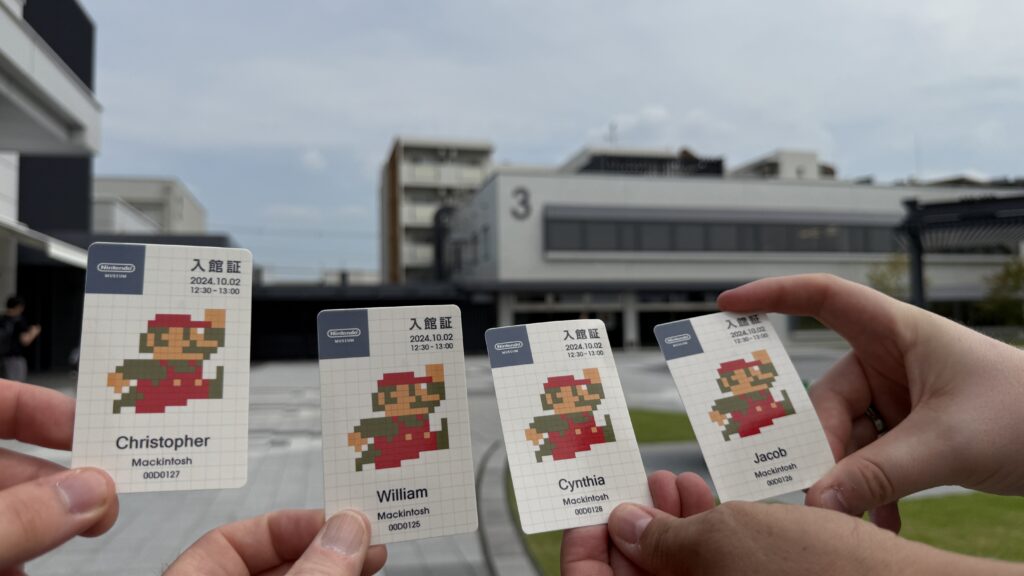
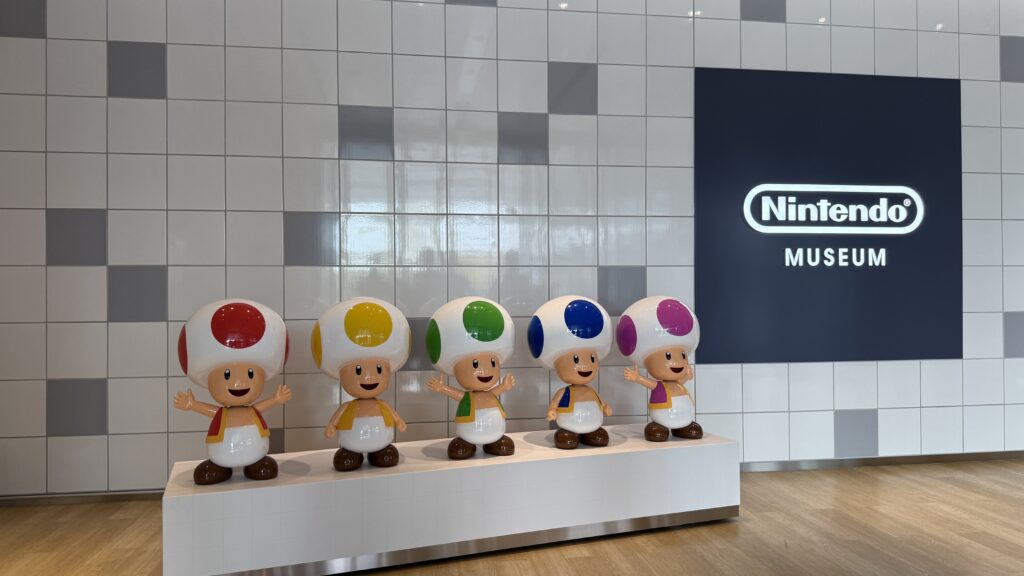
While Kyoto is often associated with tradition, it is also home to one of the most influential companies in entertainment history: Nintendo. The Nintendo Museum offers an exciting opportunity to explore the company’s remarkable journey from a nineteenth-century playing card manufacturer to a global gaming giant.



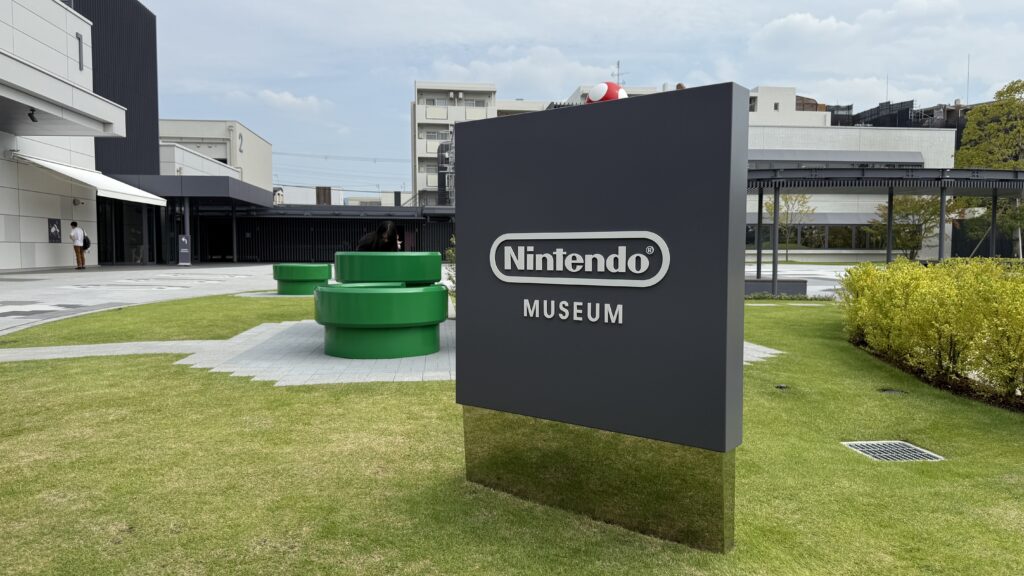
Nintendo’s Kyoto Roots
Nintendo was founded in Kyoto in 1889 by Fusajiro Yamauchi. Initially, the company produced handmade hanafuda playing cards. You can actually visit the birthplace, but it is currently a hotel and you are not allowed inside unless you have a reservation.


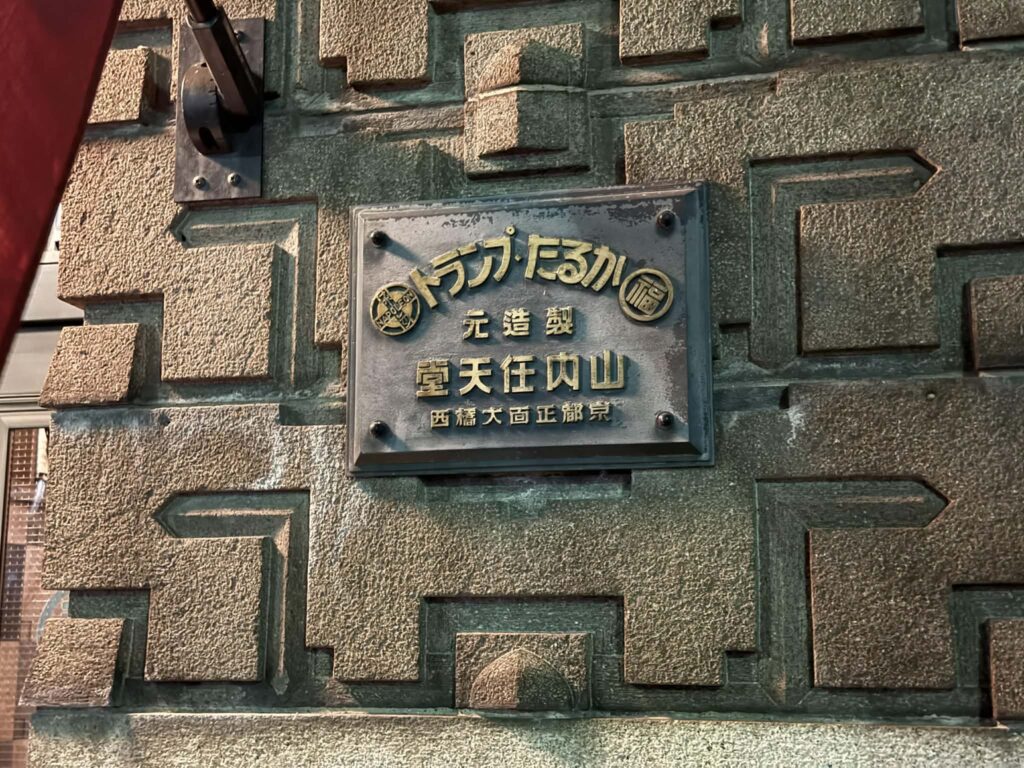
Over the decades, Nintendo experimented with various business ventures before ultimately finding success in electronic entertainment. The company would go on to create some of the world’s most beloved gaming franchises, including:
- Super Mario
- The Legend of Zelda
- Pokémon
- Donkey Kong
- Animal Crossing
- Splatoon
The museum highlights this extraordinary transformation and demonstrates how Nintendo became one of the most recognizable names in popular culture.
Interactive Exhibits
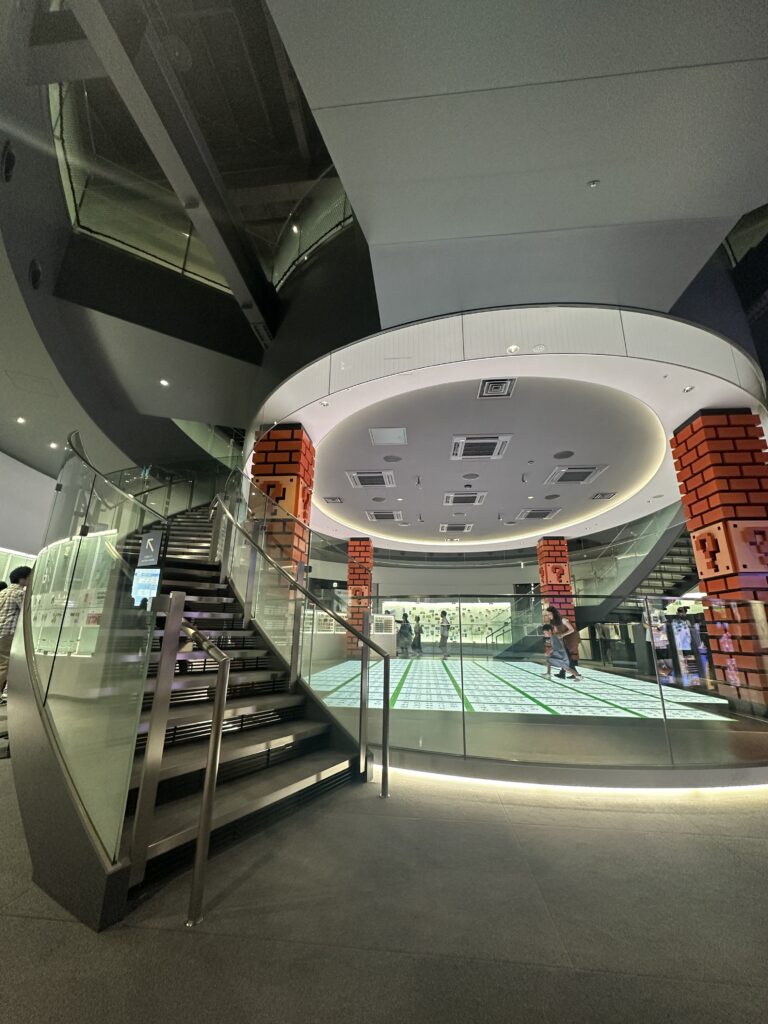
One of the museum’s greatest strengths is its interactive approach. Visitors do not simply observe displays; they actively engage with Nintendo’s history. Exhibits showcase:
- Early playing cards
- Vintage toys
- Arcade machines
- Classic game consoles
- Development materials
- Rare memorabilia
Guests can explore how Nintendo’s products evolved across different eras, from mechanical toys to cutting-edge gaming systems.
The Evolution of Gaming
The museum traces the progression of Nintendo hardware through the decades. Highlights often include:
- Nintendo Entertainment System (NES)
- Game Boy
- Nintendo 64
- GameCube
- Nintendo DS
- Wii
- Nintendo Switch
Each generation represents major innovations that helped shape the gaming industry worldwide.
Visitors gain insight into how Nintendo consistently reinvented entertainment by introducing new technologies, gameplay concepts, and design philosophies.
Immersive Experiences
Beyond historical displays, the museum provides hands-on activities and immersive installations that appeal to visitors of all ages. Fans can enjoy:
- Interactive games
- Creative challenges
- Digital exhibits
- Multimedia presentations
The museum’s design balances nostalgia for longtime fans with educational content for newcomers unfamiliar with Nintendo’s history.
A Unique Kyoto Attraction
The Nintendo Museum stands out because it connects Kyoto’s historical identity with modern innovation. While temples and castles tell stories of Japan’s distant past, the museum highlights the city’s continuing influence on global culture.
For gamers, families, and technology enthusiasts, the museum offers a fascinating look at the creativity and imagination that transformed Nintendo into a worldwide phenomenon.
Even visitors with only a casual interest in video games often find themselves captivated by the company’s history and its impact on generations of players.
Toei Kyoto Studio Park: Step Into Japanese Cinema
For travelers seeking entertainment and hands-on experiences, Toei Kyoto Studio Park provides an unforgettable adventure. Part theme park and part working film studio, this unique attraction allows visitors to immerse themselves in the world of Japanese cinema and television.
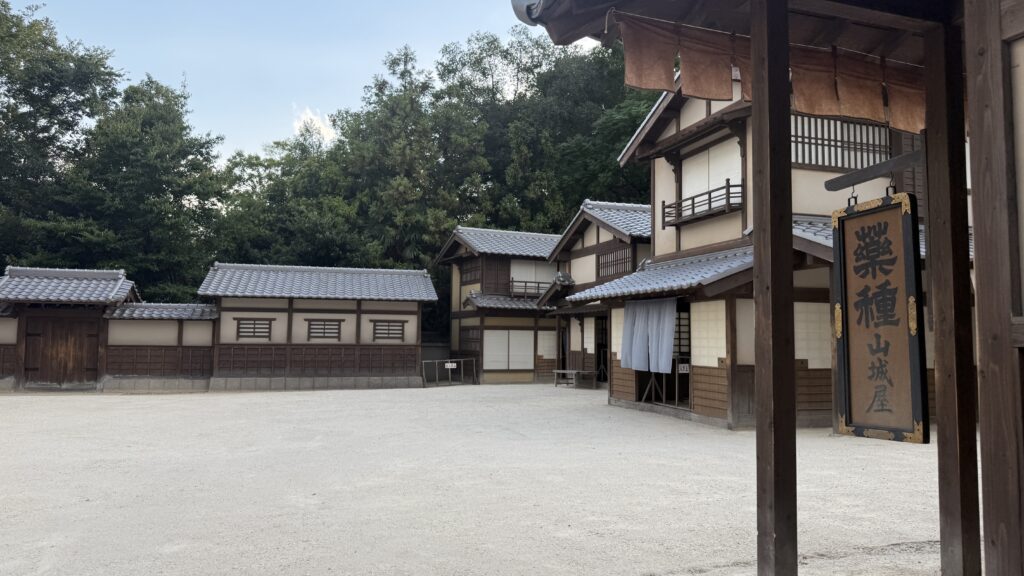
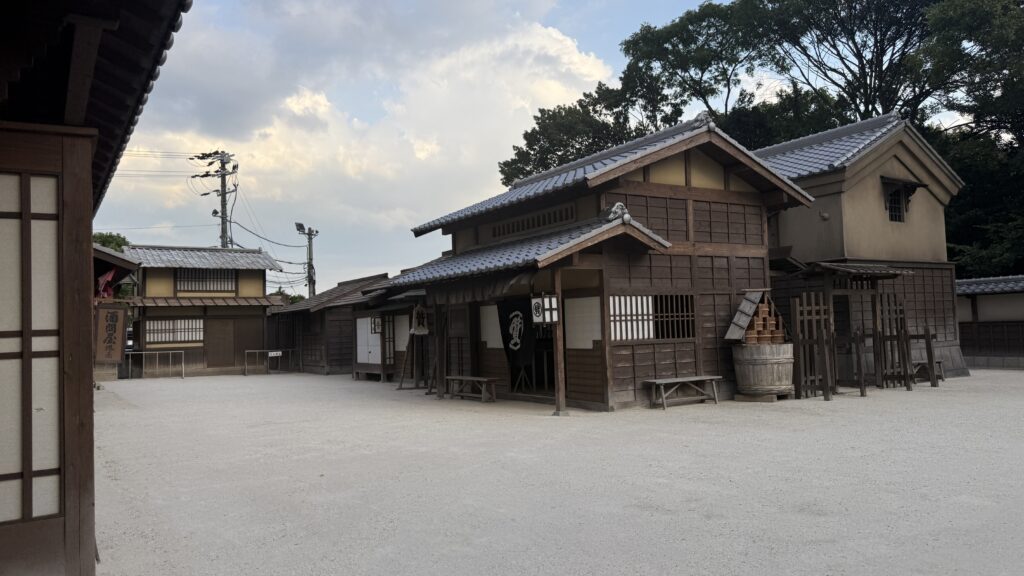


What Is Toei Kyoto Studio Park?
Operated by Toei Company, one of Japan’s major film studios, Toei Kyoto Studio Park combines entertainment, education, and movie production.
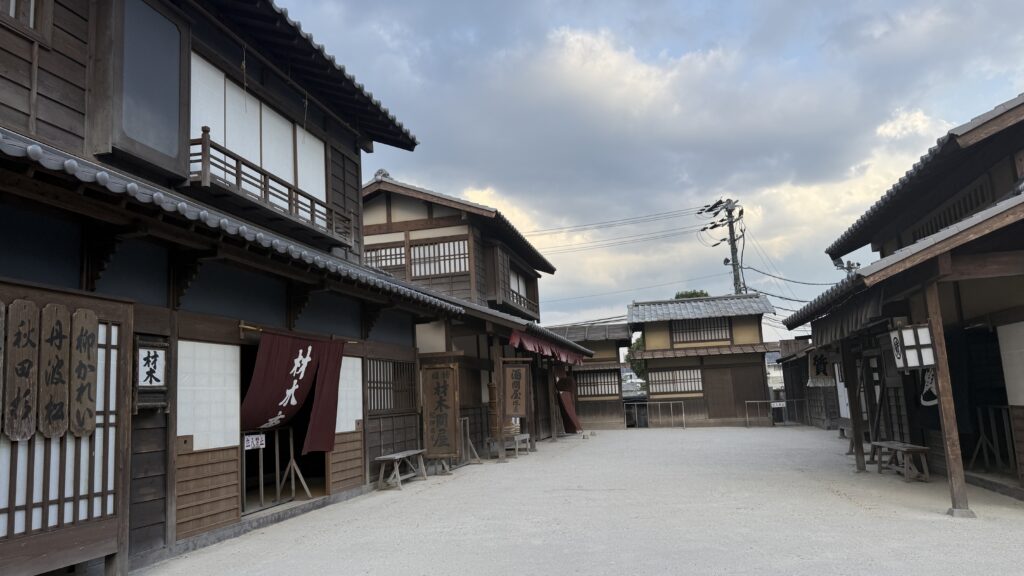
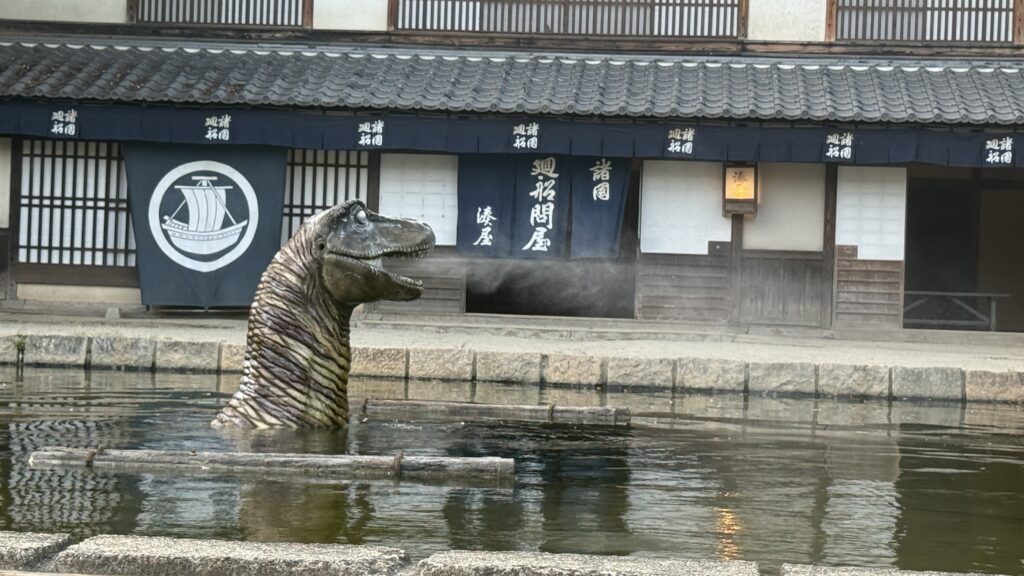
The park is particularly famous for its recreations of Edo-period streets. These detailed sets have been used in countless samurai films, television dramas, and historical productions.
Unlike many theme parks focused solely on rides, Toei Kyoto Studio Park offers visitors the chance to experience the filmmaking process firsthand.
Walking Through History
One of the park’s most impressive features is its reconstructed historical townscape. Visitors can stroll through:
- Traditional merchant streets
- Samurai districts
- Castle gates
- Period-style buildings
- Historic marketplaces
The attention to detail creates the feeling of stepping into Japan’s feudal past.
Film crews occasionally use these sets during active productions, adding authenticity and excitement to the visitor experience.
Live Performances and Shows
Throughout the day, the park hosts live performances inspired by Japanese cinema. Popular attractions include:
- Samurai sword demonstrations
- Ninja performances
- Action stunt shows
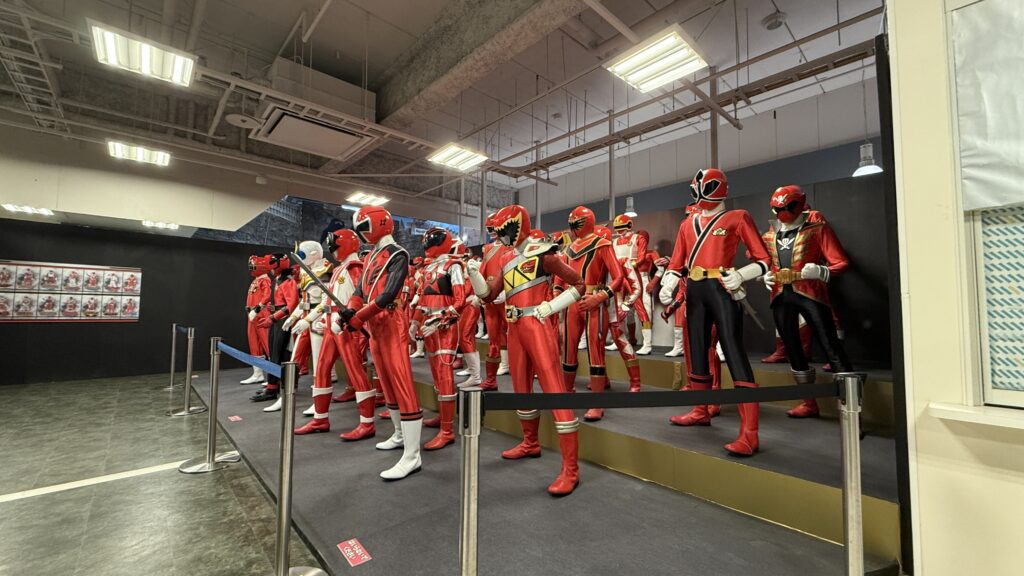
- Character appearances
These presentations showcase traditional Japanese storytelling while highlighting the skills involved in film production.
The performances are especially enjoyable for families and international visitors seeking accessible cultural entertainment.
Interactive Activities
Toei Kyoto Studio Park encourages participation through a variety of hands-on experiences. Guests can:
- Dress as samurai or ninja
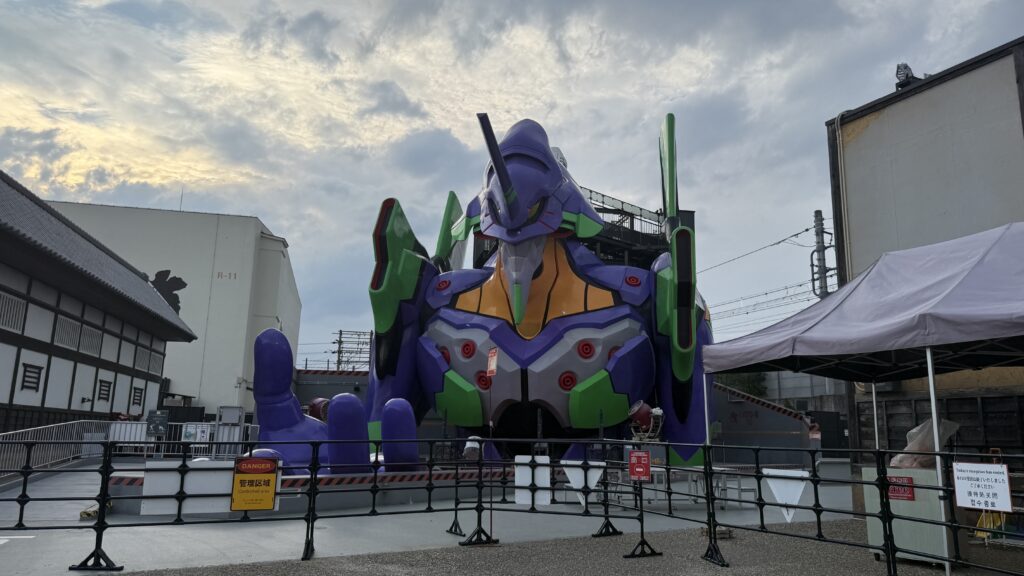
- Explore themed attractions
- Participate in workshops
- Learn basic stunt techniques
- Take memorable photographs in costume
These activities create opportunities for visitors to become part of the action rather than merely observing it.
Family-Friendly Entertainment
Families appreciate the park’s combination of education and fun. Children enjoy the interactive attractions, while adults often find the historical sets and behind-the-scenes insights equally engaging. The park bridges multiple interests, making it suitable for:
- Film enthusiasts
- History lovers
- Families with children
- Photography enthusiasts
- Fans of Japanese pop culture
A Different Side of Kyoto
Many visitors associate Kyoto exclusively with temples and shrines, but Toei Kyoto Studio Park demonstrates another dimension of the city. It celebrates Japan’s entertainment industry and reveals how historical settings continue to inspire modern storytelling.
For travelers looking to diversify their Kyoto itinerary, the park provides a refreshing change of pace while remaining deeply connected to Japanese culture.
Planning Your Kyoto Adventure
Together, Kinkaku-ji Temple, Nijo Castle, the Nintendo Museum, and Toei Kyoto Studio Park showcase the remarkable diversity of Kyoto.
A well-planned itinerary might begin with the timeless beauty of Kinkaku-ji, continue through the political history preserved at Nijo Castle, transition into modern entertainment at the Nintendo Museum, and conclude with the cinematic excitement of Toei Kyoto Studio Park. Each attraction offers something distinct:
- Kinkaku-ji represents spiritual and architectural beauty.
- Nijo Castle reveals the legacy of Japan’s shoguns.
- The Nintendo Museum celebrates innovation and creativity.
- Toei Kyoto Studio Park brings Japanese film culture to life.
Together, they illustrate why Kyoto remains one of the world’s most compelling travel destinations.
Conclusion
Kyoto is often described as the cultural heart of Japan, and these four attractions demonstrate exactly why. Kinkaku-ji Temple enchants visitors with its golden elegance and tranquil surroundings. Nijo Castle provides a fascinating journey into the political world of feudal Japan. The Nintendo Museum highlights Kyoto’s role in shaping global entertainment, while Toei Kyoto Studio Park offers an immersive and interactive encounter with Japanese cinema.
Whether you are a history enthusiast, architecture admirer, gamer, film fan, or first-time visitor to Japan, these destinations reveal different aspects of Kyoto’s identity. They remind travelers that Kyoto is not simply a city frozen in time but a vibrant place where ancient traditions and modern creativity continue to thrive side by side.
A visit to these remarkable attractions offers more than sightseeing—it provides a deeper appreciation for the cultural richness, innovation, and enduring spirit that make Kyoto one of the most captivating cities in the world. Our day trip to Kyoto left us fascinated and I’m sure you will be fascinated as well!
If you have a specific question about this post, please email me.
PIN ME!
You might also like to read: