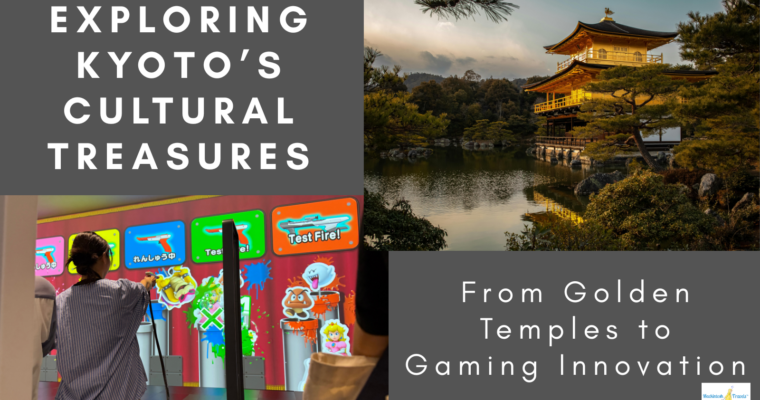
Kyoto completely stole our hearts. With its breathtaking scenery, rich history, and unforgettable atmosphere, it felt like stepping into another world. On our family day trip, we explored Kyoto’s cultural treasures with four amazing attractions that showcased different sides of this remarkable city. We’re sharing …
Our family day trip to this awesome theme park turned out to be one of those rare experiences that genuinely lives up to the hype and then goes a little further than what you expected. We did our best to make the most of our …
Osaka quickly became one of the most memorable stops on our family trip to Japan. It is a place where vibrant energy, rich history, and incredible food all came together in the best possible way. We did our research prior to visiting and found that these are the best places to visit in Osaka.
From the moment we arrived, we could feel the city’s lively welcoming spirit. As a family, we found ourselves constantly shifting between experiences. One moment we were navigating neon-lit streets and sampling street food, the next we were stepping into peaceful parks or exploring centuries-old landmarks. What made Osaka so special for us wasn’t just what we saw, but how we experienced it together. We shared meals, got lost in the excitement, learned new things, and created memories that felt both meaningful and fun. It was the kind of city that made travel feel effortless. Our stay brought something different and we left already wishing we had just a little more time.
Dotonbori
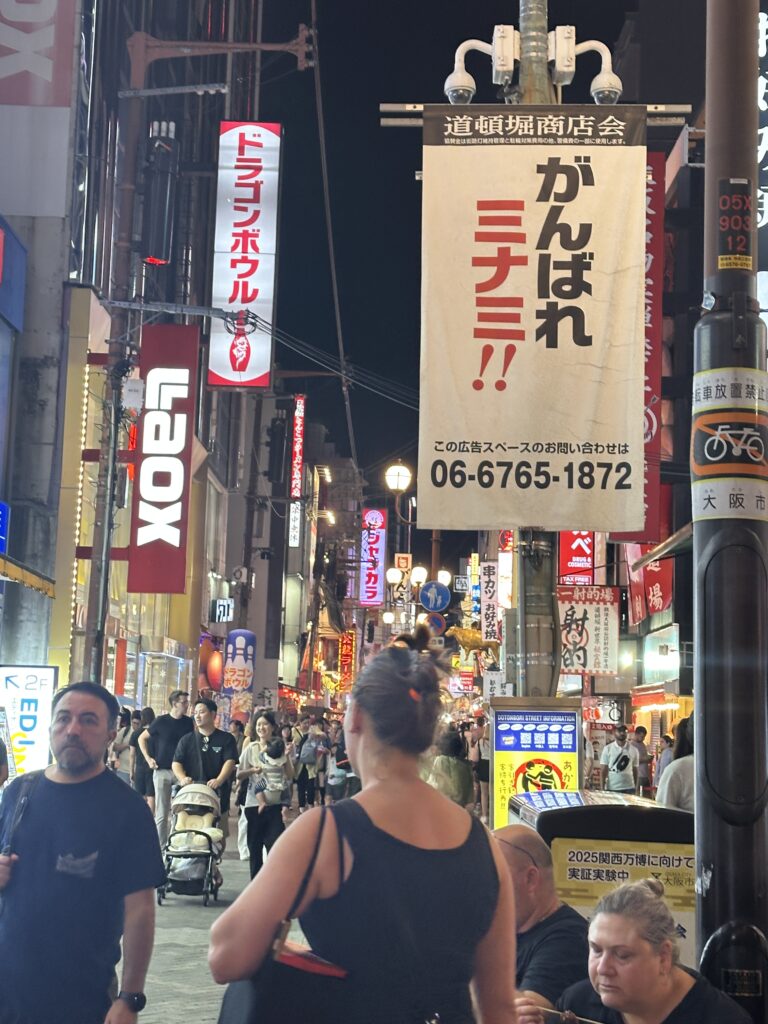
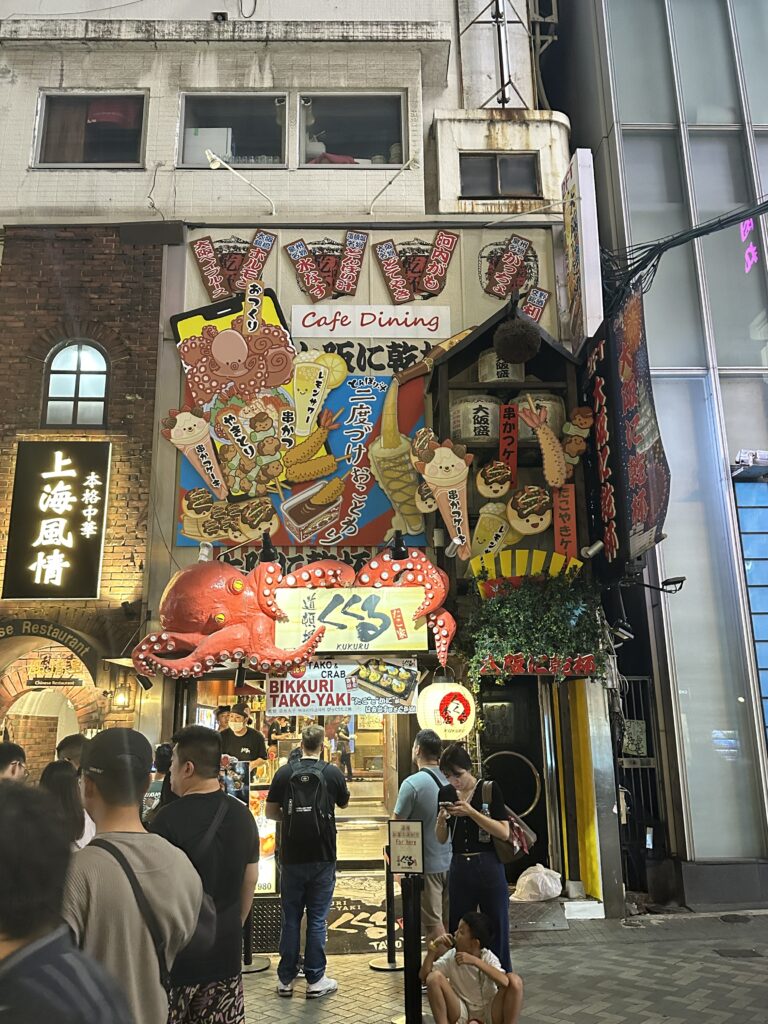
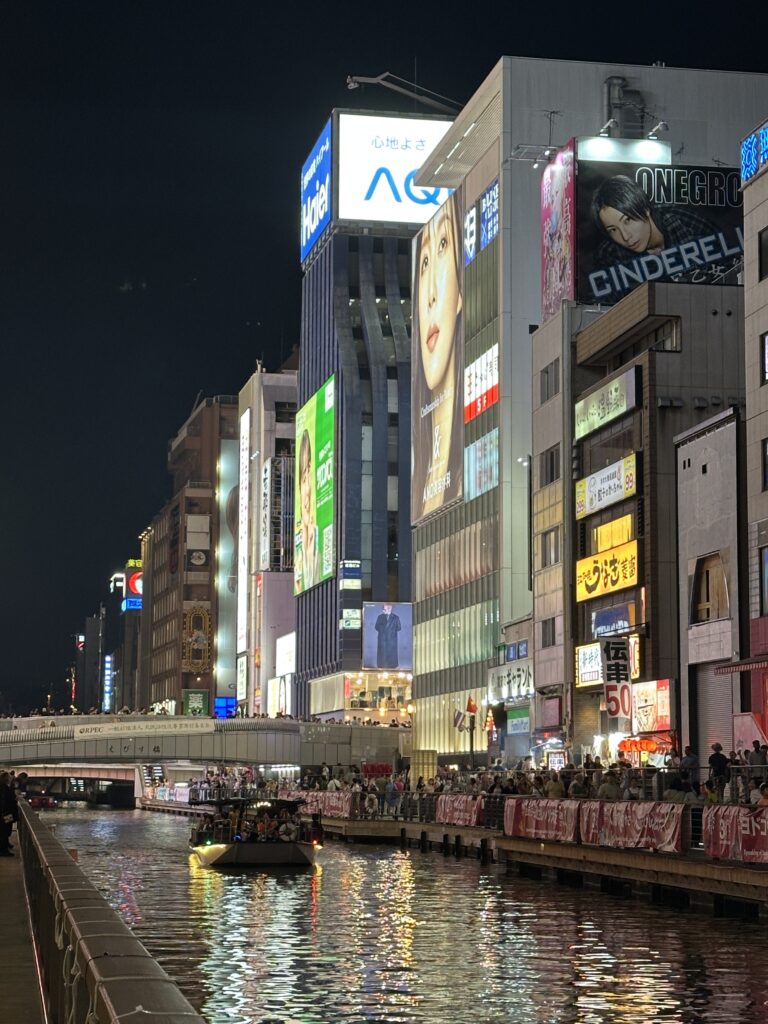
One of the best places to visit in Osaka is Dotonbori. Dotonbori was the kind of place that immediately awakened all our senses. We couldn’t help but feel swept up in its electric atmosphere. From the moment we arrived, the glow of neon lights reflected off the canal creating a dazzling display that felt almost surreal. Towering signs, some animated, some delightfully over-the-top, lined the streets, each one competing for attention.
What stood out most, though, was the energy of the crowd: locals, tourists, families, and friends. There was something incredibly joyful about being part of that collective buzz, as if the entire district was celebrating life in its most vibrant form.
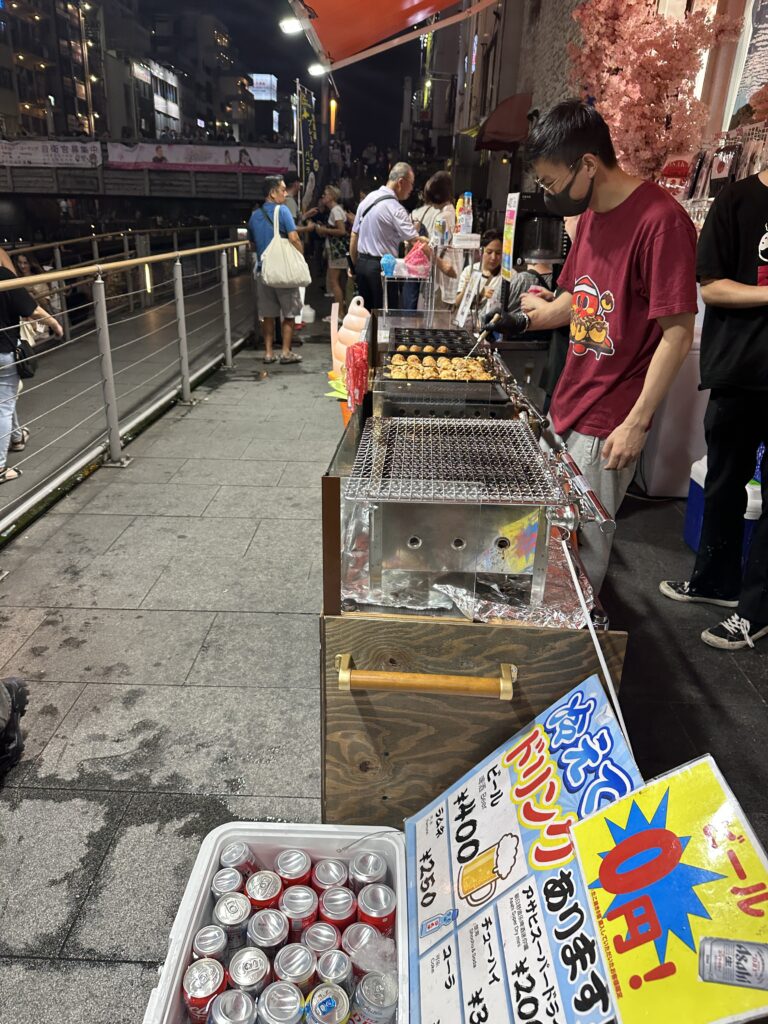
I have to say that you must try Dotonbori’s legendary street food scene, and for us, this became the heart of the experience. We wandered from stall to stall, guided as much by the delicious aromas as by curiosity. Watching vendors expertly prepare takoyaki (turning the batter-filled molds with incredible speed) was mesmerizing.
What made it special was how naturally it brought us together. Instead of each person ordering their own meal, we sampled a few things comparing favorites. It was a lot of fun taste testing! As the night deepened and the lights grew even brighter, we found ourselves lingering longer than expected, reluctant to leave a place that felt so alive. Dotonbori wasn’t just a destination it was a memory in motion, one that captured the playful, indulgent spirit of Osaka in a way we’ll never forget.
Kuromon Market
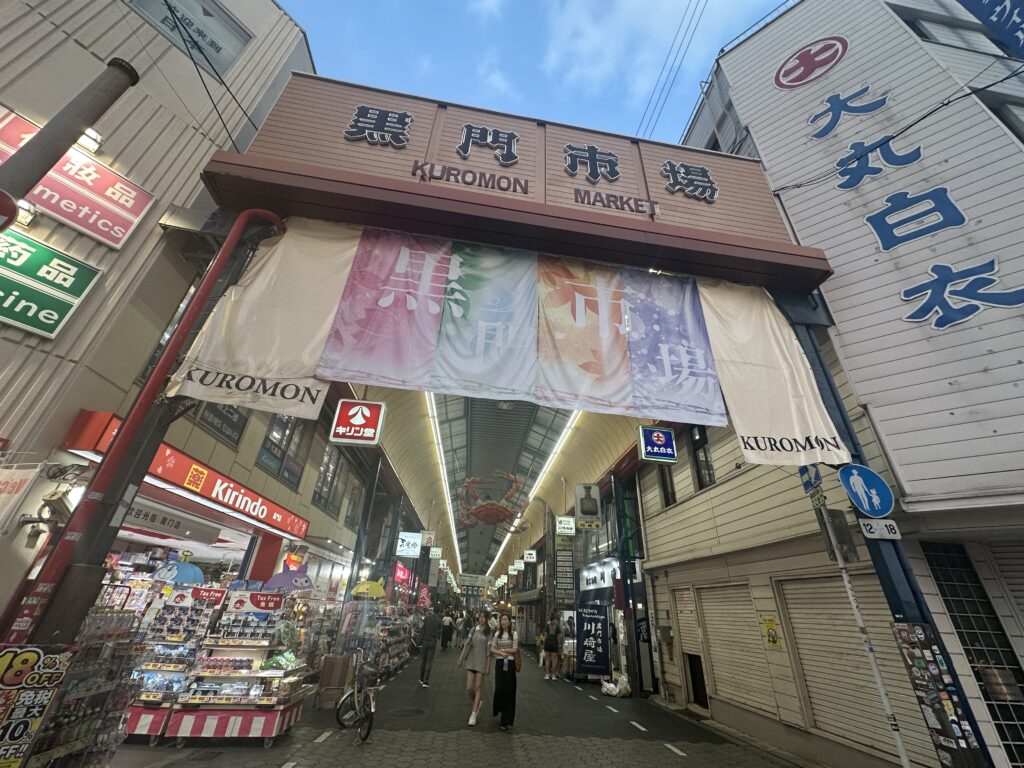
If Dotonbori was Osaka at its most energetic, Kuromon Market felt like its soulful, culinary heart. Walking beneath the covered arcade, we were greeted by rows of vendors displaying their goods with pride and precision. One of the reasons why this is one of the best places to visit in Osaka is because it’s known as “Osaka’s Kitchen.”
The market offered a glimpse into the city’s deep relationship with food, one that goes far beyond dining and into tradition, craftsmanship, and daily life. The atmosphere was lively but not overwhelming, allowing us to explore at our own pace. Each stall seemed to tell its own story, some specializing in fresh seafood, others in seasonal produce, and still others in prepared delicacies that looked almost too beautiful to eat. We quickly fell into a rhythm of wandering, stopping, tasting, and chatting, letting our curiosity guide us rather than sticking to any kind of plan. It felt less like sightseeing and more like being invited into a living, breathing community space.
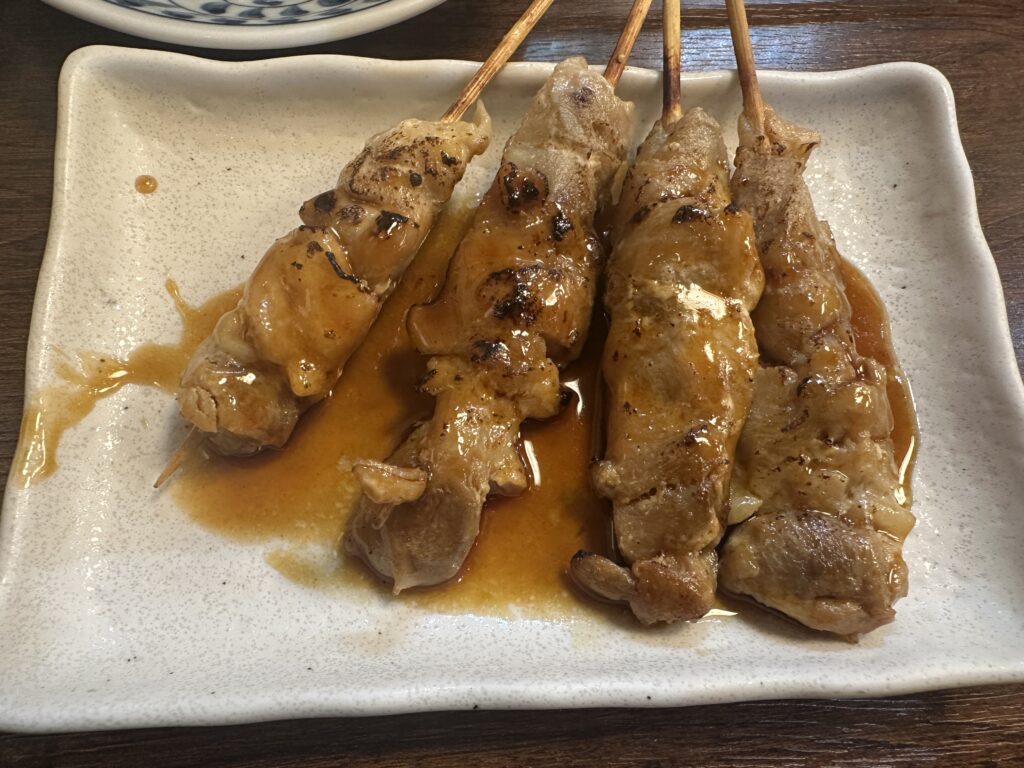
The food itself was nothing short of extraordinary. It was here that we truly appreciated the quality and care that defines Japanese cuisine. We sampled everything from kushiyaki (grilled skewers) to skewers of tender wagyu beef that practically melted in our mouths. What made Kuromon Market especially memorable, though, was the human connection behind the food. Vendors greeted us warmly, sometimes offering samples or explaining their specialties with gestures and smiles that transcended any language barrier.
There was a genuine sense of pride in what they were offering, and that pride was contagious. We found ourselves slowing down, taking time to appreciate not just the flavors, but the stories and traditions behind them. By the time we left, we felt not just well-fed, but deeply connected to a side of Osaka that felt authentic, generous, and full of heart.
Osaka Castle
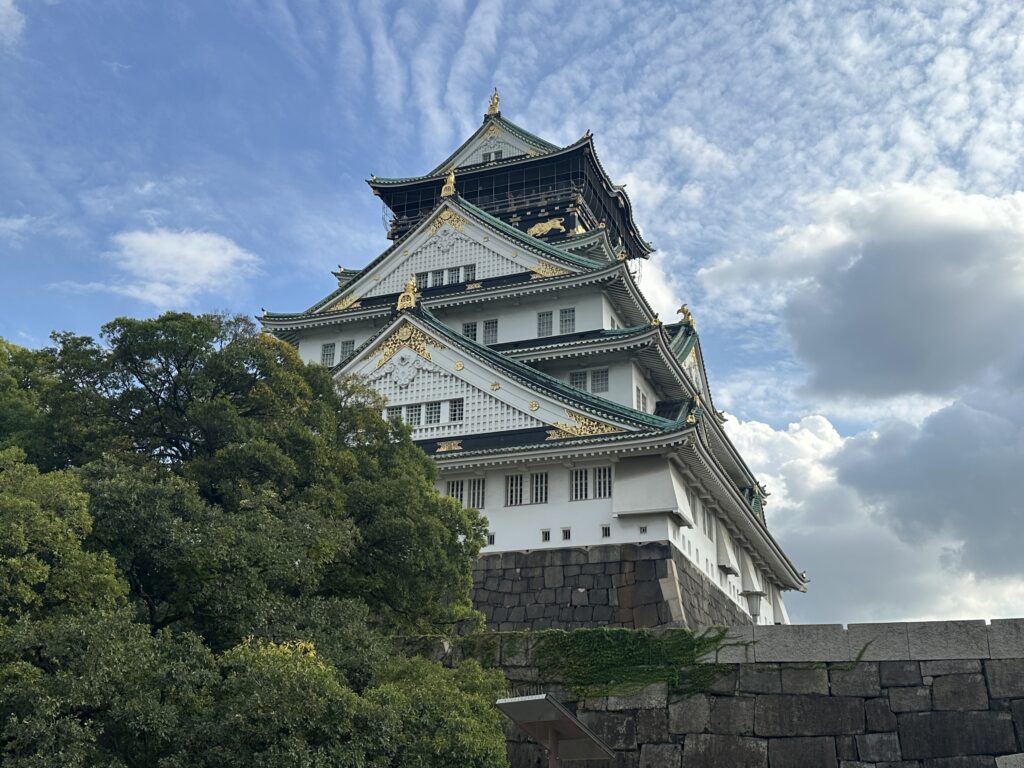
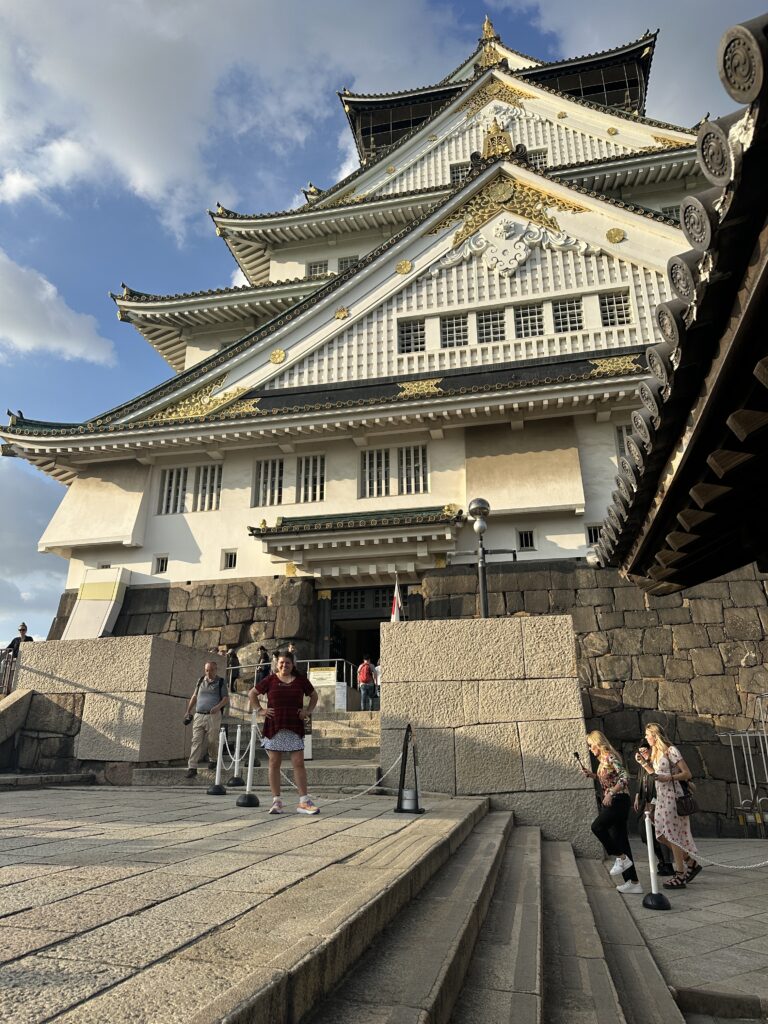
You must visit Osaka Castle! Visiting Osaka Castle was like stepping into a different era, one that offered a striking contrast to the modern energy of the city. As we approached the castle grounds, the shift in atmosphere was immediate. The noise of the city softened, replaced by the gentle sounds of nature and the steady rhythm of footsteps along wide, open paths. The castle itself rose majestically in the distance, its white walls and green-tiled roof gleaming under the sunlight, framed by massive stone walls and a serene moat.
It was the kind of sight that made us all pause, taking a moment to simply absorb its beauty and significance. The surrounding park added to the experience, offering plenty of space to wander and explore.
We didn’t take any photos inside the castle as most places did not allow. The inside museum transformed what could have been a distant historical narrative into something vivid and engaging. The exhibits focused on the life and legacy of Toyotomi Hideyoshi, weaving together artifacts, interactive displays, and detailed storytelling that made centuries-old events feel immediate and relevant.
As a family, we appreciated how accessible it was. There was something for everyone, whether it was reading about battles, watching reenactments, or engaging with hands-on elements that brought history to life. Climbing up the 5 levels of the castle, because the elevator was down, felt like a journey in itself, each floor revealing new insights and perspectives. When we finally reached the top, the panoramic view of Osaka stretched out before us, blending past and present in a single breathtaking scene. It was one of those rare moments where everything seemed to come together.
We learned all about the history, the city we had been exploring, and the shared experience of taking it all in as a family. Osaka Castle wasn’t just a landmark; it was a powerful reminder of the stories that shape a place and the connections that make those stories meaningful and this is why I say this is one of the best places to visit in Osaka.
Samurai Ninja Museum with Experience
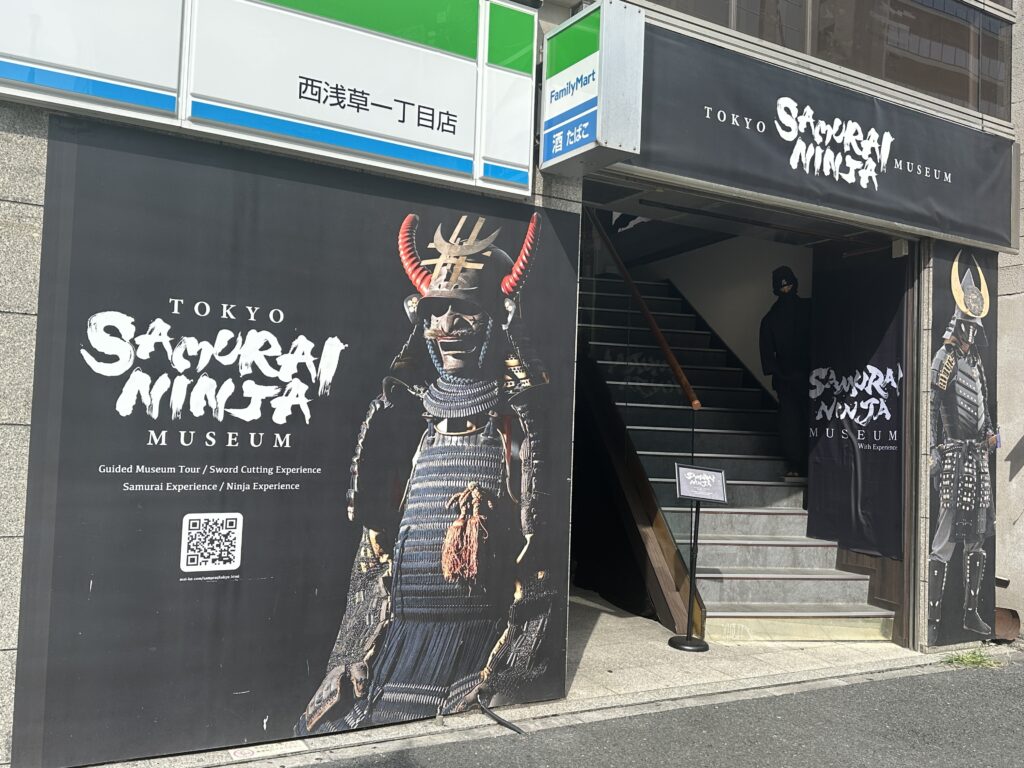
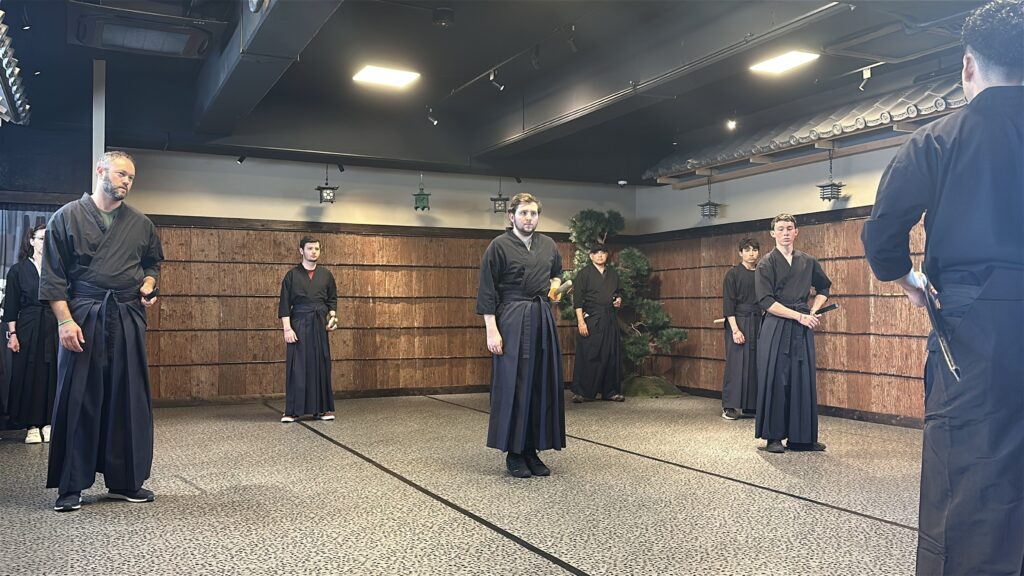
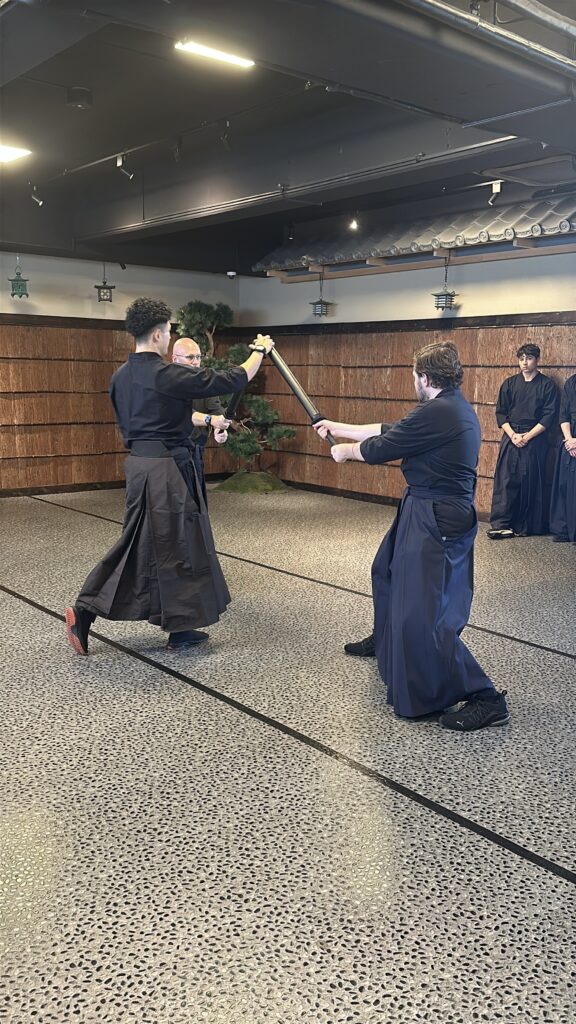
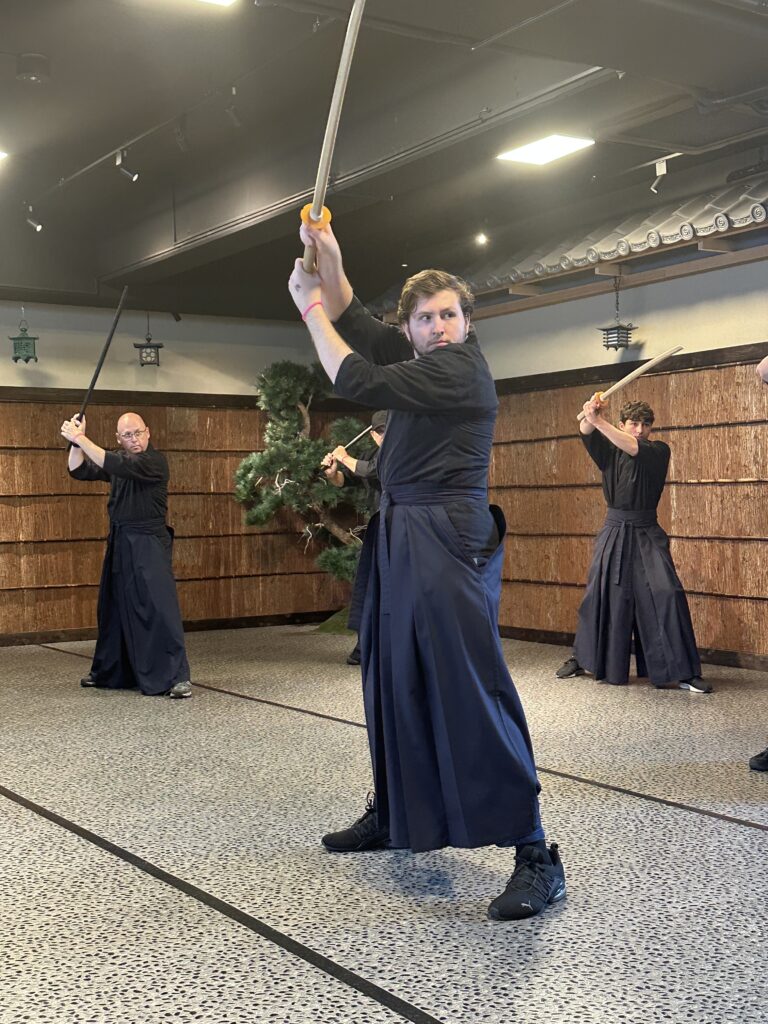
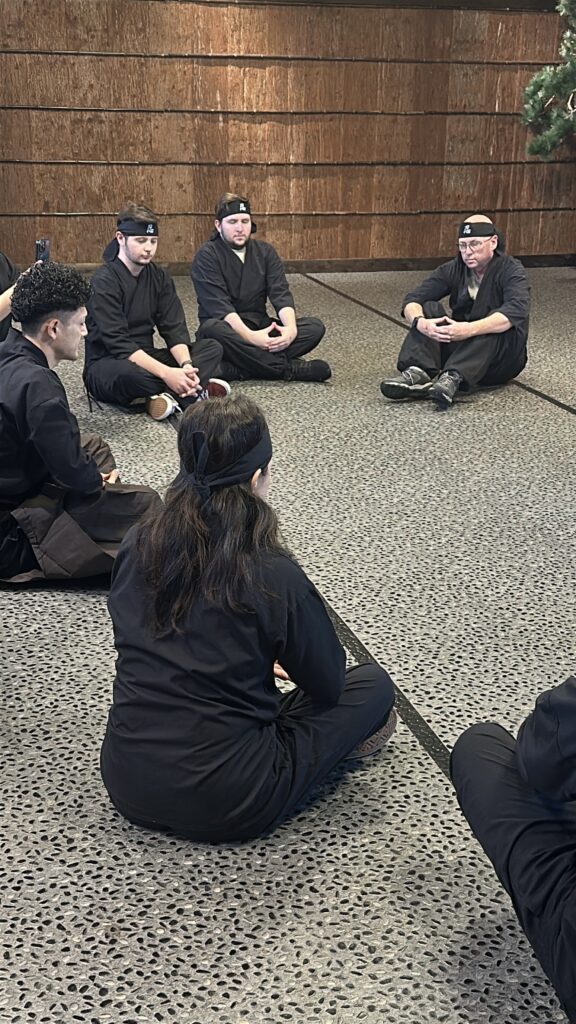
The Samurai Ninja Museum with Experience turned out to be one of the most interactive and unexpectedly fun parts of our trip, especially since one of our son’s is a Second Degree Black Belt! From the moment we stepped inside, there was a sense that this would be more than just a typical museum visit. Instead of quietly observing exhibits from a distance, we were invited to engage, participate, and fully immerse ourselves in the world of samurai and ninja. The staff welcomed us warmly and guided us through the experience with enthusiasm and a clear passion for sharing Japanese history and culture.
We learned about the roles and philosophies of samurai, the stealth and strategy of ninja, and how these figures have been represented both historically and in popular imagination. What stood out was how the experience balanced education with entertainment offering real historical context while still keeping things accessible and exciting for all ages.
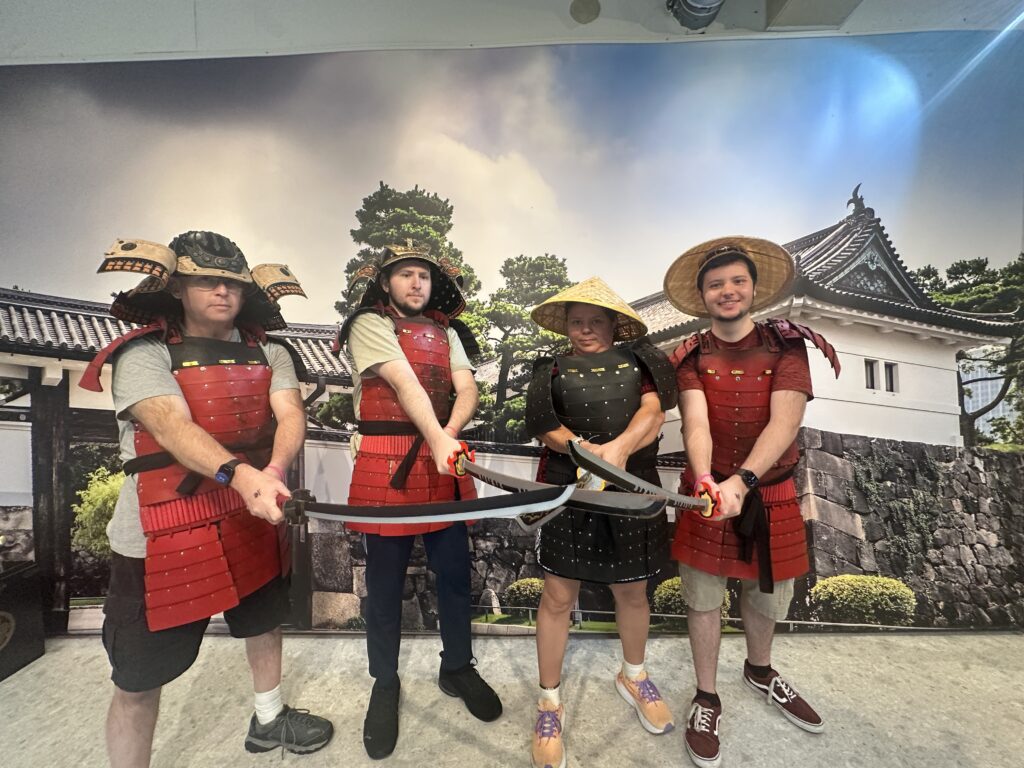
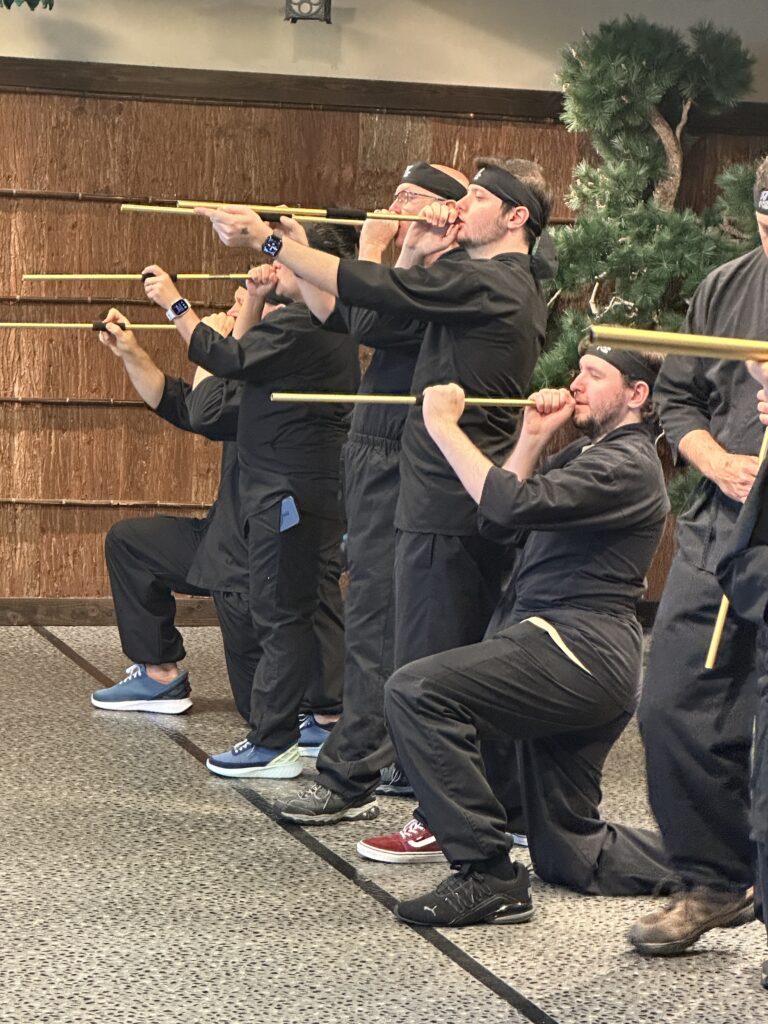
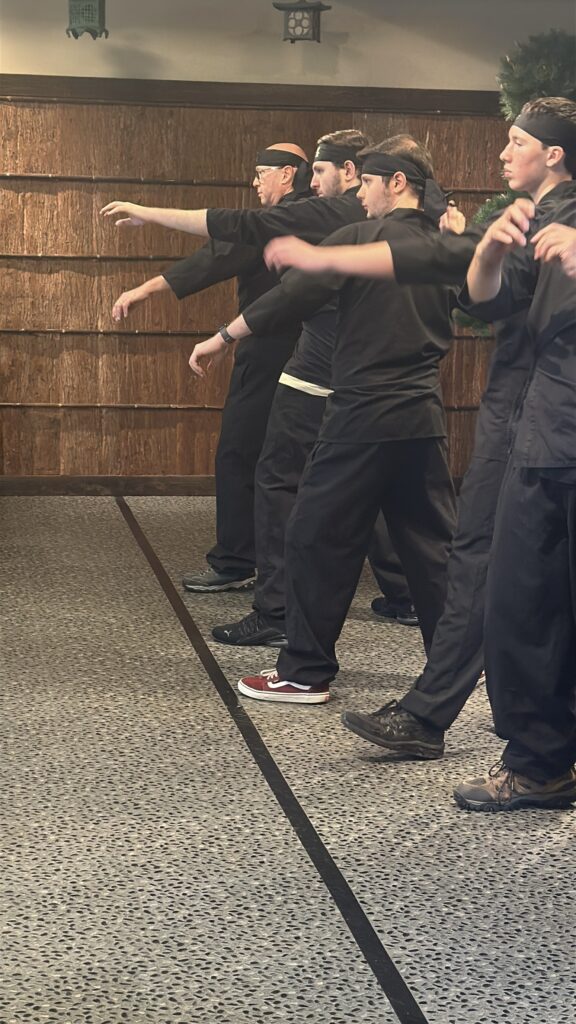
The hands-on activities were undoubtedly the highlight, hence making this another one of the best places to visit in Osaka, transforming what we had learned into something tangible and memorable. We had the chance to try on traditional costumes, instantly transporting us into another time and making for some fantastic family photos. Learning how to throw ninja stars was both challenging and hilarious, as we each took turns aiming for the target with varying degrees of success.
There was plenty of laughter, a bit of friendly competition, and a shared sense of accomplishment when we finally got it right. Handling replica weapons and practicing basic movements added another layer of authenticity, helping us better understand the discipline and skill involved in these traditions. What made the experience truly special was how it brought us together, not just as observers, but as participants in a shared adventure. By the time we left, we weren’t just more informed about samurai and ninja; we felt like we had stepped into their world, even if only for a short time. It was the perfect blend of learning and play, and a highlight that we continue to talk about long after returning home.
Zentis Osaka Hotel
Staying at Zentis Osaka felt like discovering a calm, design-forward retreat tucked into the heart of a busy city. Located in Osaka’s Kita district near Umeda, the hotel struck a perfect balance between accessibility and tranquility. It is close enough to major train stations and attractions, yet set on a quieter street that gave us a chance to unwind after full days of exploring.
From the moment we stepped into the lobby, it was clear this wasn’t a typical hotel experience. The space felt more like a thoughtfully curated living room, with soft lighting, modern furnishings, and subtle artistic touches that reflected both Japanese craftsmanship and contemporary style. We noticed that the atmosphere attracted a mix of travelers, from families like ours to business professionals yet it never felt crowded or chaotic. Instead, it had a relaxed, welcoming energy that made it easy to settle in. The staff added to that feeling immediately, greeting us warmly and offering help whenever we needed it, creating a sense of ease that carried throughout our stay. They even offered us a free rental wheelchair when my husband needed it for our last few days.
Our room continued that same sense of intentional design, blending simplicity with comfort in a way that felt distinctly Japanese. Unfortunately, I totally forgot to take photos of our room. While not oversized, it was impressively spacious by local standards, with clever layout choices that maximized every inch of space. Natural materials, soft neutral tones, and clean lines created a calming environment. The bed was exceptionally comfortable and small details like quality toiletries, a well-designed bathroom, and thoughtful amenities made a noticeable difference.
We also appreciated the shared spaces throughout the hotel, especially the lounge and restaurant area, which felt both stylish and inviting. What stood out most about Zentis Osaka, though, was how effortlessly it combined style, comfort, and practicality. It wasn’t overly luxurious or flashy, but instead, it offered a refined, understated experience that suited our family perfectly, giving us a peaceful home base in one of Japan’s most dynamic cities.
Our family vacation to Osaka, Japan was an unforgettable experience filled with culture, excitement, and amazing food. I hope this list of best places to visit in Osaka will be helpful to your future travel plans. From the vibrant energy of Dotonbori to the delicious street food and local flavors at Kuromon Market, every moment was full of discovery. Exploring the rich history of Osaka Castle gave us a deeper appreciation for Japan’s past, while the Samurai Ninja Museum with Experience brought fun and hands-on learning for everyone. Together, these incredible places made our trip truly special, leaving us with lasting memories and a desire to hopefully return someday. And if you’re interested in visiting Universal Studios while in Osaka, you might want to check out “Is Universal Studios Japan Worth It?”
If you have a specific question about this post, please email me.
If you’re visiting Japan for the first time, you’re probably wondering: Is Universal Studios Japan worth it? You may be also wondering if Universal Studios Japan (USJ), which is located in Osaka, will fit into your itinerary. With so many incredible cultural experiences, historical sites, …
When people think of Tokyo’s skyline, they often think about famous landmarks like Tokyo Skytree or Tokyo Tower. Both are beautiful in their own ways, and they charge admission fees for the breathtaking views they offer. Nestled in the heart of Shinjuku is the Tokyo …
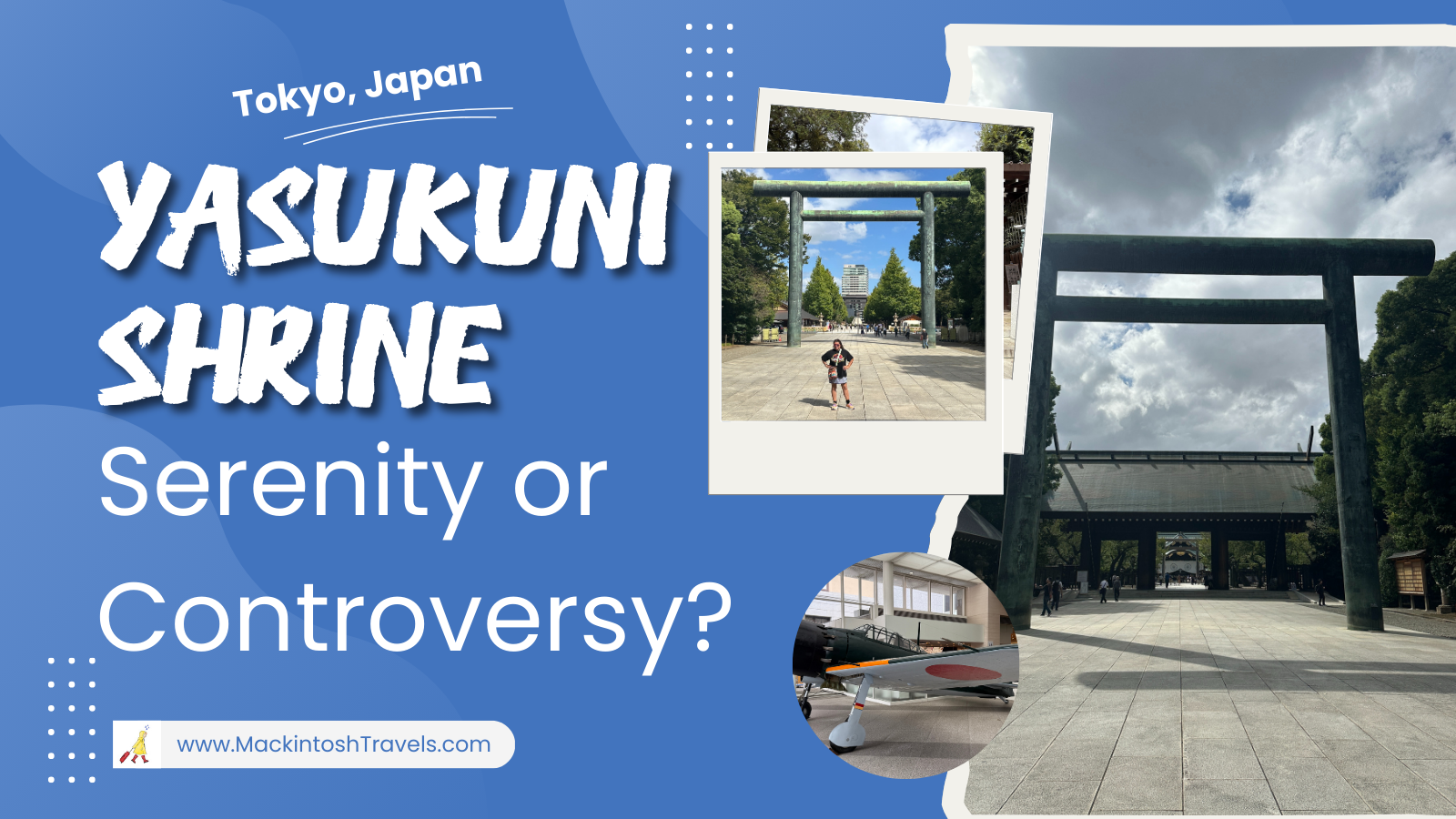
Tokyo is a city where modern skyscrapers, futuristic train stations, and ramen shops coexist with ancient shrines & temples that seem to whisper history in every wooden beam. Among these, Yasukuni Jinja Shrine stands out. It stands out not only for its serene beauty but also for the weight of history it carries. Visiting this shrine is less about snapping a few Instagram shots (though, you’ll certainly do that). It’s more about stepping into a place where Japan’s complicated past meets its present identity. And yes, like many great landmarks, it’s got a touch of controversy to keep things interesting.
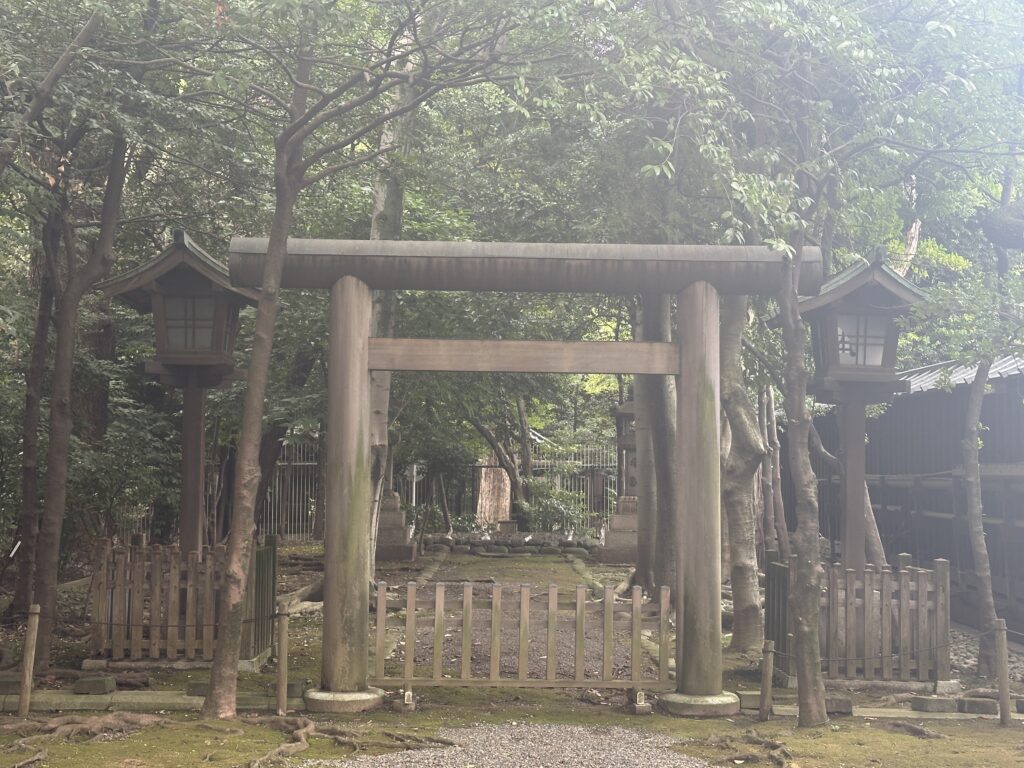
Located in Chiyoda, just a short stroll from Kudanshita Station, Yasukuni Jinja is a Shinto shrine dedicated to the spirits of those who died in service to Japan. Now, before you get any grim mental images, let me clarify. This is not some gloomy war memorial cloaked in shadows. Instead, it’s a peaceful sanctuary filled with lit pathways, Torii gates, and that unmistakable Shinto shrine charm. If you sit here a while you can almost hear the rustling of history in the leaves.
A Little Backstory (Or: How It All Began)
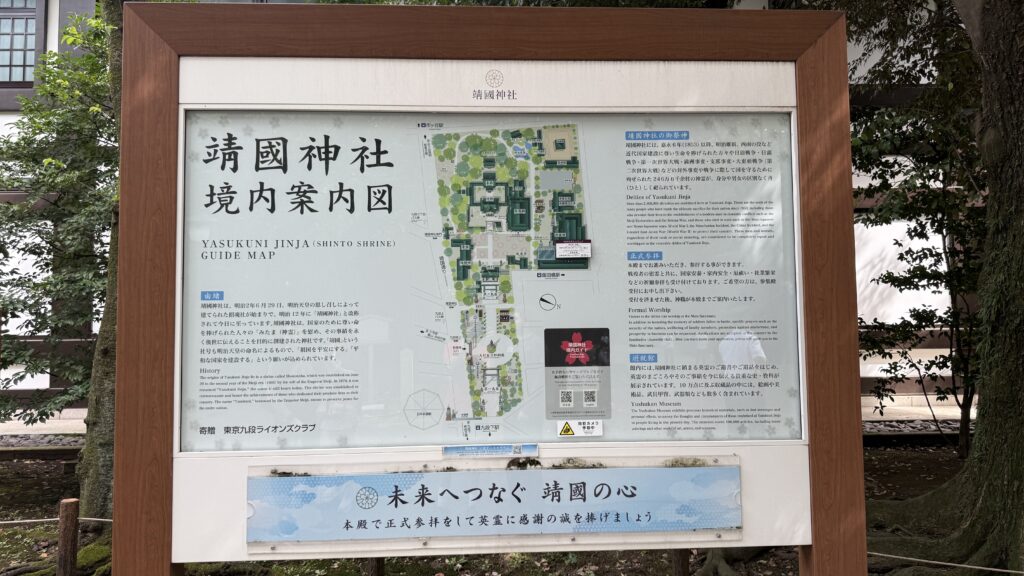
The shrine was established in 1869 by Emperor Meiji. It is originally named Tokyo Shokonsha, to commemorate those who died in the Boshin War. It was later renamed Yasukuni Jinja, which translates loosely to “Peaceful Country Shrine.” And here’s where the irony begins. The shrine was intended as a place of peace, yet the names it enshrines belong to those who died in wars. Over the decades, the list grew to include around 2.5 million souls—samurai, soldiers, doctors, and even civilian support workers who perished in conflicts from the 19th century right up through World War II.
For anyone wondering how exactly a shrine “enshrines” spirits, here’s the breakdown. In Shinto belief, once a name is recorded in the shrine’s registers, that person’s spirit is permanently housed there. Think of it as the spiritual equivalent of making it onto the guest list for eternity—no retractions, no edits. And yes, that has caused some awkward historical debates, but we’ll get to that.
First Impressions
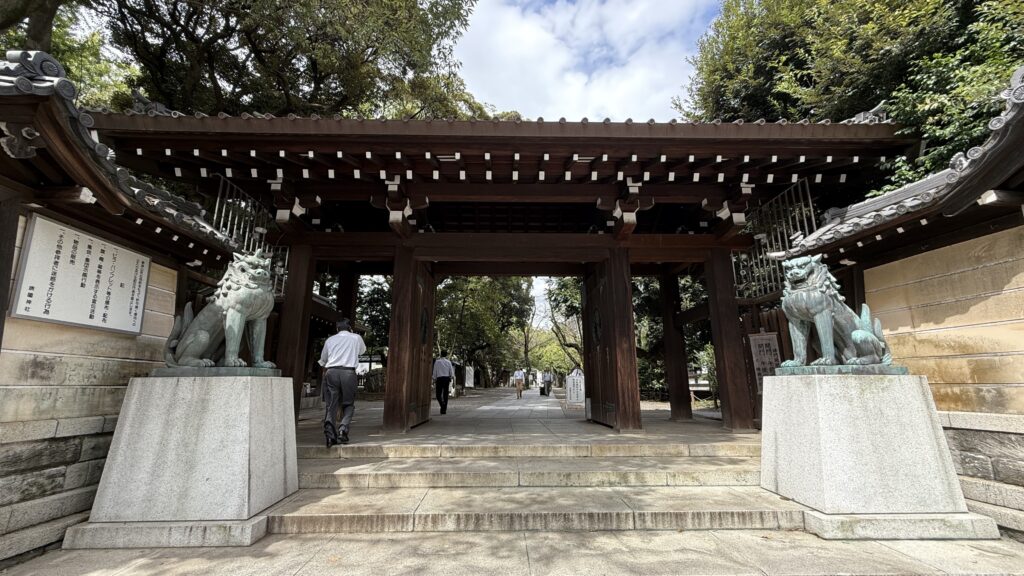
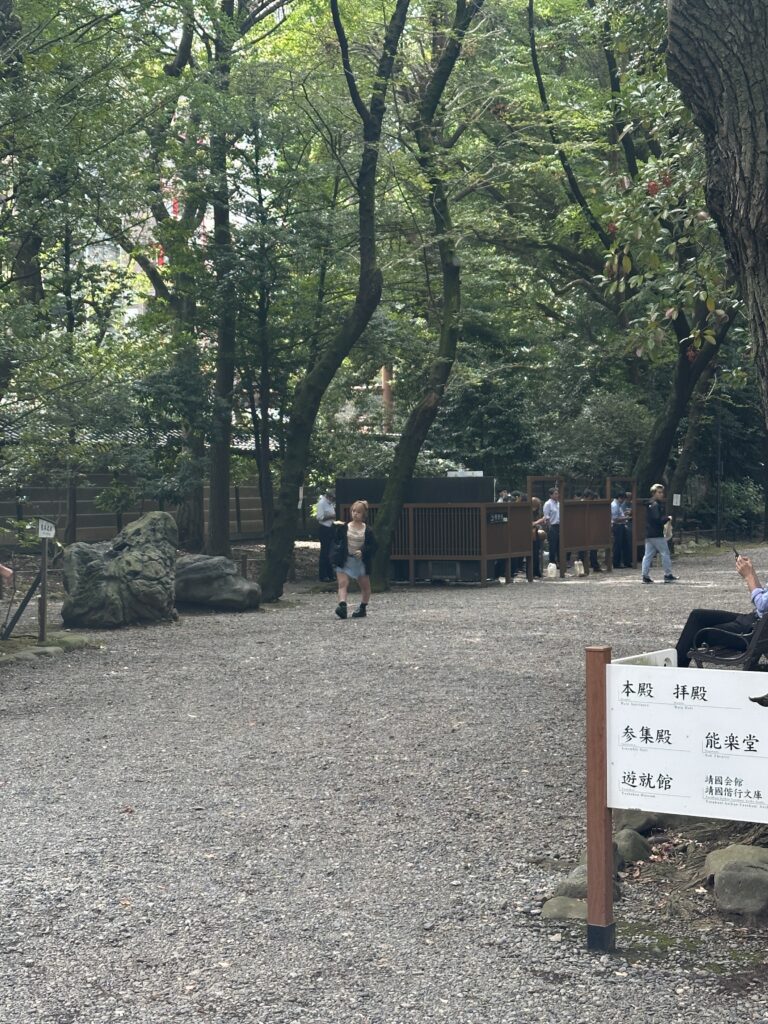
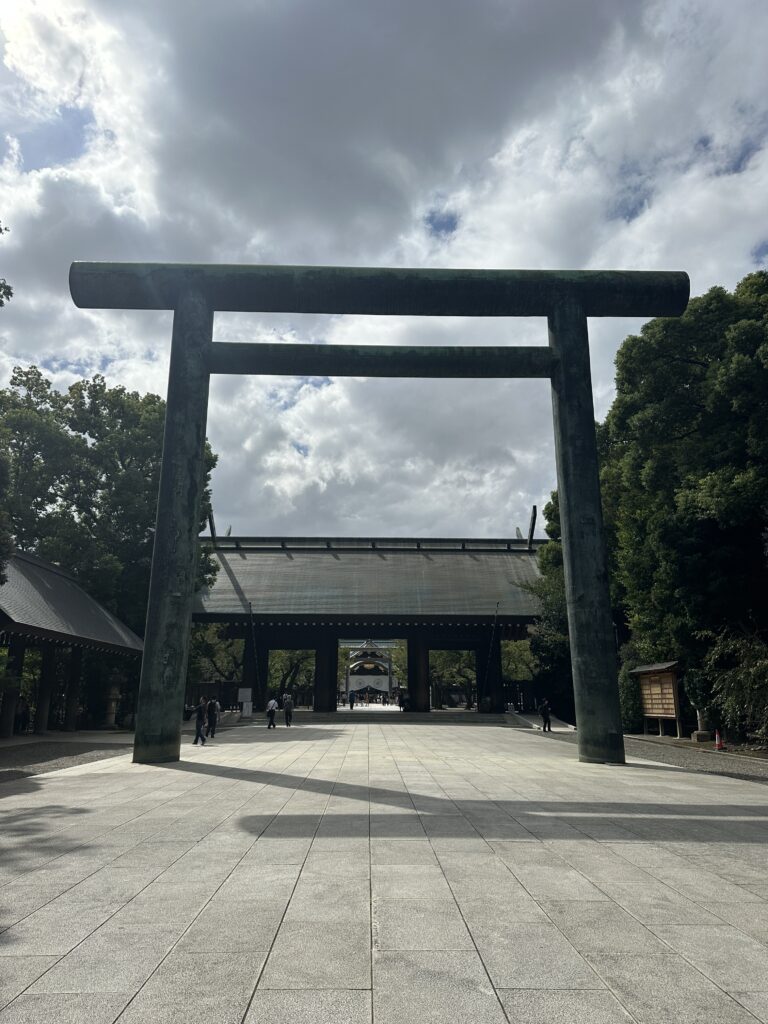
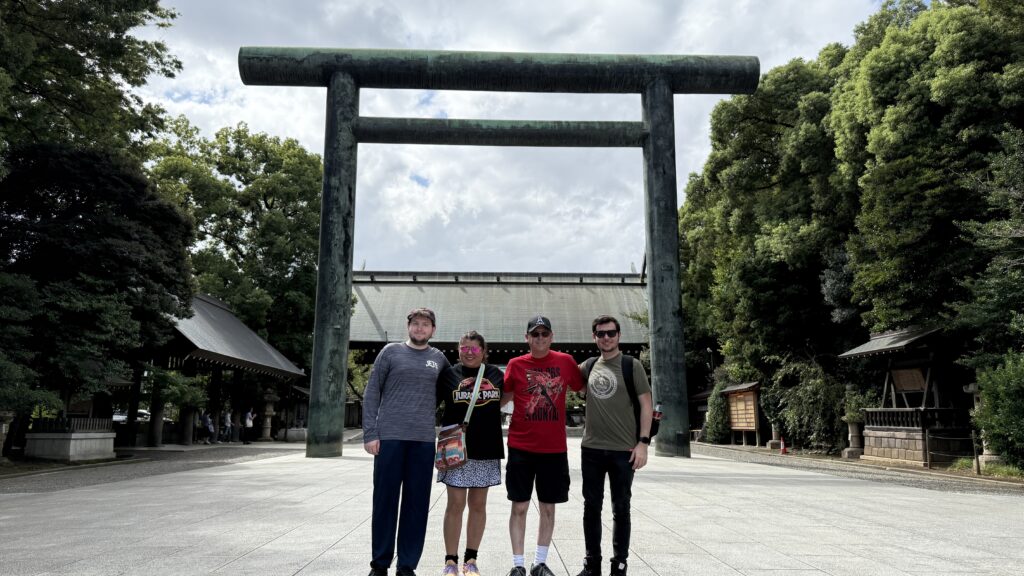
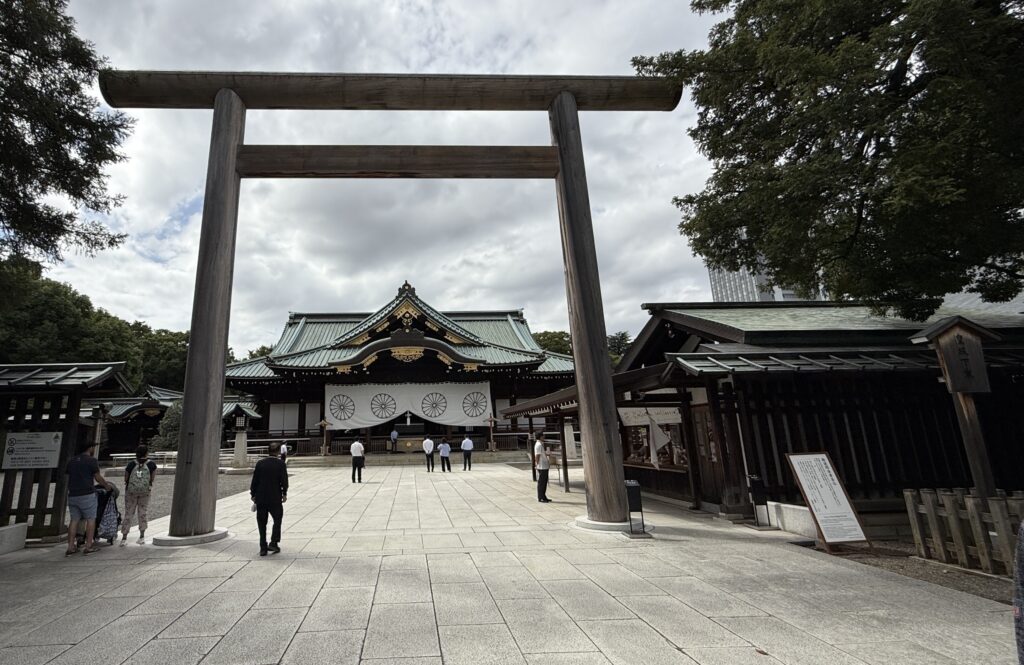
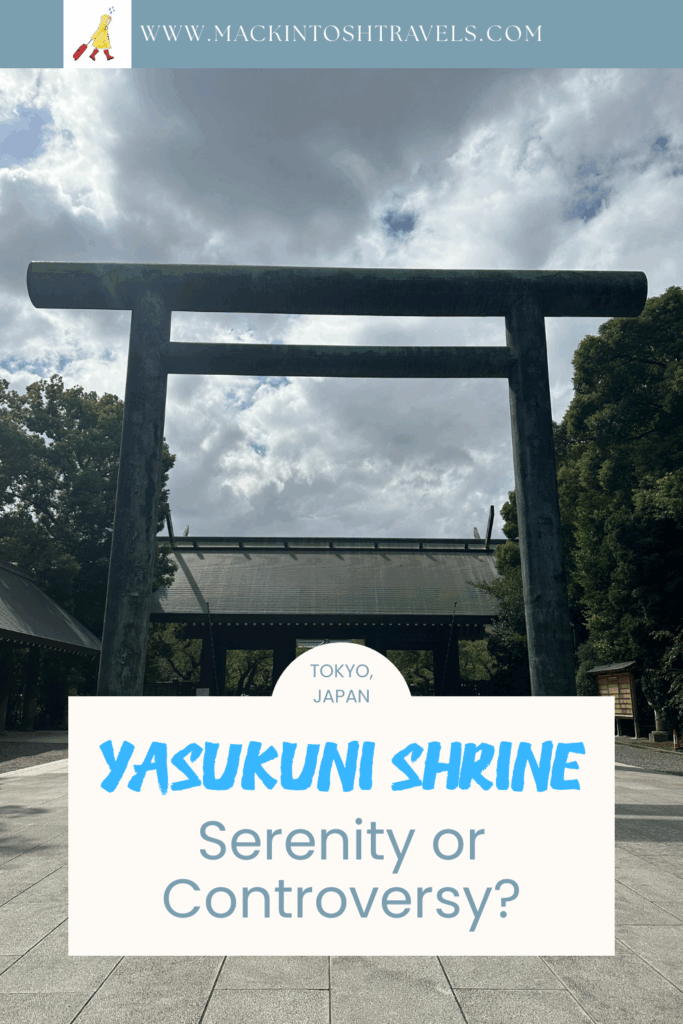
Walking up to Yasukuni Shrine, you’re greeted by the massive First Torii Gate. It stands tall like a bouncer for the spiritual world. In passing through you’ll find yourself on a wide stone path leading toward the shrine’s main hall.
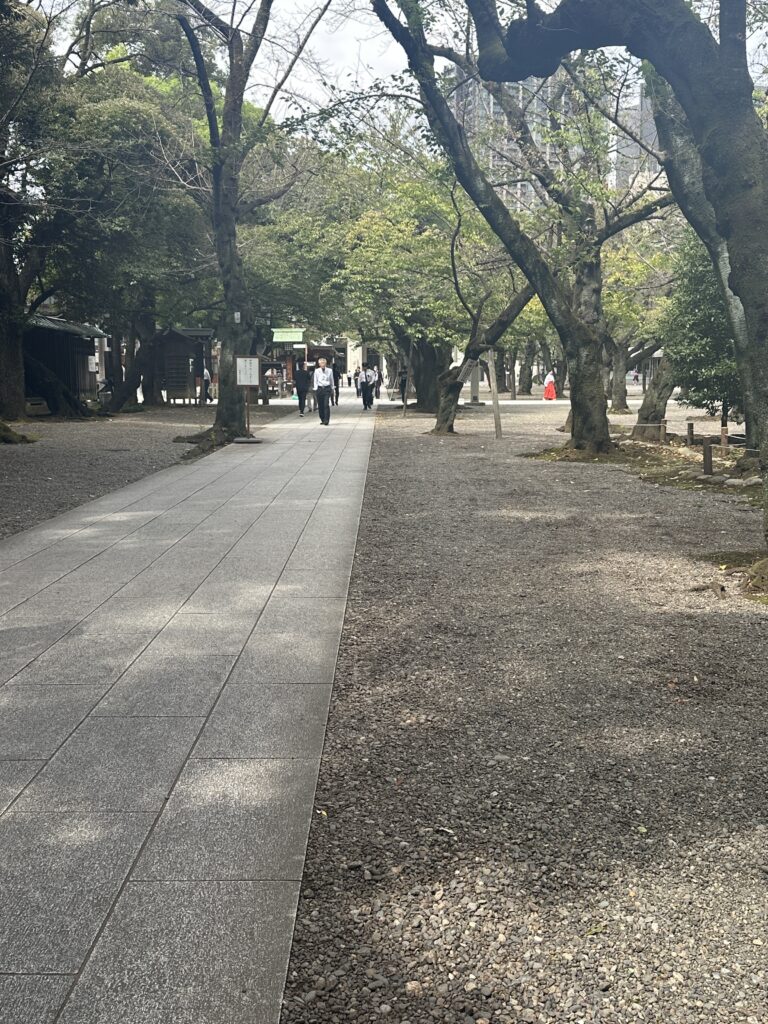
If you’re anything like me, you’ll notice the serenity first. Despite being in central Tokyo, the noise of the city seems to pause at the gates. The clattering of trains and minimal honking cars give way to the quiet crunch of gravel under your feet. This is very much a shrine in the traditional sense that it is designed to slow you down, to let you breathe, and to remind you that sometimes history deserves a quiet moment of reflection.
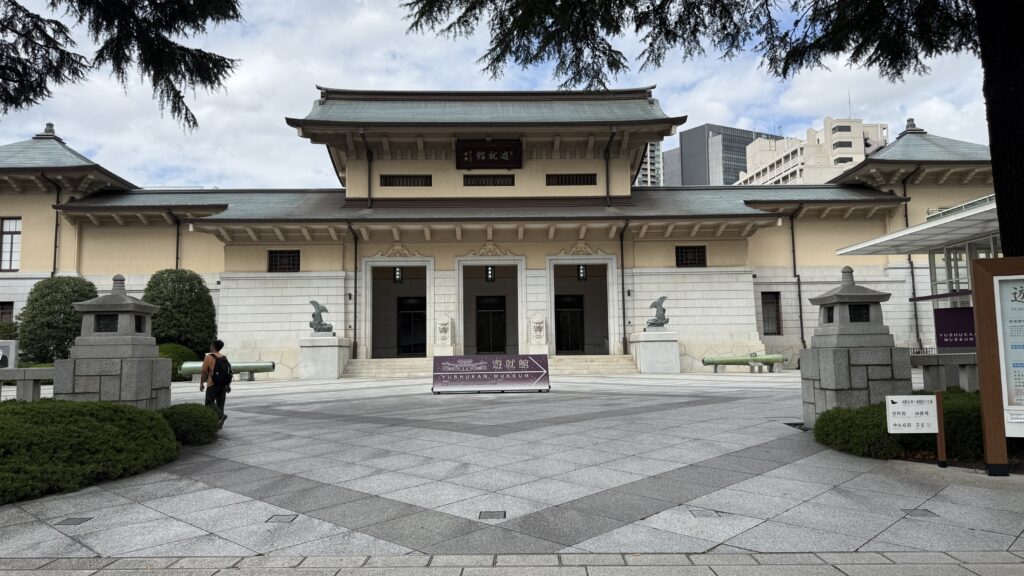
The Yushukan Museum
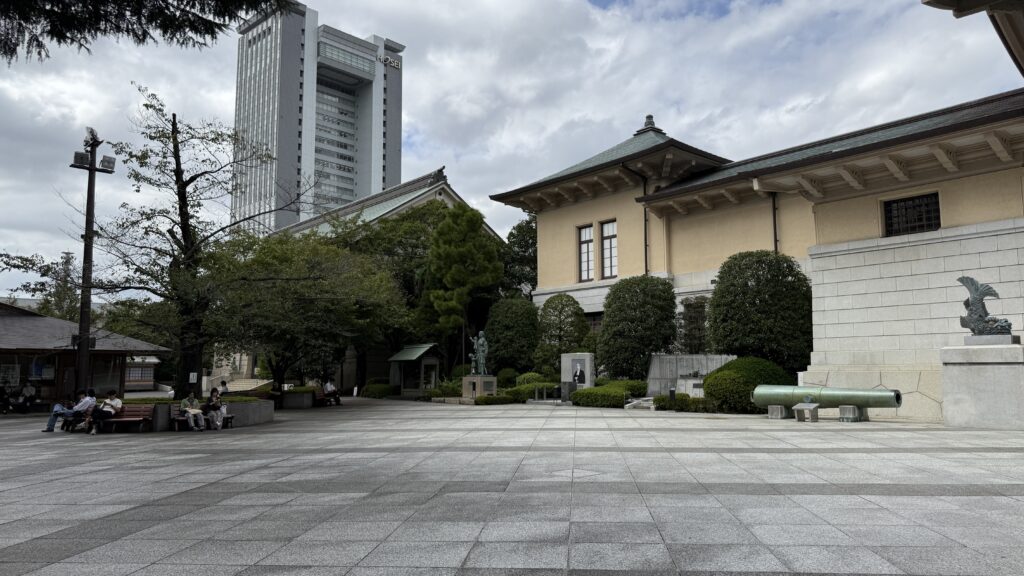
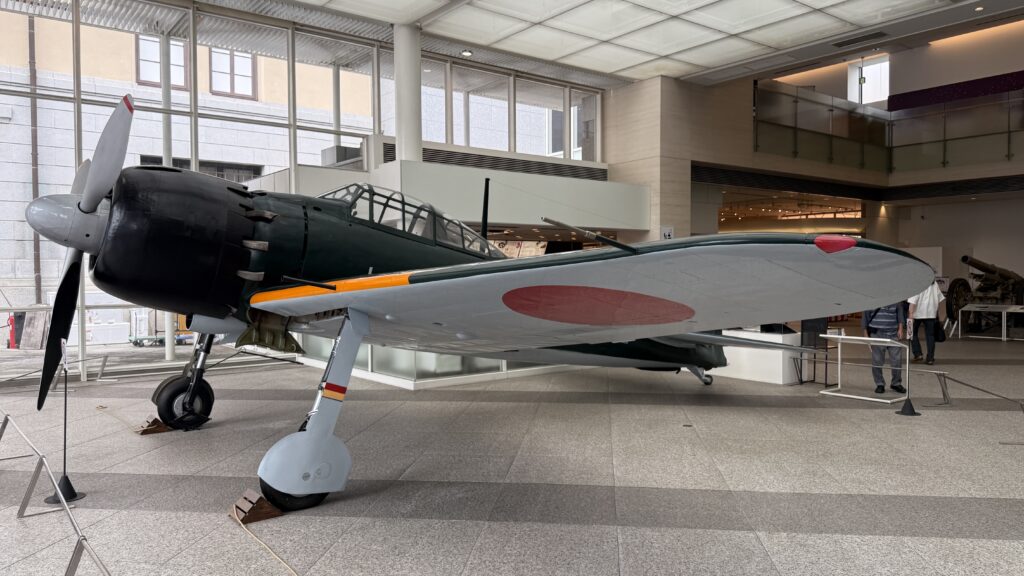
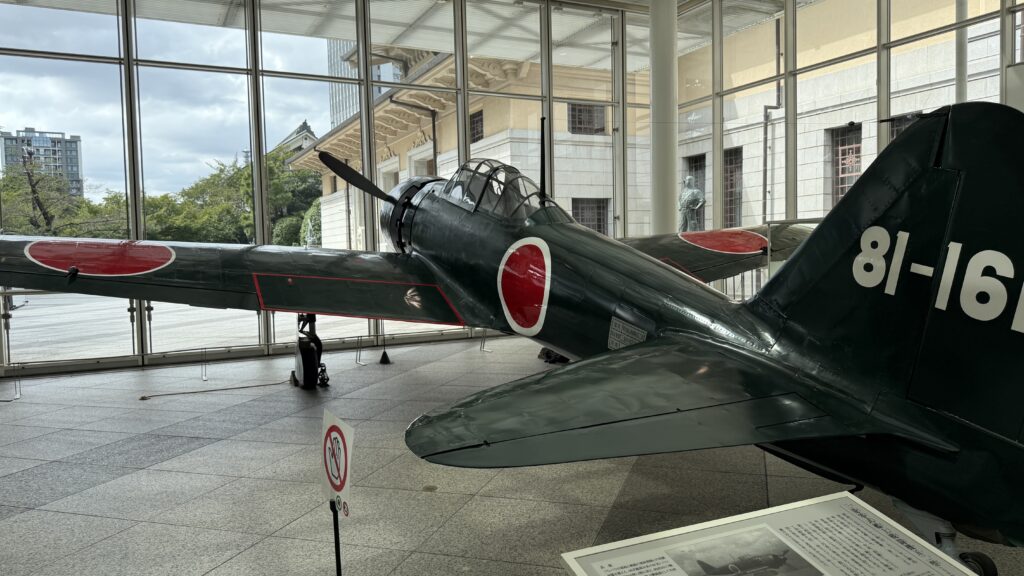
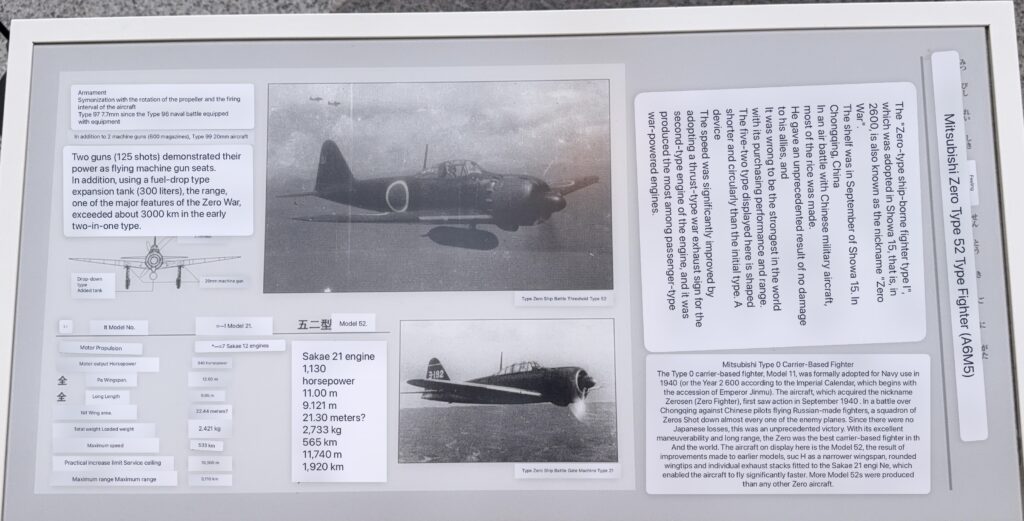
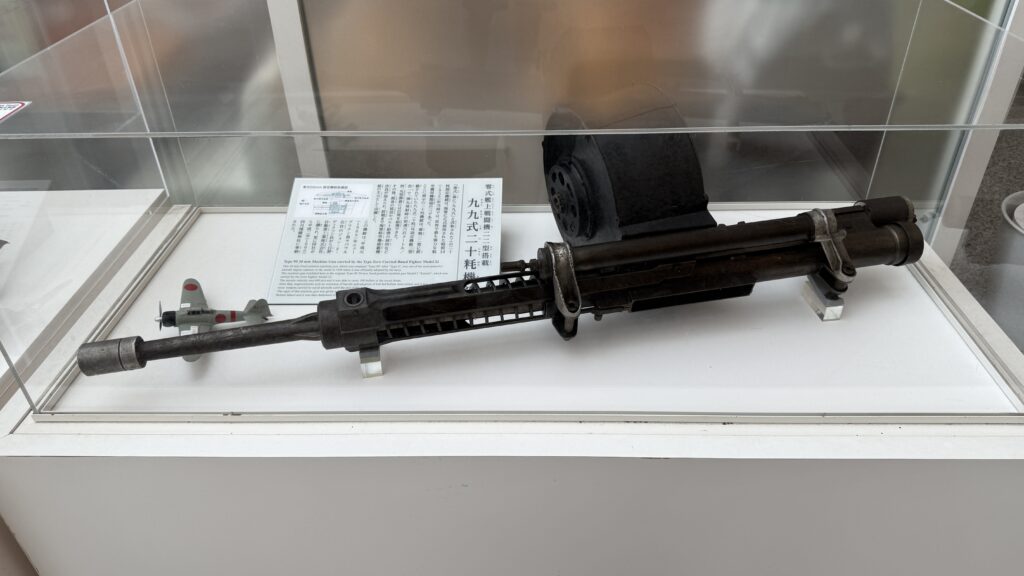
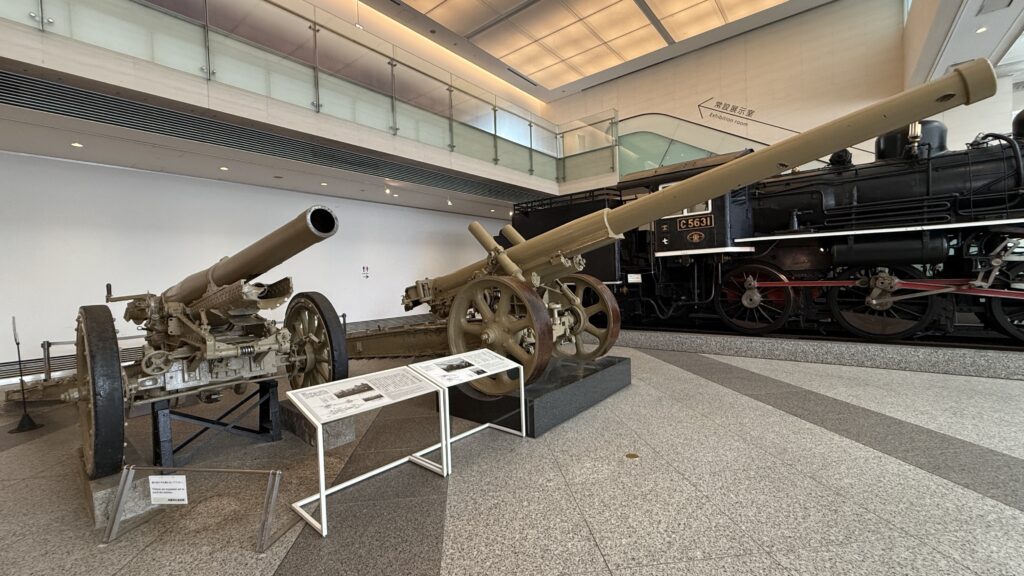
Ah yes, the museum. No visit to Yasukuni Shrine is complete without stopping by the Yūshūkan, the shrine’s attached museum. Established in 1882, it’s Japan’s oldest military museum, and it’s not shy about telling a story—though it does so in a very particular way. Exhibits range from samurai armor and Edo-period weaponry to tanks, Zero fighter planes, and letters written by soldiers before heading into battle.
Here’s where things get tricky. The museum tends to present Japan’s military history through a lens of honor and sacrifice, which, depending on your perspective, might feel like a nationalistic glossing-over of certain historical events. Let’s just say the narrative might not perfectly align with your high school World War II history textbook. That said, it is undeniably fascinating. Even if you disagree with the framing, the artifacts themselves are compelling, and the museum gives a window into how Japan has chosen to remember its warriors.
A Place of Beauty and Ritual
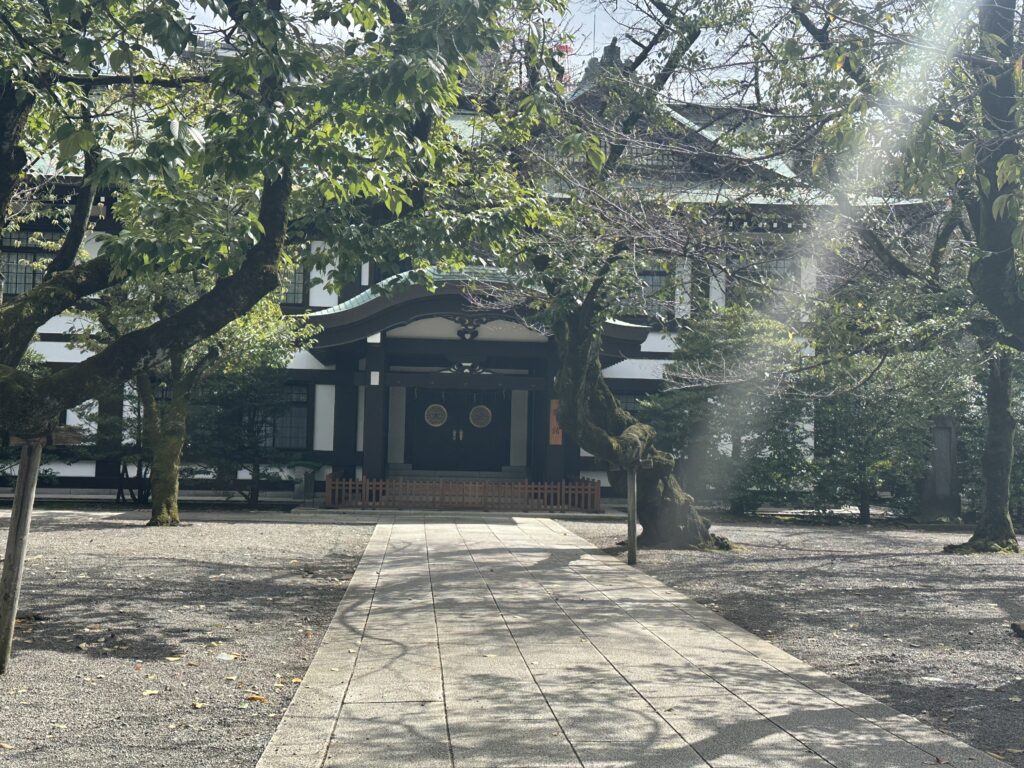
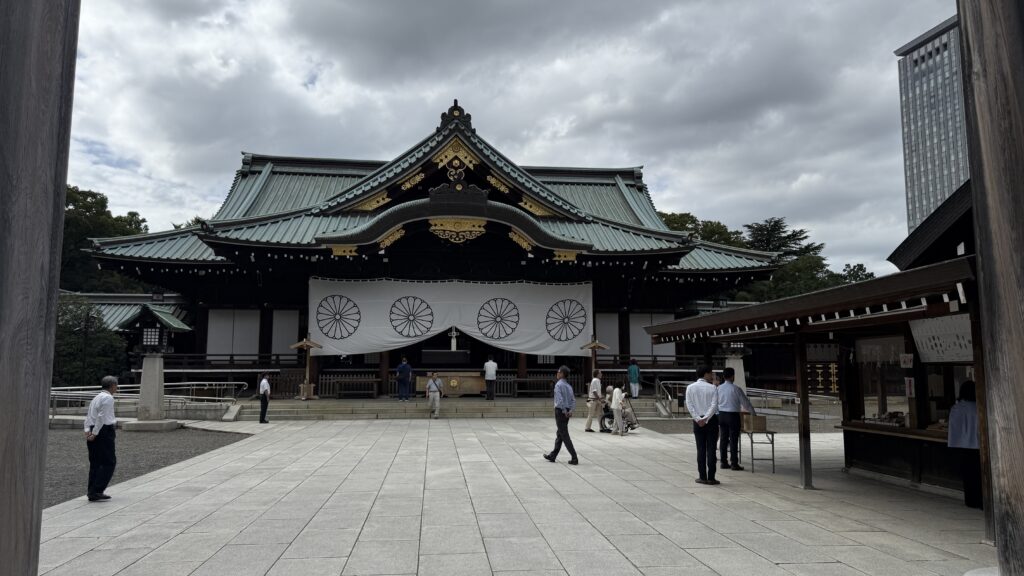
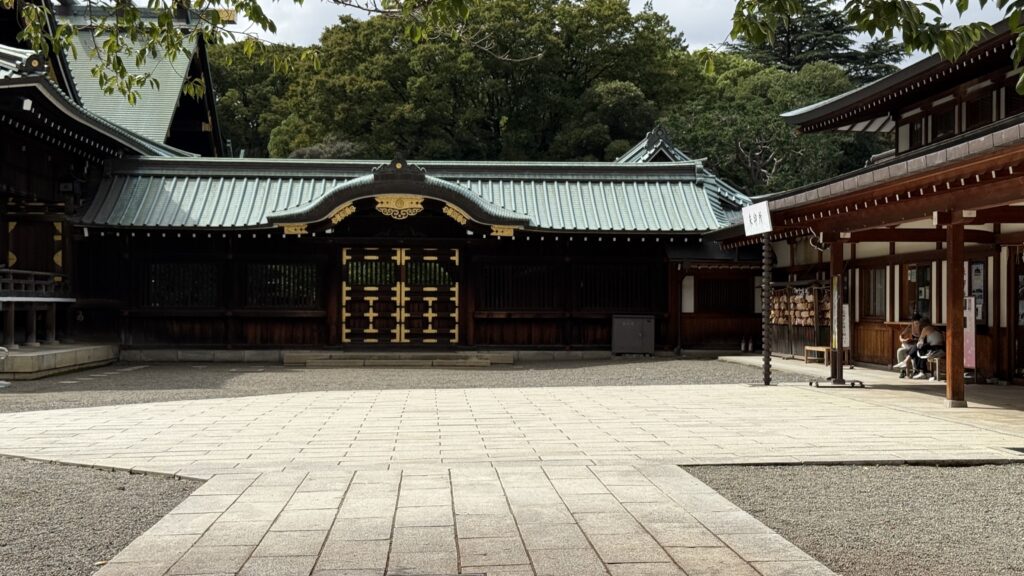
Controversies aside, Yasukuni Shrine is genuinely beautiful. The honden (main hall) is a classic piece of Shinto architecture (which I love exquisite architecture), with sloping tiled roofs, crisp wooden beams, and golden details that shimmer when the sunlight hits just right. Rituals here are very much alive—visitors bow at the gates, purify their hands and mouths at the chozuya (water basin), and offer prayers inside the hall.
If you’re lucky enough to visit during a festival, Yasukuni really comes to life. We traveled in the fall so this was something we didn’t experience. However, in summer, the Mitama Matsuri draws thousands of lanterns—over 30,000 of them—lining the approach to the shrine in a glowing sea of gold. It’s a sight that’s both mesmerizing and slightly surreal, like walking through a dream where history, spirituality, and modern Tokyo all blur together.
The Controversy Factor
Of course, we can’t talk about Yasukuni Shrine without addressing the elephant in the courtyard. Among the millions enshrined here are fourteen Class-A war criminals from World War II, including General Hideki Tojo. Their enshrinement in 1978 sparked outrage both in Japan and abroad, particularly in China and South Korea, who view official visits by Japanese politicians as acts of historical revisionism.
So, is Yasukuni Jinja a place of peace or a political lightning rod? Honestly, it’s both. For many Japanese people, it’s simply a site to honor ancestors and remember loved ones lost to war. For others, it symbolizes a more problematic approach to dealing with wartime memory. For travelers, it’s an opportunity to see how history continues to live in the present, and how a single place can carry multiple, sometimes conflicting meanings.
Visiting Today
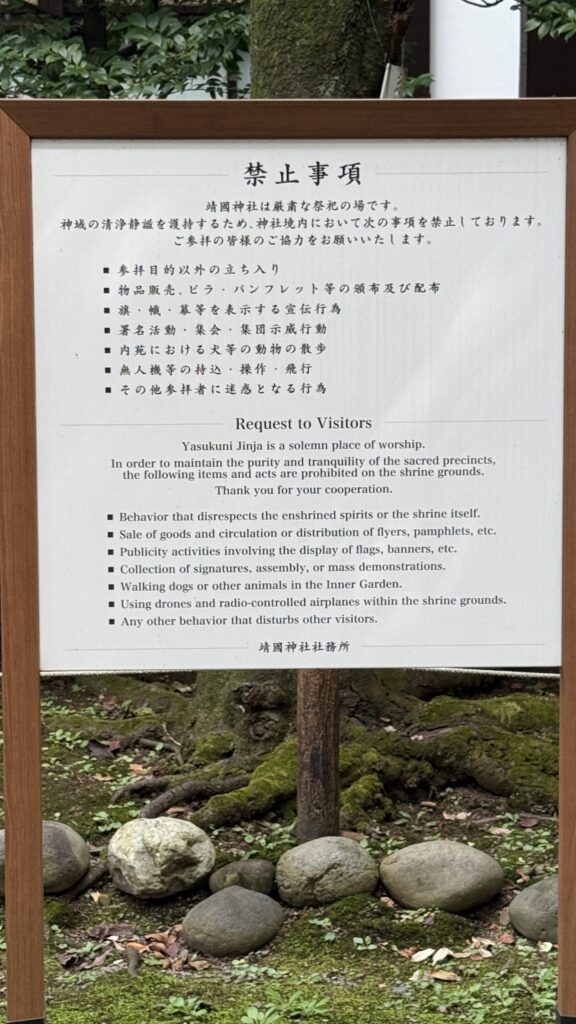
If you’re planning a visit, the shrine is open daily and free to enter. Although, the museum charges a small fee. Photography is welcome in most areas, but, as always with Shinto shrines, respect is key. This is still an active spiritual site. Don’t skip the souvenir shop. It sells all kinds of unique trinkets and such. They make good keepsakes & gifts.
Whether you’re drawn to Yasukuni for its architecture, its gardens, its festivals, or its complicated history, it offers an experience that’s richer than your average sightseeing stop. It’s a place that you should definitely visit if it’s your first time in Tokyo. It challenges you to think, to observe, and to understand that history is never as neat and tidy as guidebooks/history books would like us to believe.
My Final Note
Yasukuni Jinja Shrine is not your run-of-the-mill Tokyo attraction. It doesn’t serve up kawaii cuteness like Harajuku or futuristic sparkle like Shibuya Crossing. Instead, it offers something quieter, more layered, and perhaps more unsettling: a direct encounter with history and memory.
Visiting here isn’t about deciding who’s right or wrong—it’s about stepping into a space that embodies Japan’s struggles with its past and its hopes for peace. And yes, even with its controversies, it remains a deeply beautiful, spiritual place.
So if you find yourself in Tokyo with a free afternoon, wander over to Kudanshita, step through that first torii gate, and let Yasukuni Jinja unfold before you. You may leave with more questions than answers, but isn’t that the best kind of travel experience?
If you have a specific question about this post, please email me.
Tokyo is a city that knows how to blend tradition and modernism so seamlessly that sometimes you don’t even notice the shift until you step back and take it in. One moment you’re strolling through the quiet grounds of an ancient shrine with wooden lanterns …
Have you ever walked into a business and your mouth just dropped? High-tech businesses with great concepts is the future and this innovative robot cafe is just that! DAWN Avatar Robot Cafe in Tokyo, Japan employs disabled people to be the faces behind the robots. …
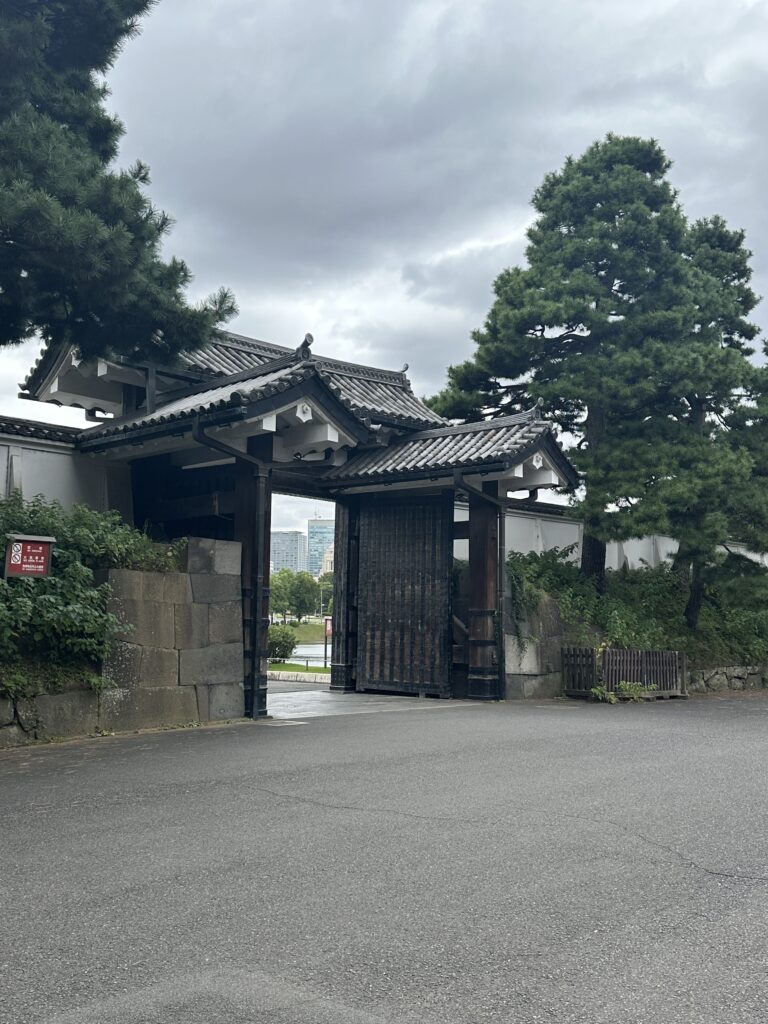
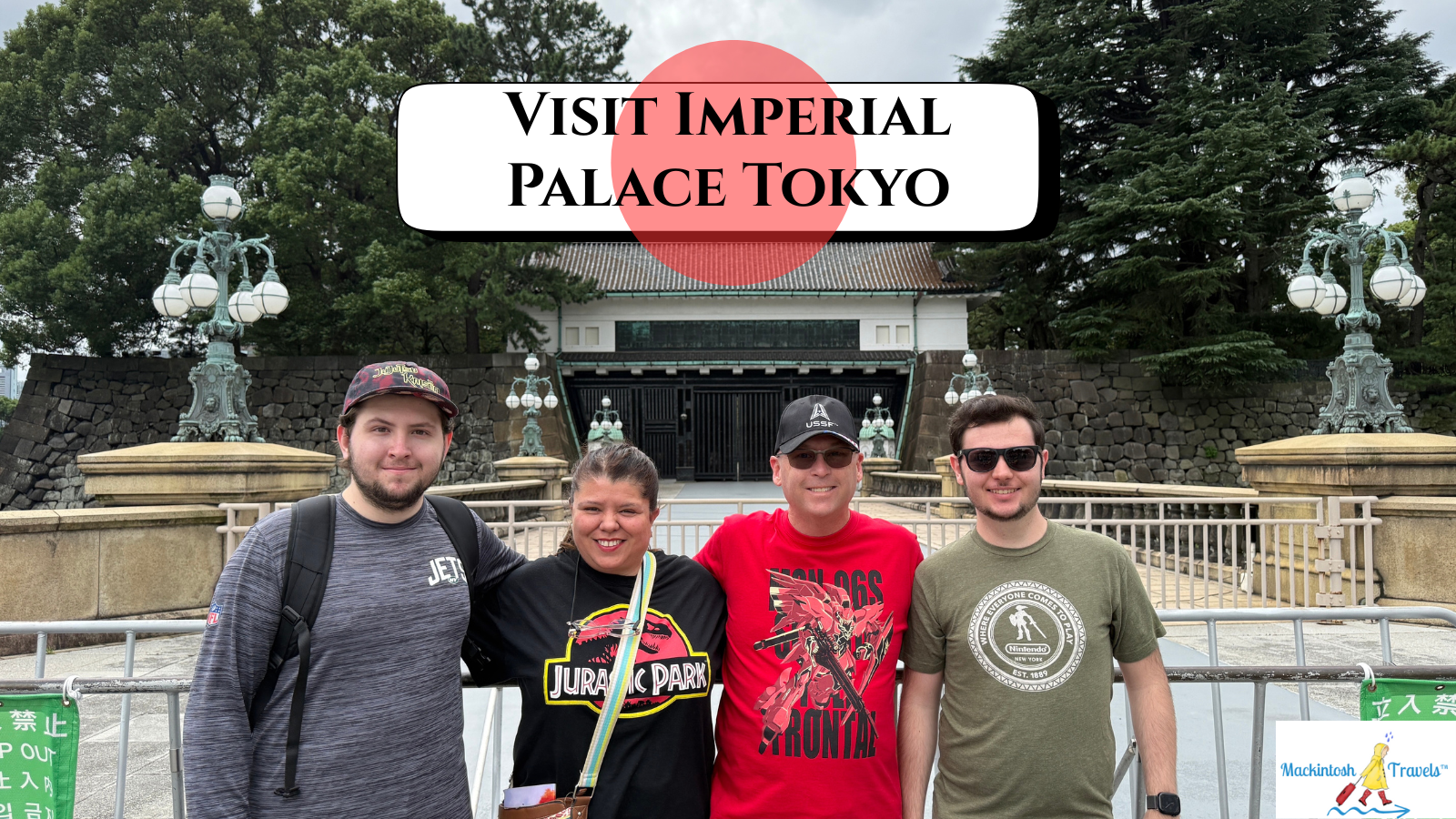
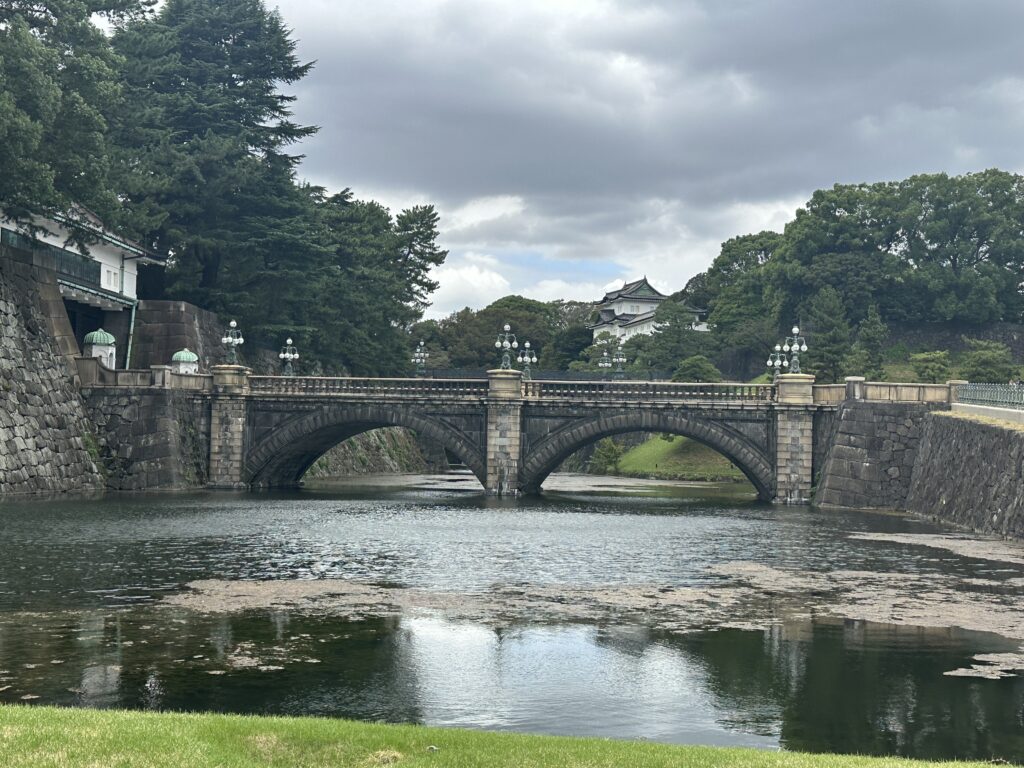
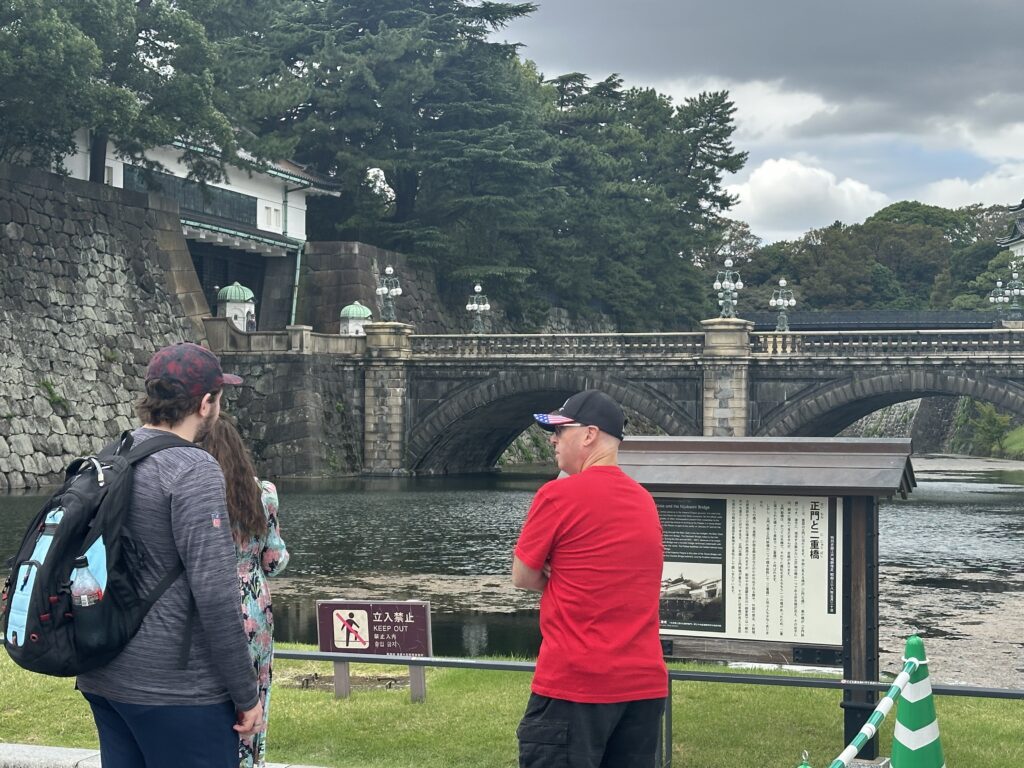
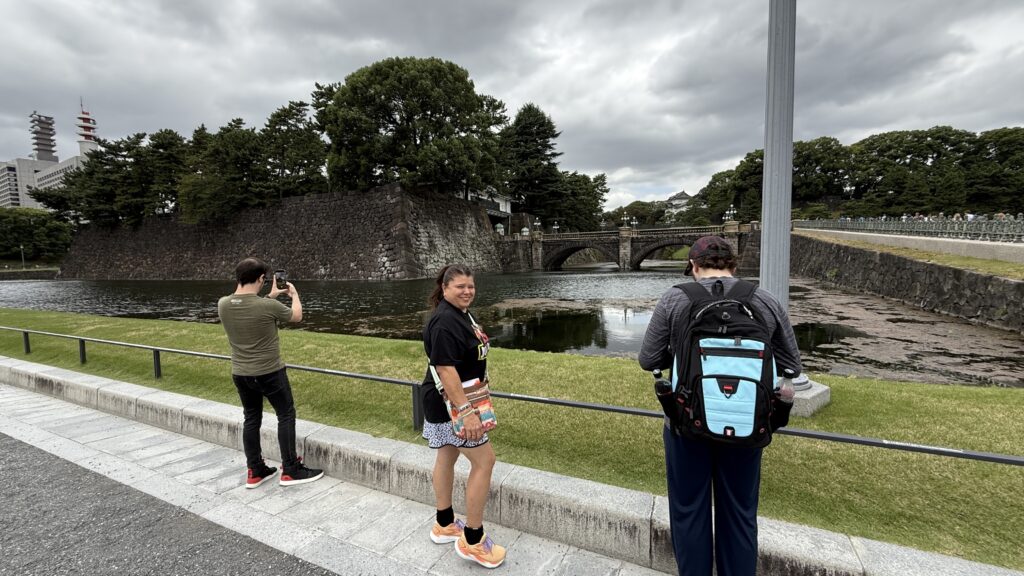
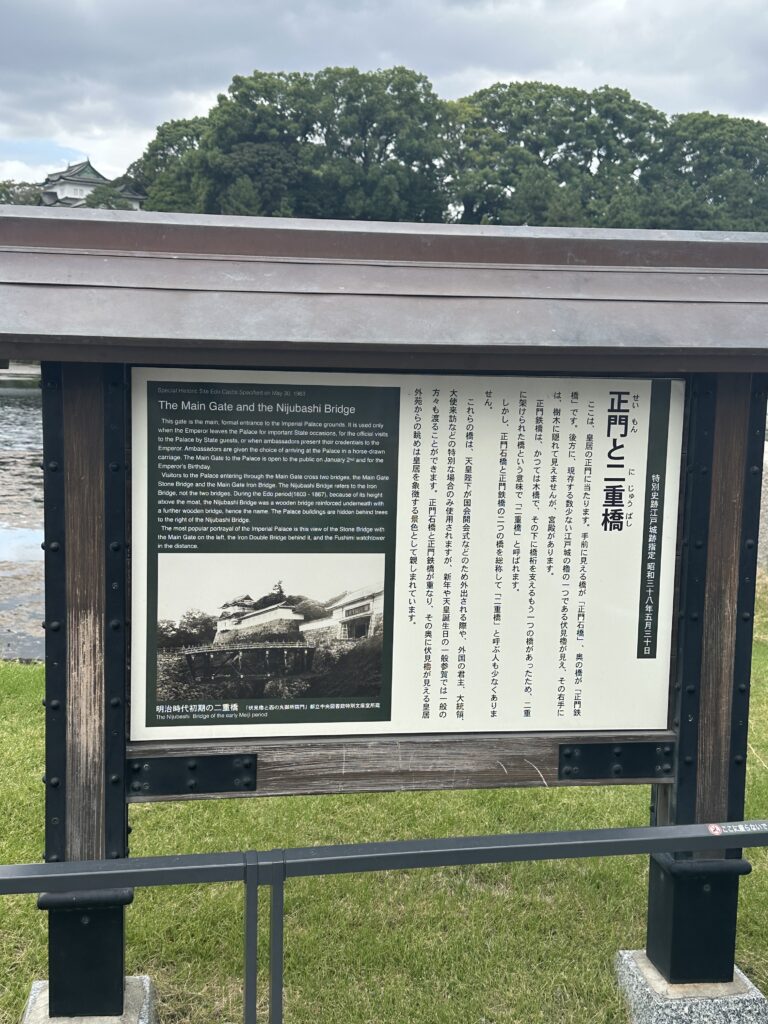
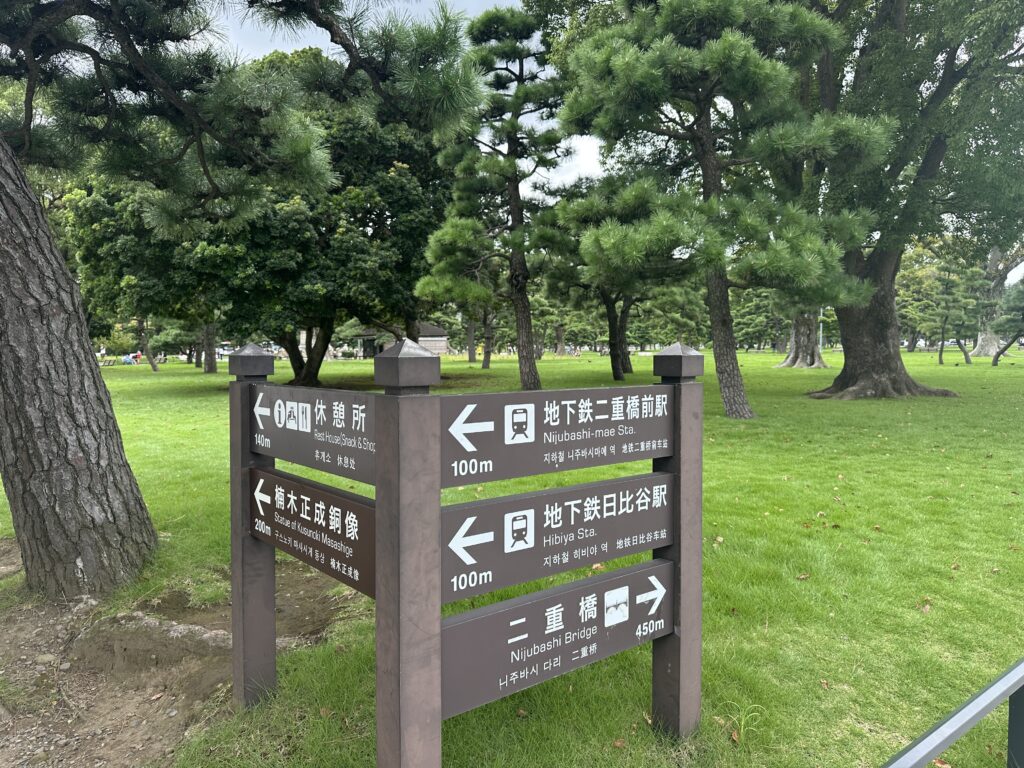
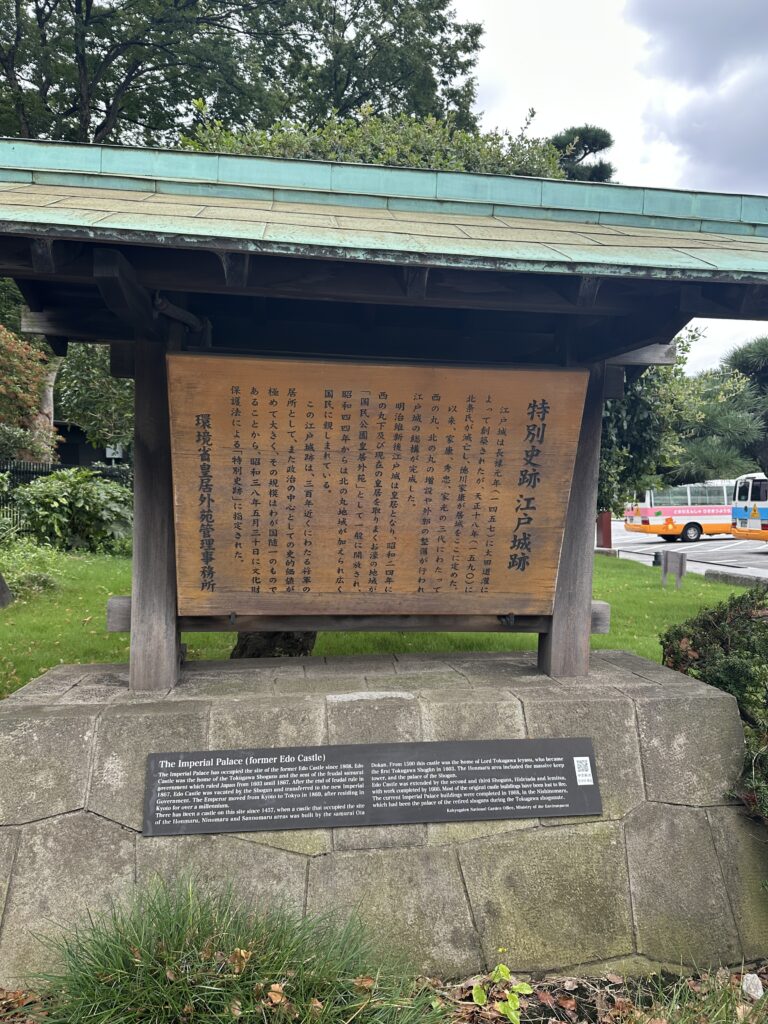
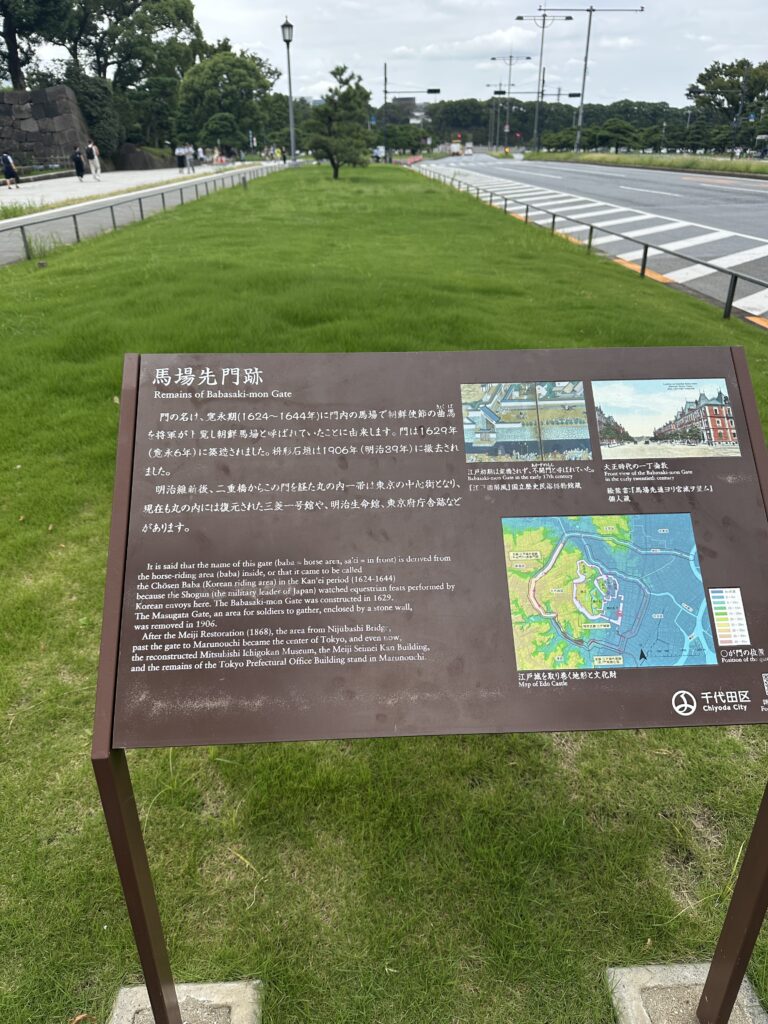
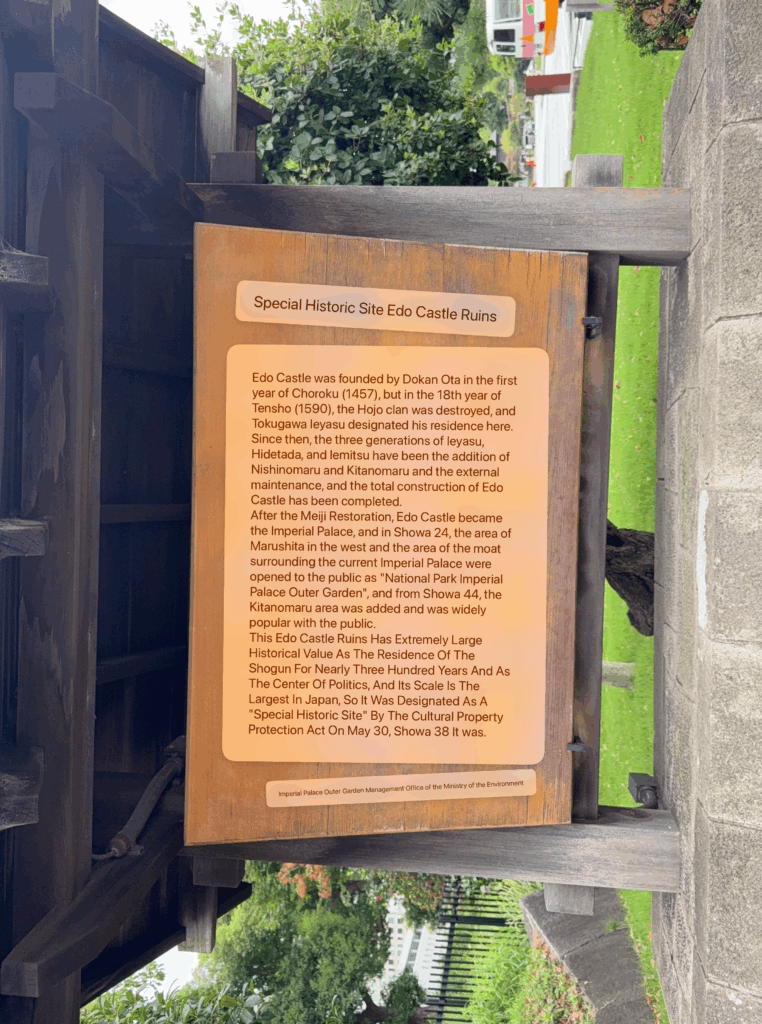
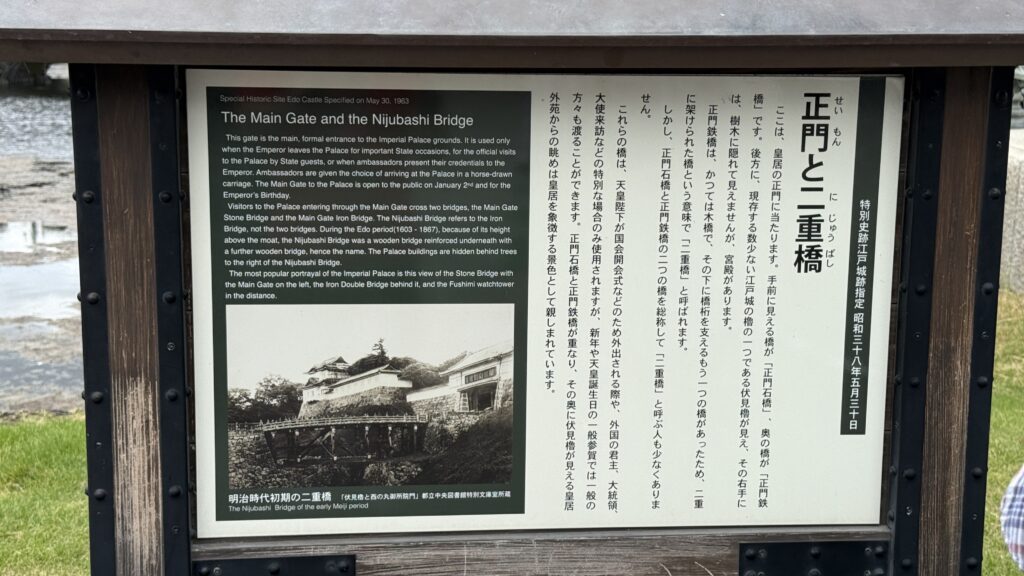
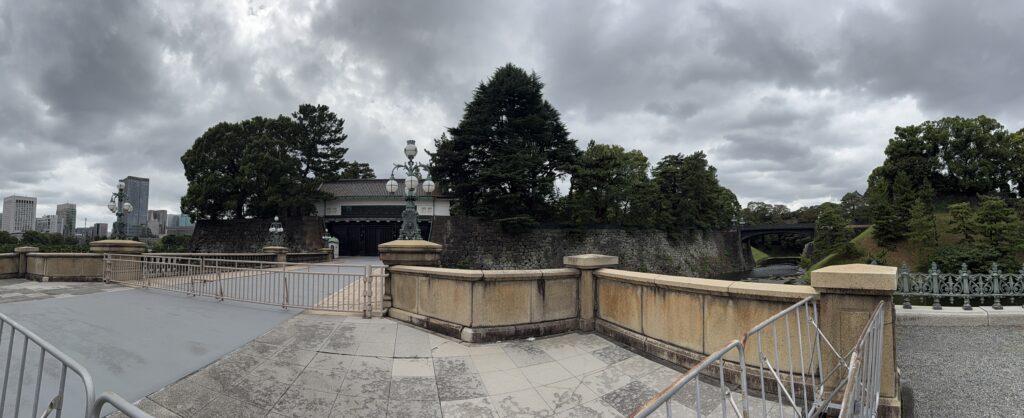
A Tokyo Imperial Palace visit is like someone just threw me from the modern Nijubashimae Station into the Edo period. You can also arrive at the Otemachi Station from the Tokyo Station connection to arrive at the Imperial Palace. The Tokyo Imperial Palace will leave you breathless! You will travel back to a time where you can just imagine the imperial family of Japan living here. Make sure you make time to visit Imperial Palace Tokyo!
How to visit the Imperial Palace
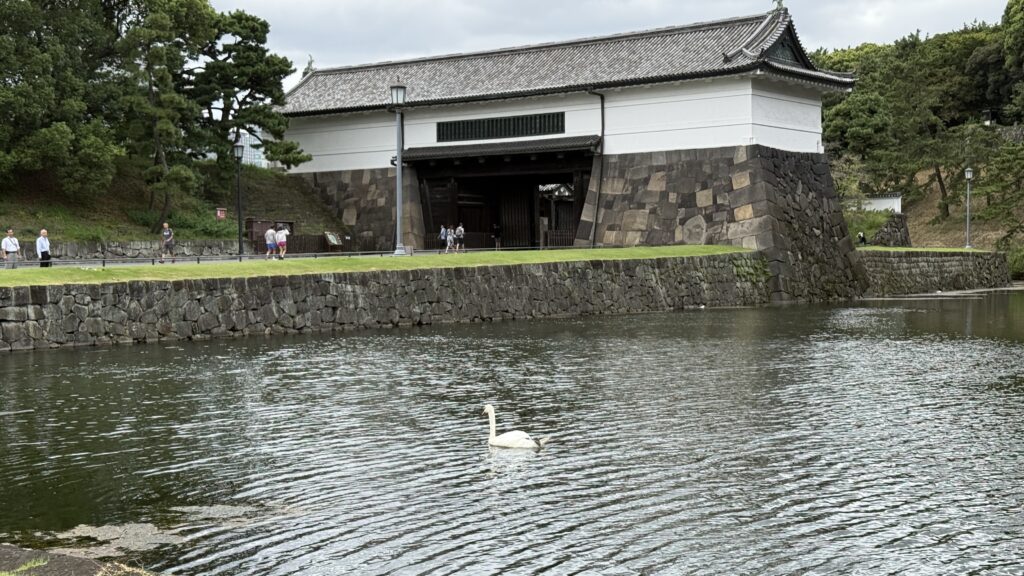
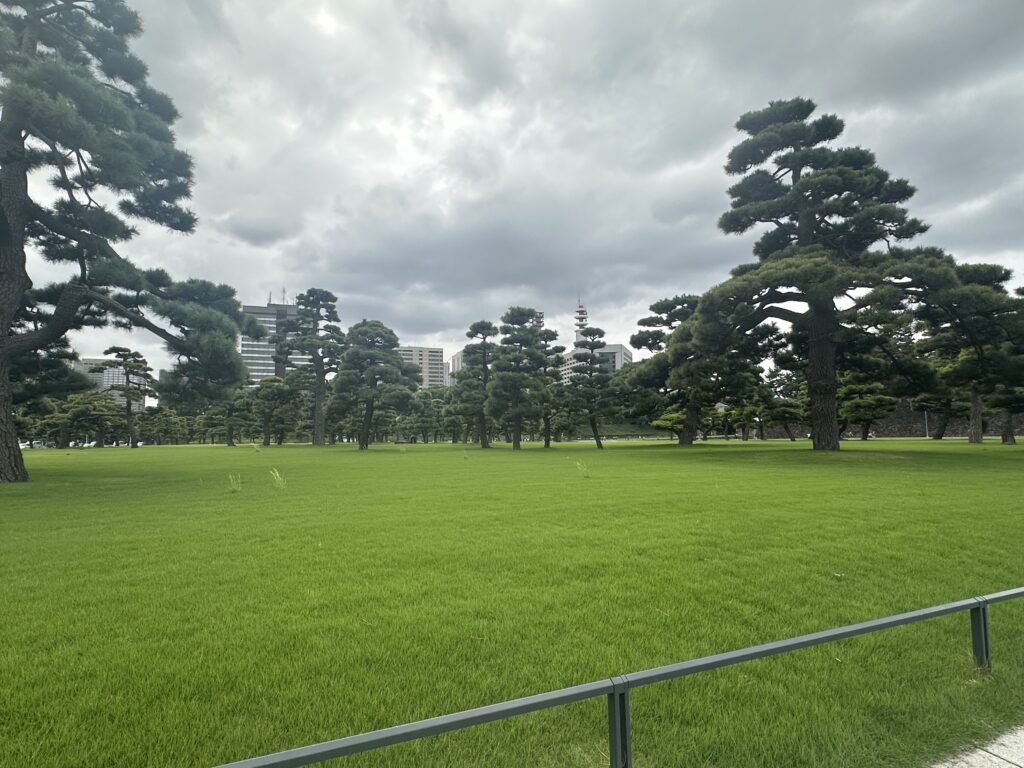
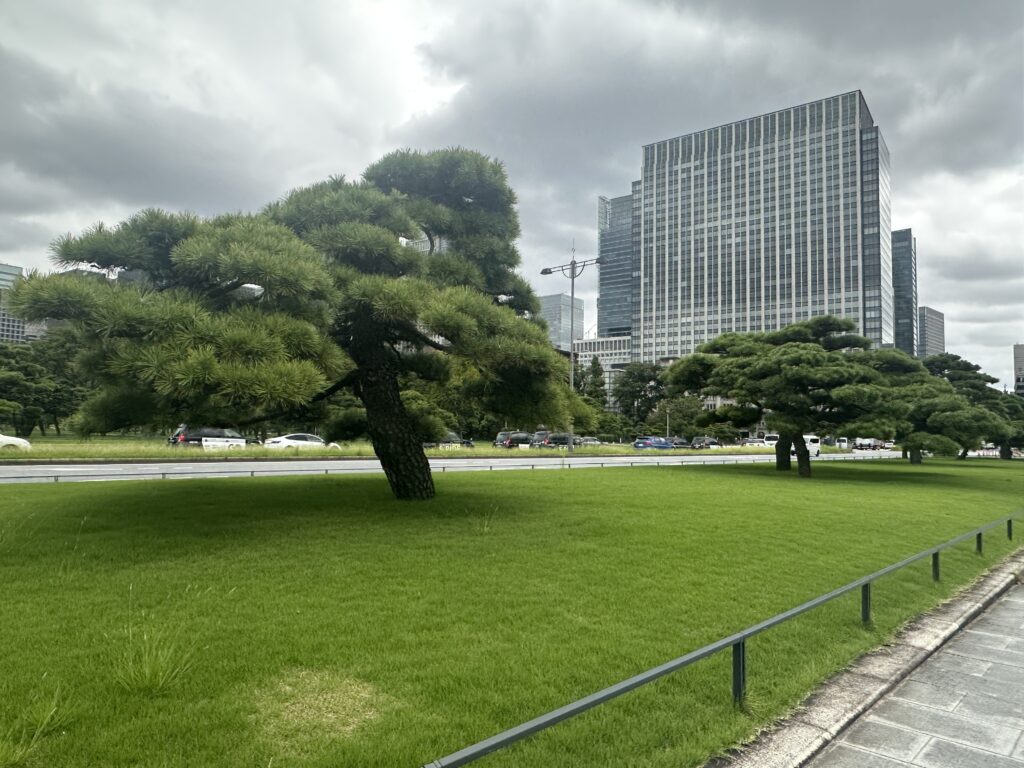
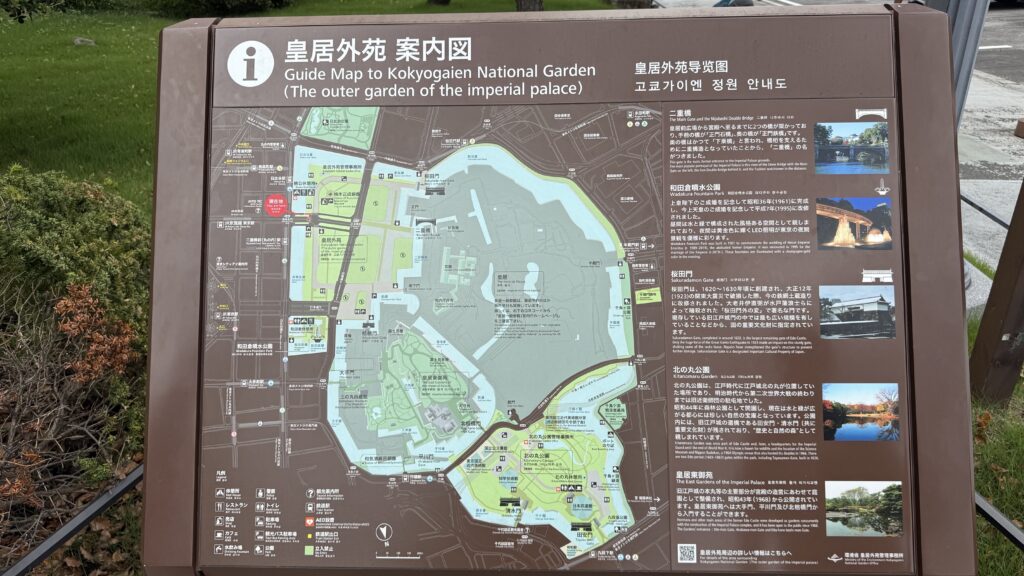
Visiting the imperial palace grounds and imperial household is free. You can view the outer area of this Edo castle on your own. No tour guide is necessary. You can also walk through the Kikyomon gate and view the three main garden areas of this palace. Those garden areas are Kitanomaru Park, Imperial Palace East Gardens, and Kokyogaien National Garden.
Reserving guided tour
You will, however, need to reserve free guided tours. Those tours are available in Japanese with audio apps in English plus five other languages. Make reservations to see the inner grounds & the national family home indoors. As all things when visiting Japan, I would personally not procrastinate in reserving anything way ahead of time.
Best time to go
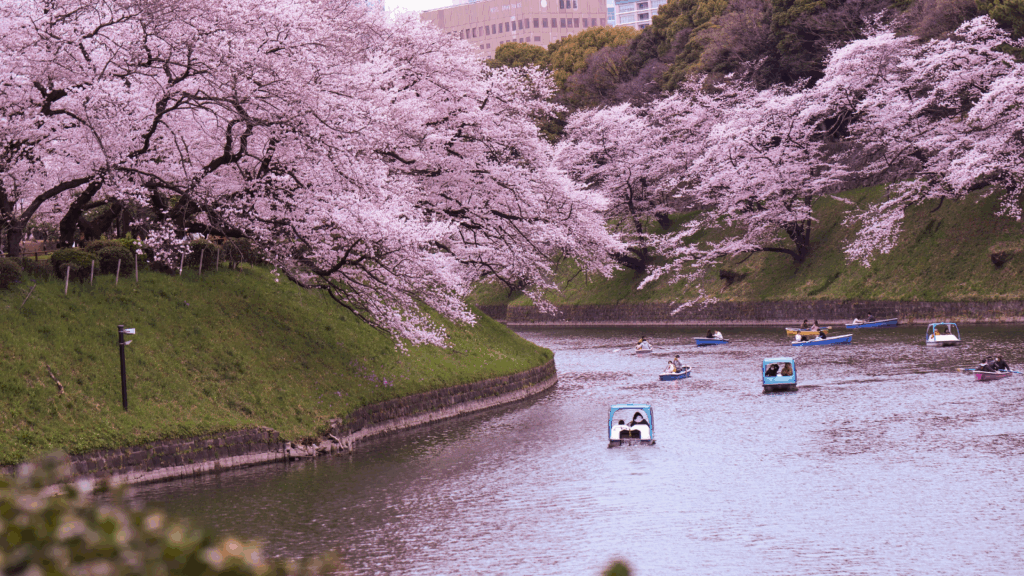
One of the best times to visit the gardens is during the cherry blossom season. It looks absolutely beautiful! Our family visited in early October so we didn’t witness any cherry blossoms.
{Photo by Canva}
When cherry blossom bloom
Cherry blossom season runs between late March and early April, but there is a small window of opportunity. Between March 29th and April 6th is peak season, so plan accordingly if this is something you wish to experience.
Meet the royal family
Traveling beginning of January? On January 2nd you will definitely want to visit because the Imperial Household Agency opens the gates to the public. This is in celebration of the New Year. You can view the inner palace grounds and the Imperial family will greet visitors. It’s truly a rare & special occasion!
Guards galore
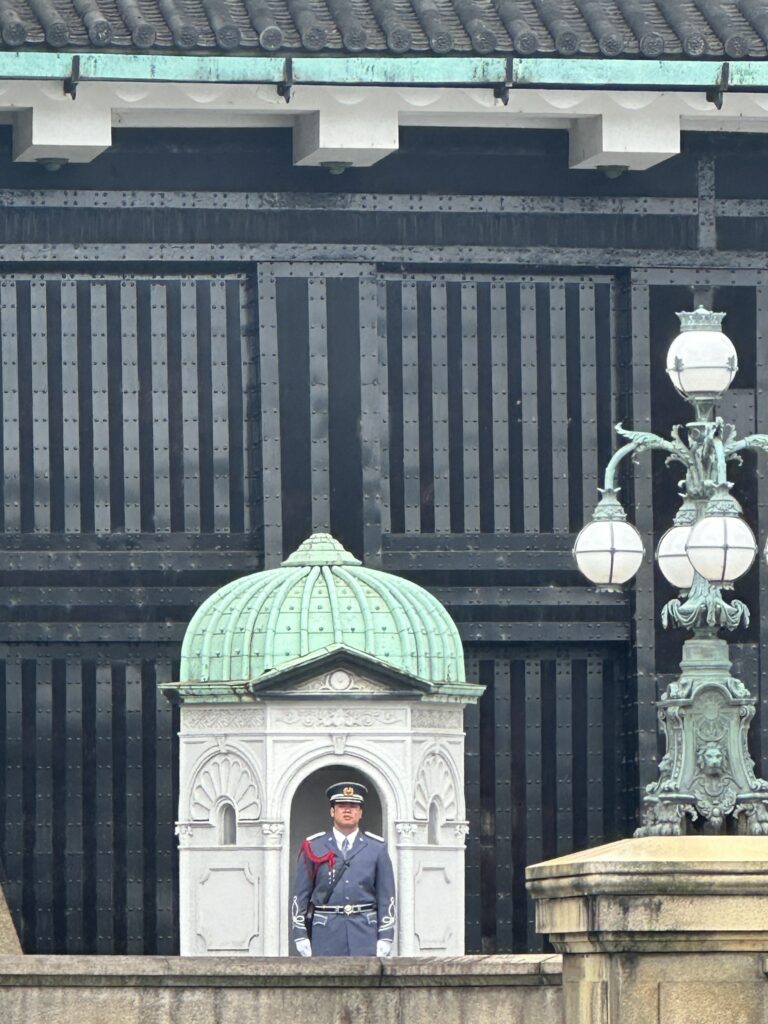
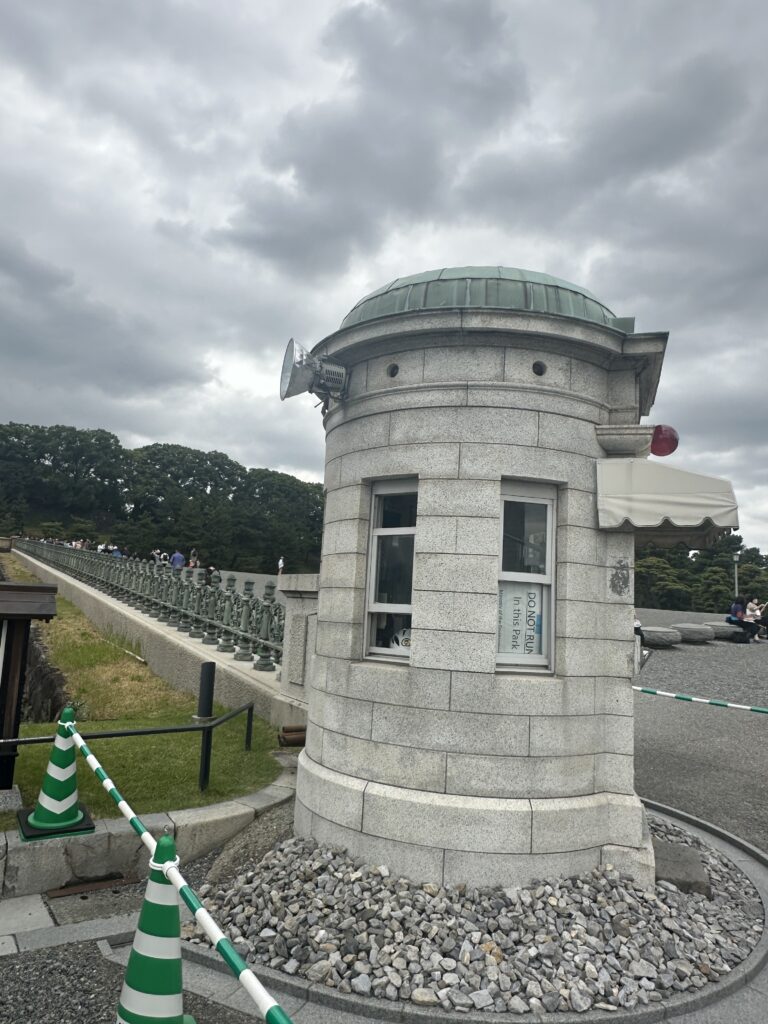
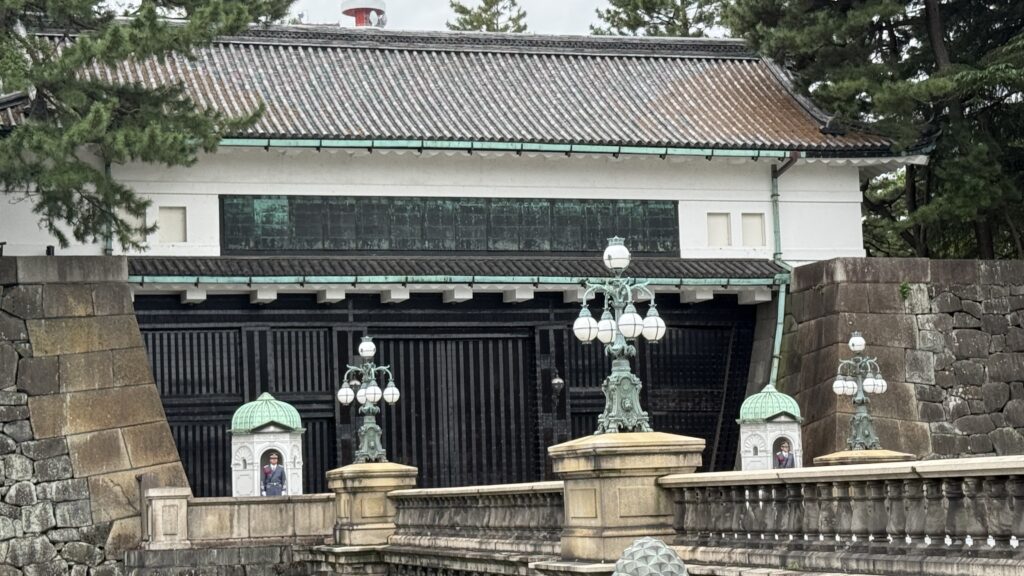
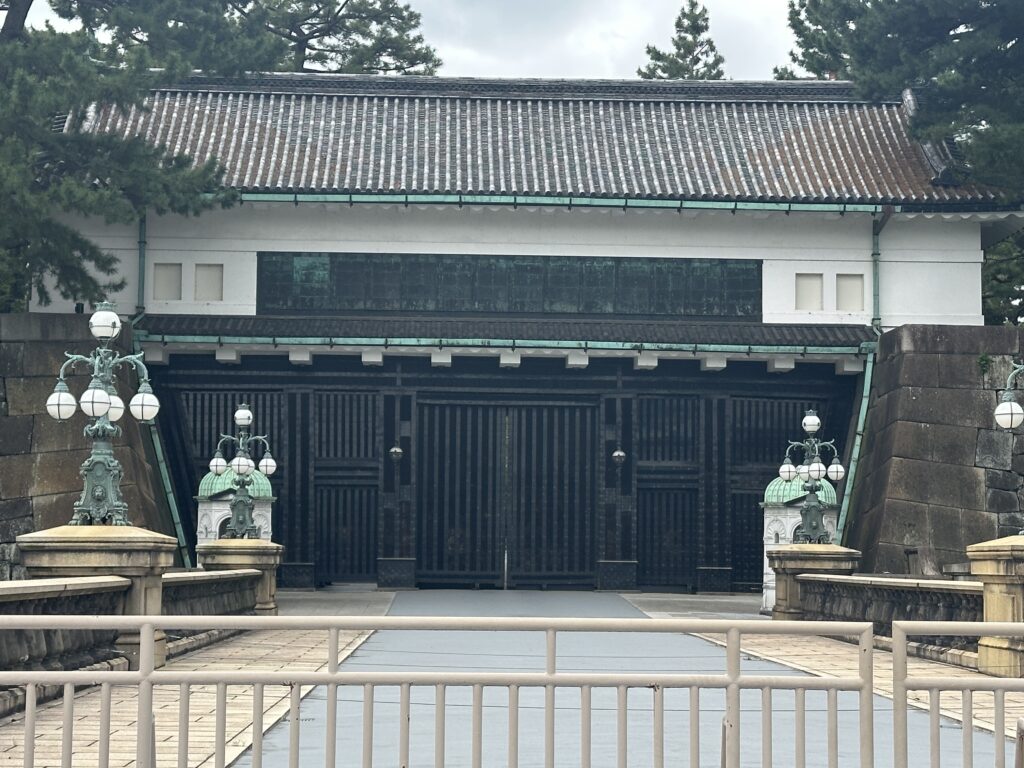
The guard station is where you can start walking your way up. It’s the closest possible point to see the entrance to the Imperial Palace doors. Even at the entrance stands two guards protecting at all times. I’m not sure where the entrance to the guided tours are since we didn’t do that. But, I don’t believe this is it since we didn’t see anyone lining up here to go inside.
Walk the perimeter
If you want to walk the perimeter of the Imperial Palace, make sure you have time. This place is enormous! We skipped this because our feet were hurting so bad from so much walking! And that’s one thing you need to be aware of – work up to the amount of walking you will be doing in Japan! We way underestimated it! Not just walking, but stairs – oh lots of stairs! True story. My husband was in a wheelchair the last three days of our trip because his knee couldn’t do give anymore. And he is mid-age and in good health!
Must go
In conclusion, a visit to Imperial Palace Tokyo is a must if it’s your first time in Japan! It will leave you thinking of all the things that could have happened in its historical significance. It symbolizes Japan’s imperial heritage. Again, make sure you make time to visit Imperial Palace Tokyo!
If you have a specific question about this post, please email me.
Senso-Ji Temple is Tokyo’s most famous and oldest temple that tourists visit. If this is your first time in Tokyo, I highly recommend a visit. In association with the 7th century, this period is known as the Edo period. You can hop off the Tokyo …