A Day in Hiroshima: Exploring the City
Hiroshima is one of Japan’s most meaningful destinations, offering visitors an opportunity to learn about one of history’s most significant events while witnessing an incredible story of resilience and renewal. Although the city is forever connected to the atomic bombing of August 6, 1945, modern-day Hiroshima is vibrant, welcoming, and filled with beautiful parks, historic landmarks, and a hopeful message of peace.
A visit to Hiroshima is both educational and emotional. The city’s memorials and museums encourage visitors to reflect on the past while promoting understanding, compassion, and a commitment to preventing future conflicts. Whether you’re interested in history, architecture, or Japanese culture, Hiroshima offers experiences that leave a lasting impression.
If you’re planning a visit, these five landmarks should be at the top of your itinerary: Peace Memorial Park, the Atomic Bomb Dome, the Children’s Peace Monument, the Hiroshima Peace Memorial Museum, and Hiroshima Castle.

Peace Memorial Park
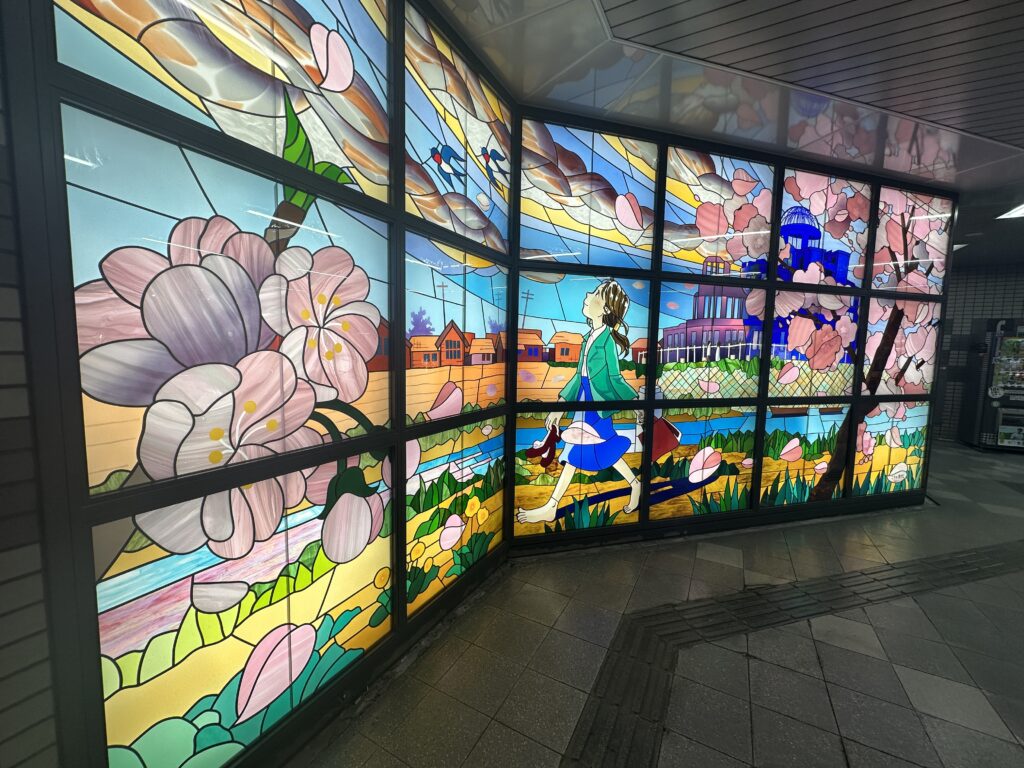
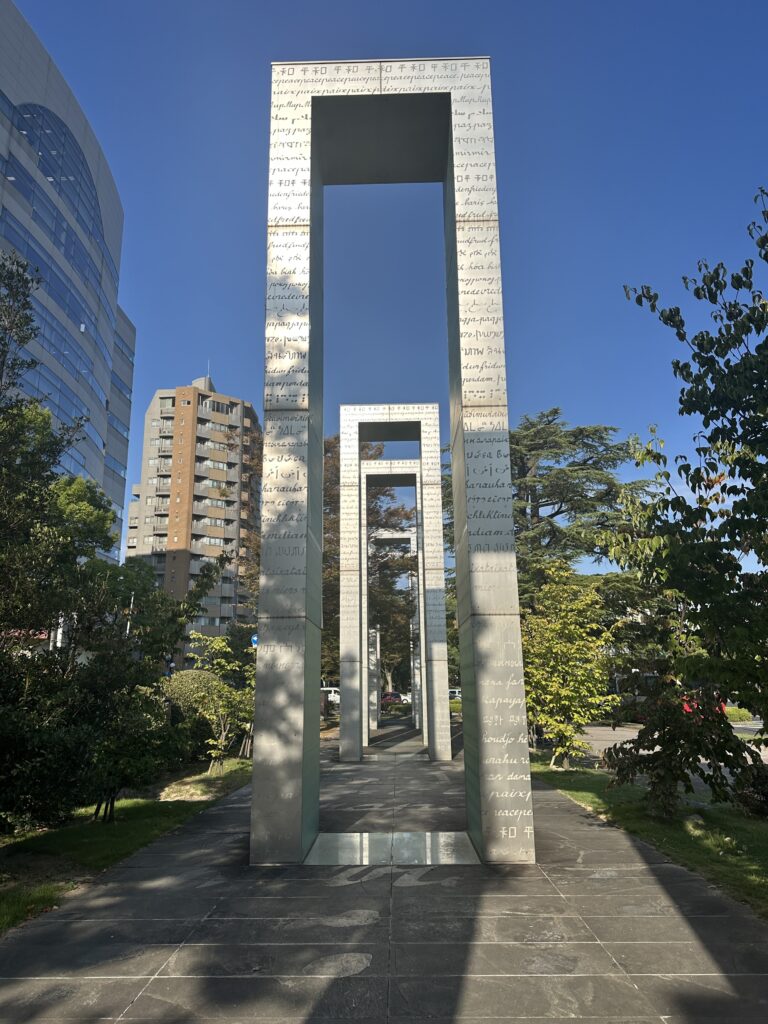
The best place to begin exploring Hiroshima is Peace Memorial Park, a spacious and beautifully landscaped area located in the heart of the city. Today, the park is filled with mature trees, peaceful walking paths, monuments, and memorials. However, before the atomic bombing, this area was one of Hiroshima’s busiest commercial and residential districts.
The park was designed not only as a memorial to the victims but also as a symbol of the city’s dedication to world peace. As you walk through the grounds, you’ll notice that the atmosphere is remarkably calm. Despite welcoming thousands of visitors every day, the park remains quiet and reflective, encouraging everyone to slow down and appreciate the significance of the location.
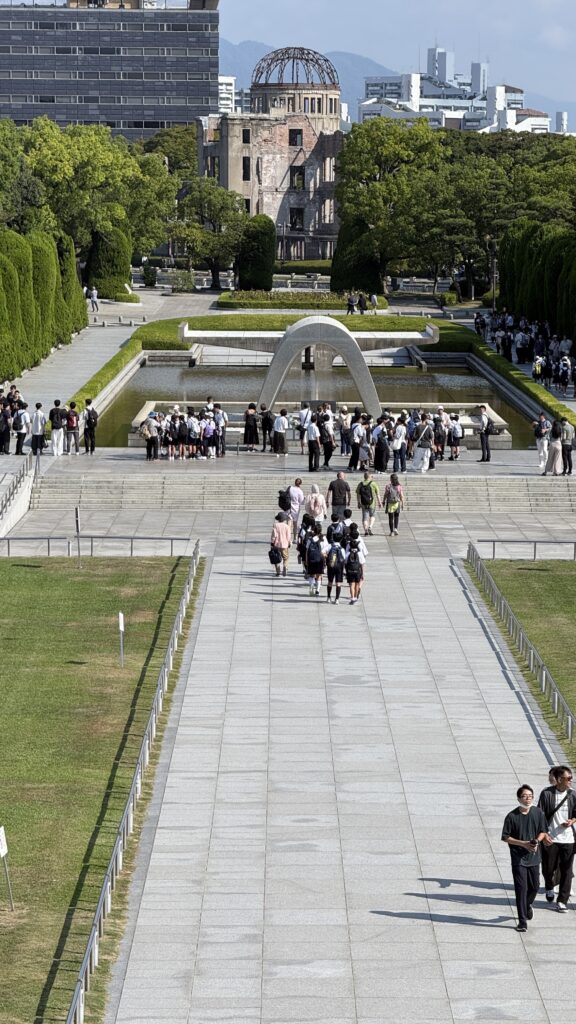
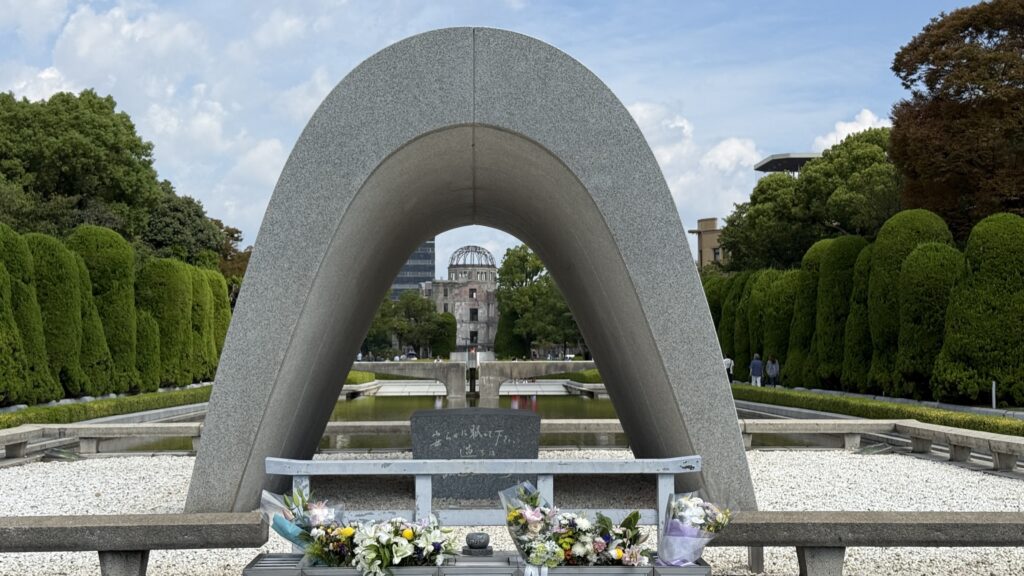
One of the park’s most recognizable landmarks is the Memorial Cenotaph, an arched monument that honors the victims of the bombing. Through the arch, visitors can see the Atomic Bomb Dome perfectly framed in the distance, creating one of Hiroshima’s most iconic views. Nearby is the Flame of Peace, which has burned continuously since 1964 and is intended to remain lit until all nuclear weapons are eliminated worldwide.
Throughout the park, informative plaques and memorials provide insight into Hiroshima’s history and the city’s ongoing efforts to promote peace. The combination of beautiful gardens, flowing rivers, and meaningful monuments creates an atmosphere unlike any other.
Many visitors spend several hours walking through the park, taking time to read the inscriptions and quietly reflect. Even if you have only one day in Hiroshima, Peace Memorial Park deserves a significant portion of your itinerary.
Atomic Bomb Dome
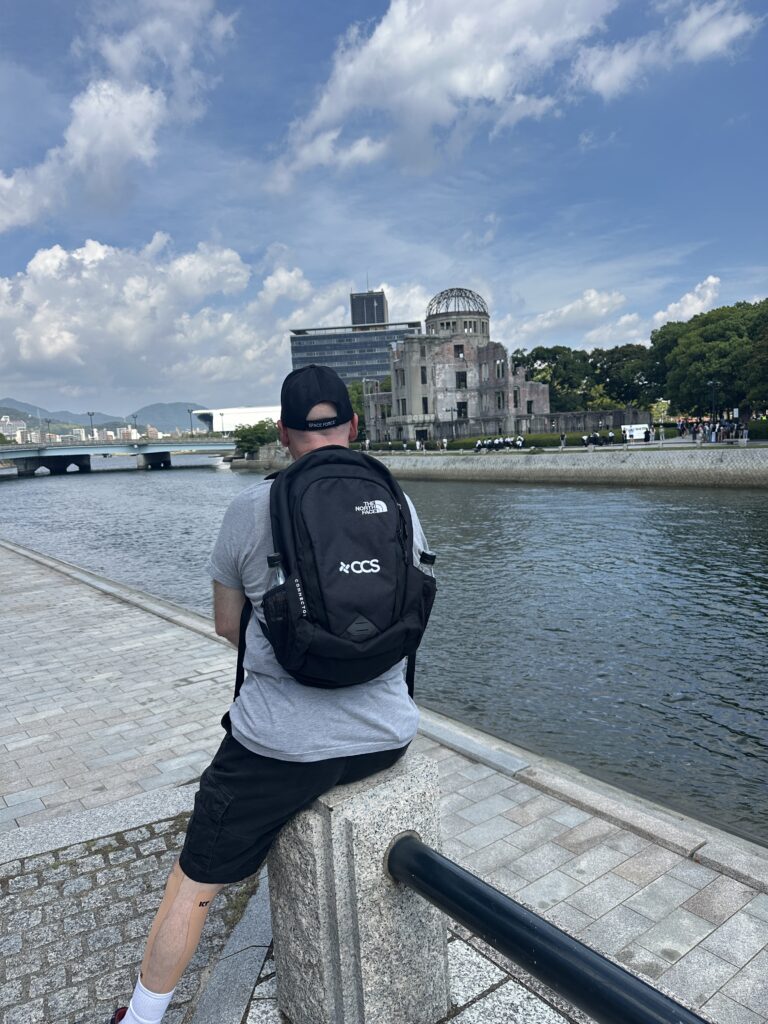
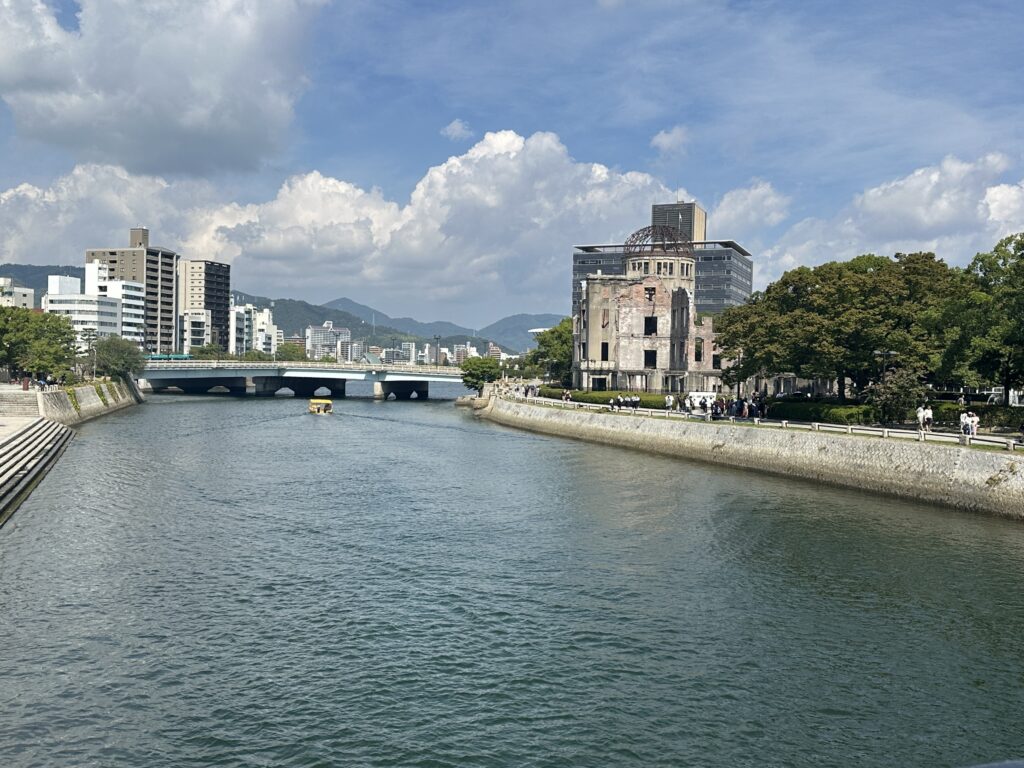
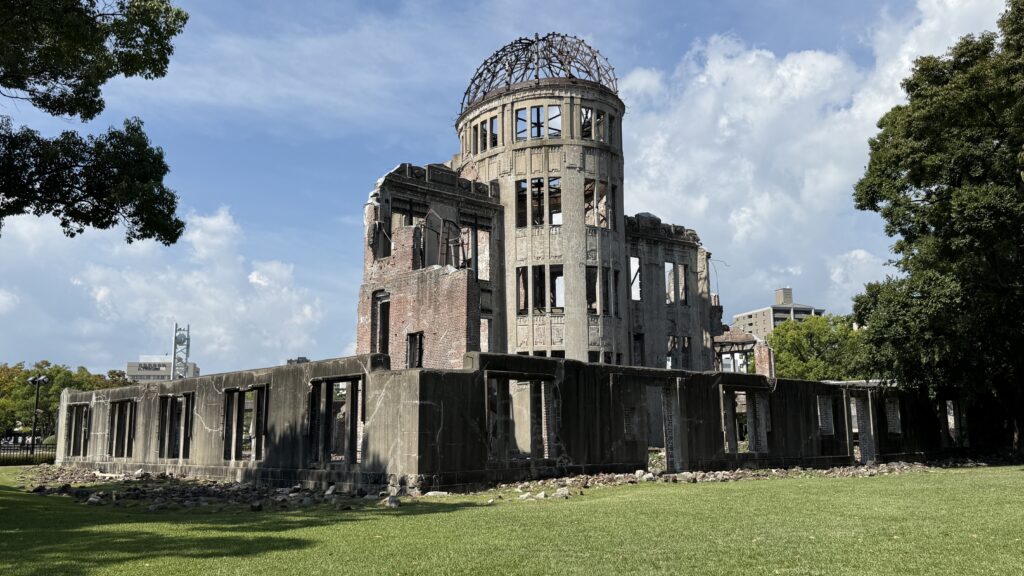
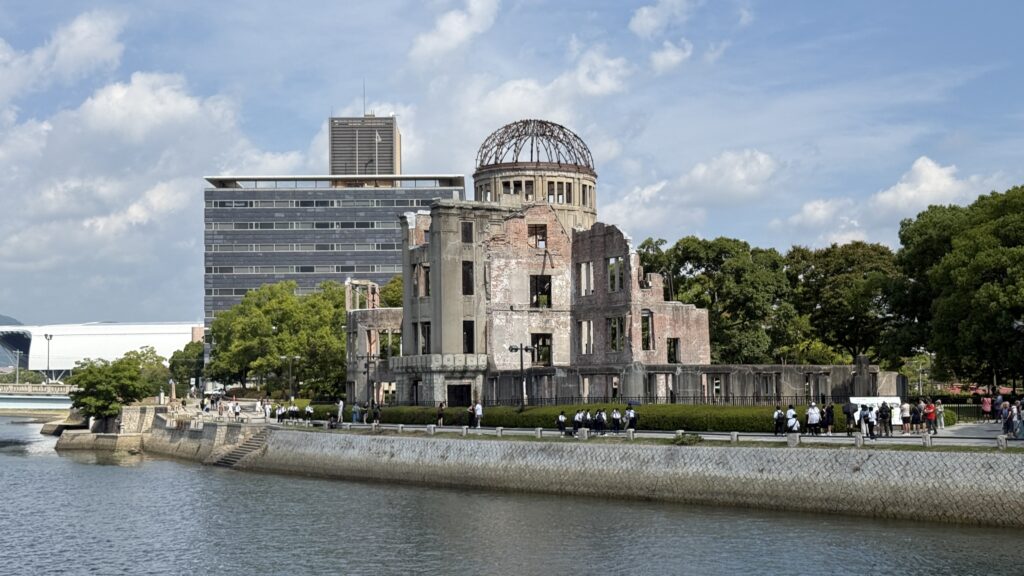
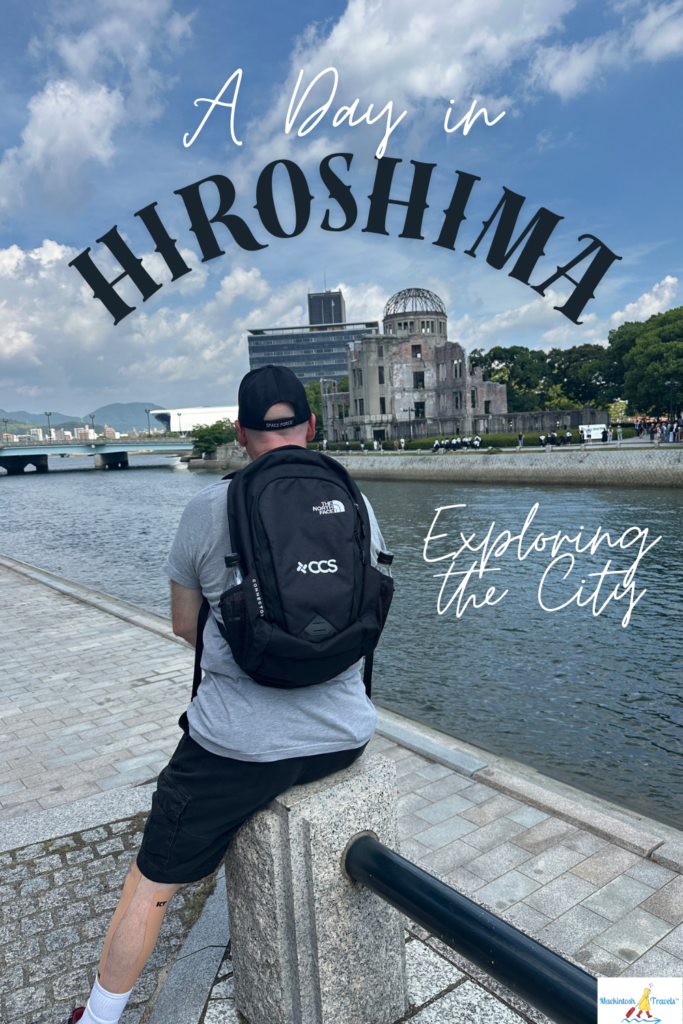
Just across the Motoyasu River stands Hiroshima’s most recognizable landmark: the Atomic Bomb Dome. Originally constructed in 1915 as the Hiroshima Prefectural Industrial Promotion Hall, the building served as an exhibition center showcasing local products and industry. On the morning of August 6, 1945, the atomic bomb exploded almost directly above the building. Although the interior collapsed under the blast, portions of the brick walls and the distinctive steel dome remained standing.
Rather than demolishing the ruins during the city’s reconstruction, Hiroshima chose to preserve the building as a permanent reminder of the devastation caused by nuclear weapons. Today, it stands as one of the world’s most powerful symbols of peace and remembrance. In 1996, UNESCO designated the Atomic Bomb Dome as a World Heritage Site, recognizing both its historical significance and its importance as a global symbol advocating for the abolition of nuclear weapons.
Standing in front of the Dome is a deeply moving experience. The skeletal remains of the structure contrast dramatically with the modern buildings surrounding it, highlighting Hiroshima’s remarkable recovery over the past several decades. Viewing platforms and riverside walkways offer excellent opportunities to observe the building from multiple angles. Informational displays explain the building’s history before and after the bombing, helping visitors understand why preserving the structure became so important.
Although many travelers stop for photographs, the site naturally encourages quiet reflection. Simply standing in silence for a few moments allows visitors to appreciate the significance of what happened here and the enduring message the building represents today.
Children’s Peace Monument
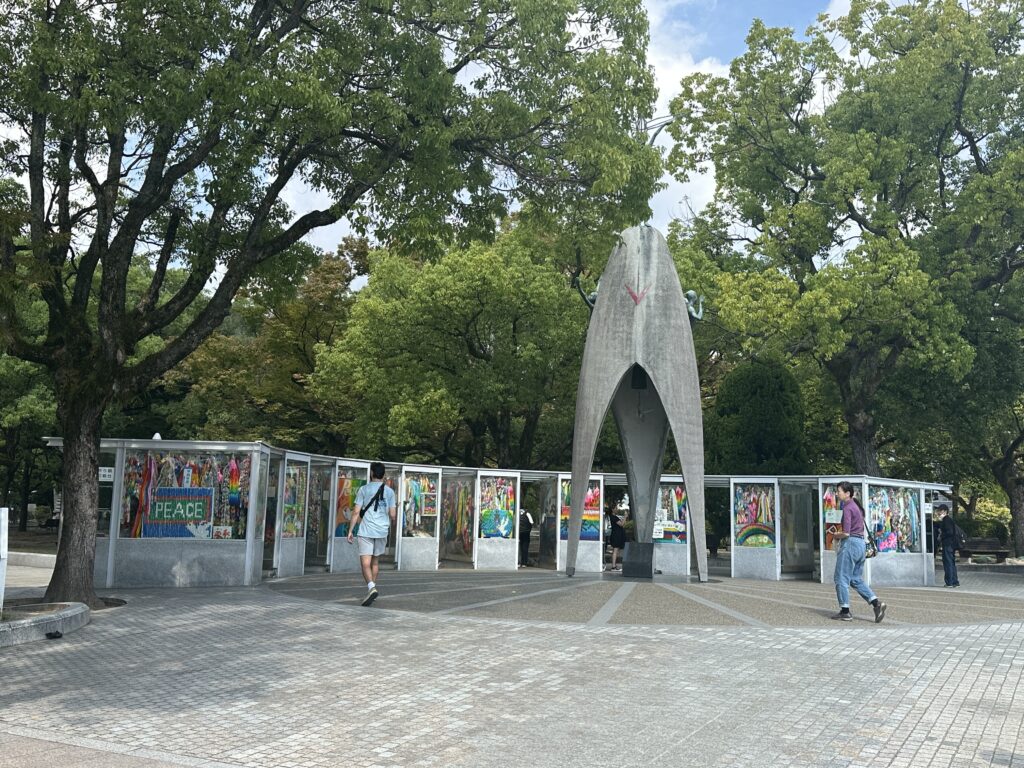
Within Peace Memorial Park, one of the most emotional and inspiring stops is the Children’s Peace Monument. The monument commemorates the thousands of children who lost their lives as a result of the atomic bombing while also serving as a symbol of hope for future generations.
At the center of the monument stands a bronze statue of Sadako Sasaki, a young girl who survived the initial bombing but later developed leukemia caused by radiation exposure. During her illness, Sadako began folding paper cranes based on the Japanese tradition that folding one thousand cranes grants a wish. Her wish was for peace and recovery.
Although Sadako passed away before achieving her goal, her story inspired children across Japan to raise funds for a memorial dedicated to all child victims of the bombing. Since its completion in 1958, the monument has become one of Hiroshima’s most visited landmarks. The thousands of colorful paper cranes surrounding the monument immediately draw visitors’ attention, which inspired us to buy a glass one from a gift shop. Schools, organizations, and individuals from around the world continue sending handmade cranes to Hiroshima as symbols of peace and friendship.
The displays are continually changing as new cranes arrive throughout the year. The brilliant colors create an uplifting contrast to the solemn history represented by the monument, reminding visitors that hope can emerge even from tragedy. For families visiting Hiroshima, the Children’s Peace Monument offers an especially meaningful opportunity to discuss kindness, empathy, and the importance of building a peaceful future. It demonstrates how one young girl’s story has inspired millions of people across generations.

Hiroshima Peace Memorial Museum
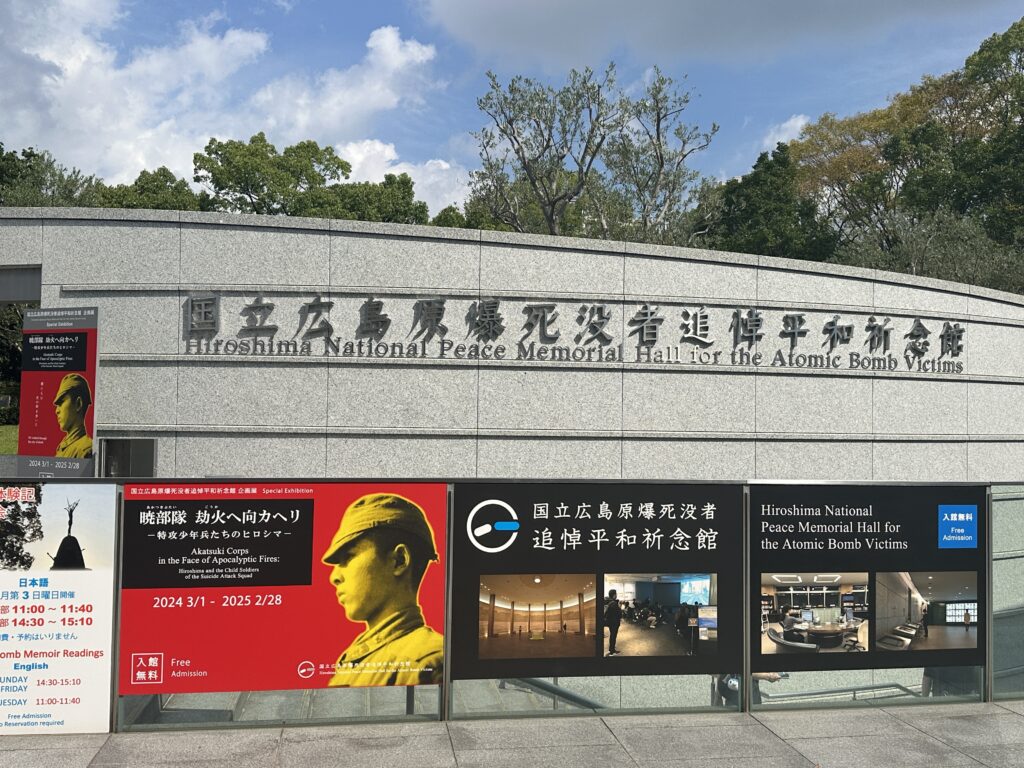
No visit to Hiroshima is complete without exploring the Hiroshima Peace Memorial Museum. Located within Peace Memorial Park, the museum provides essential historical context for understanding both the atomic bombing and its lasting impact. Make sure to have plenty of time exploring this museum! It is a sad remembrance of our world history.
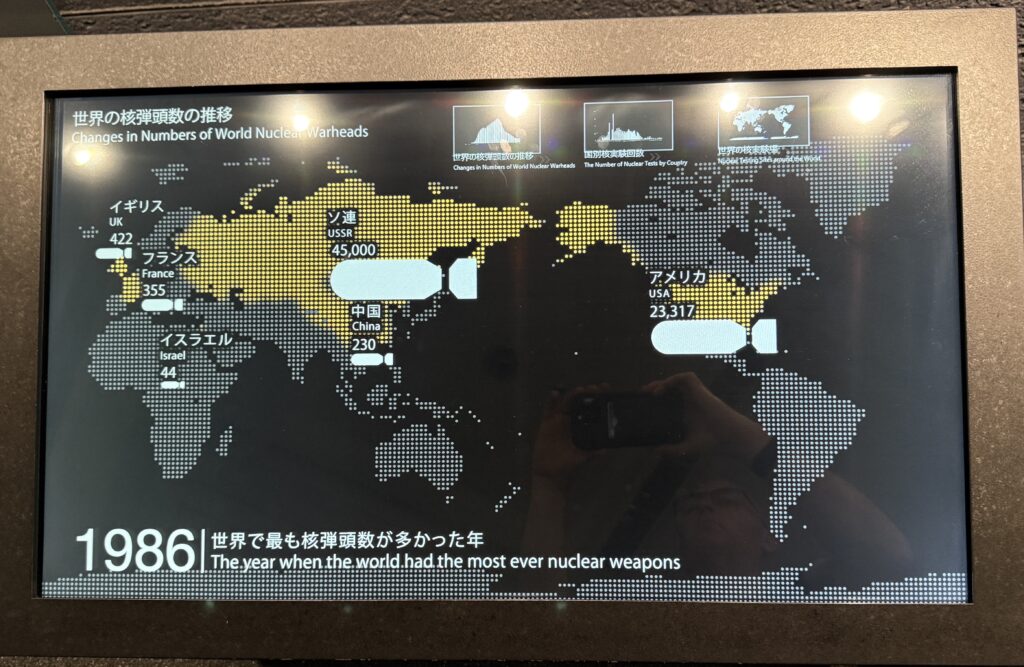
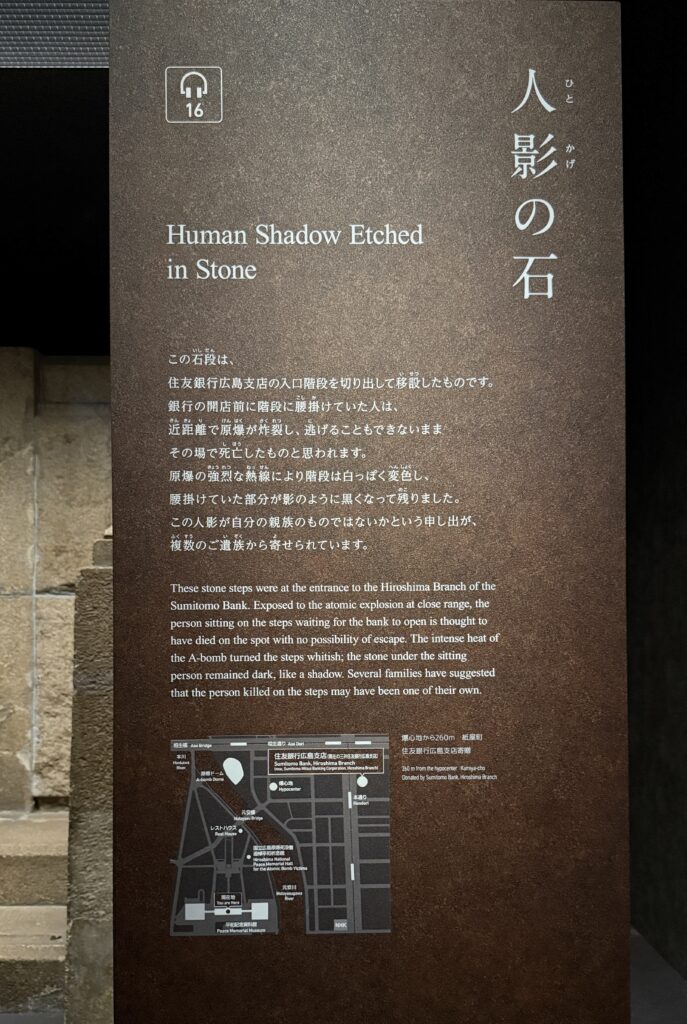
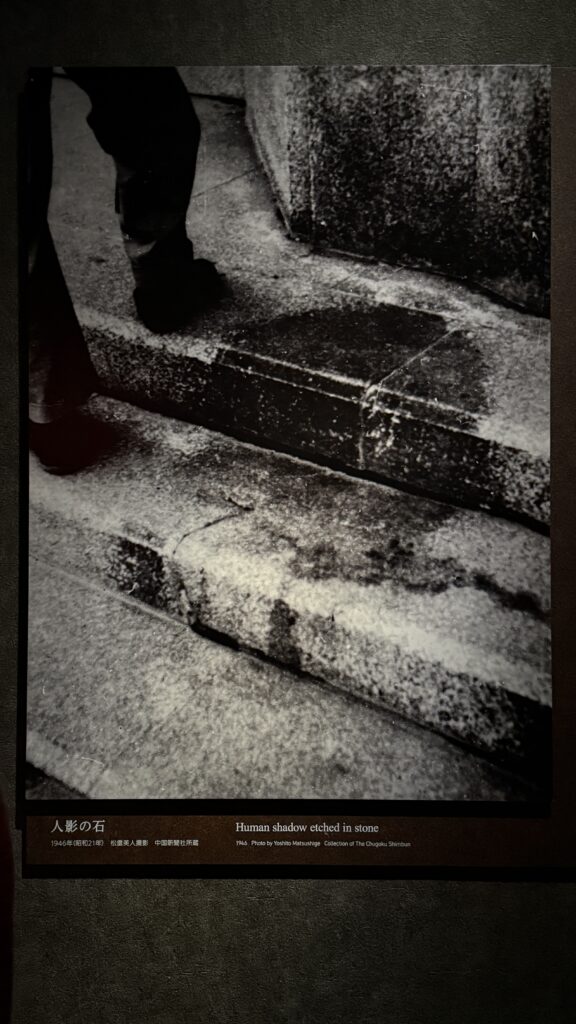
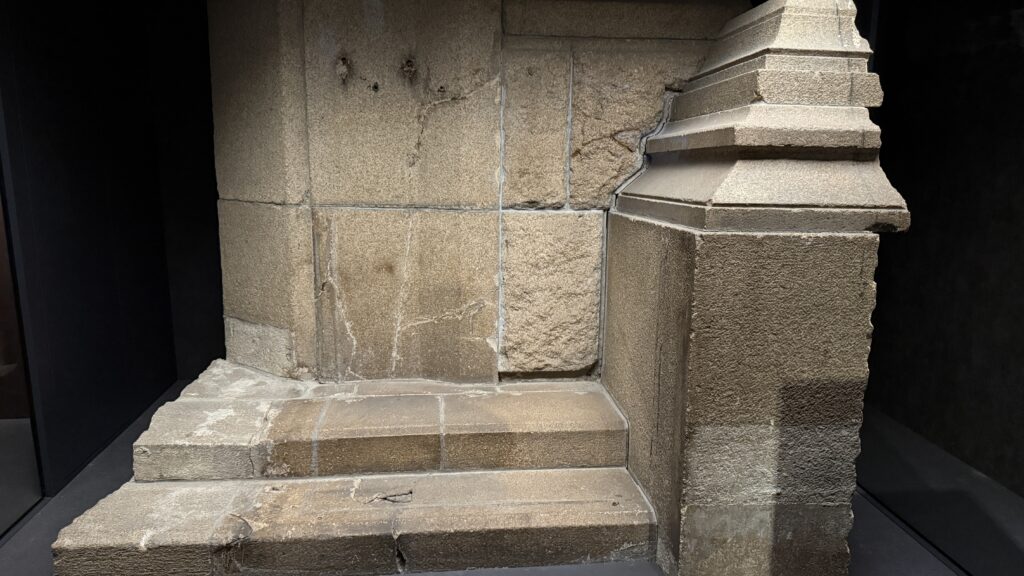
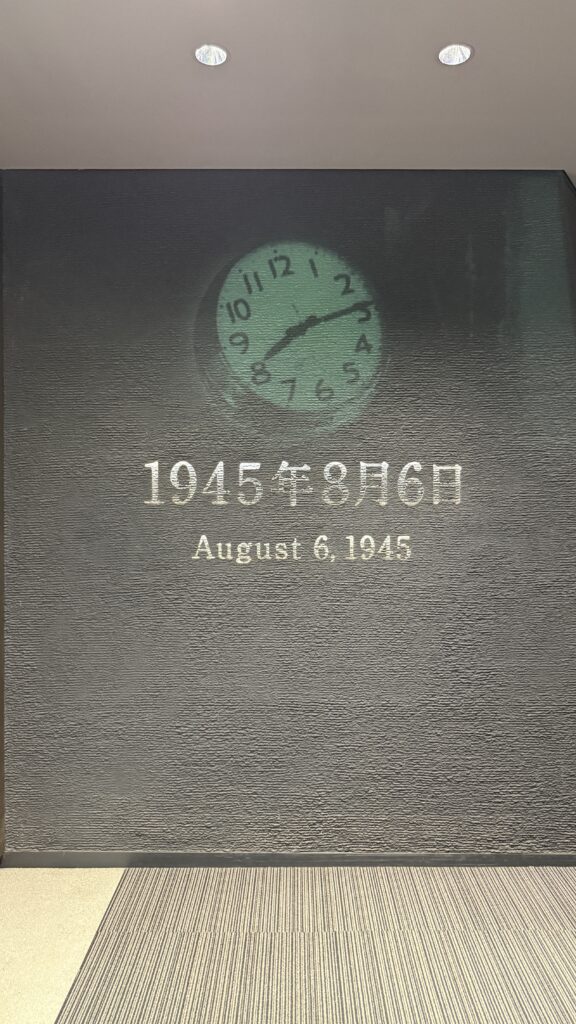
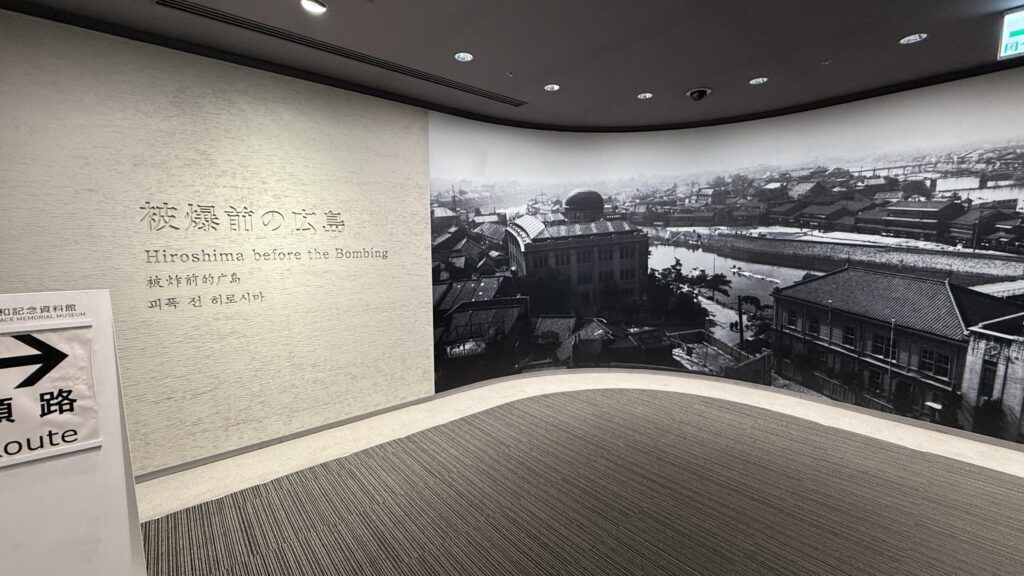
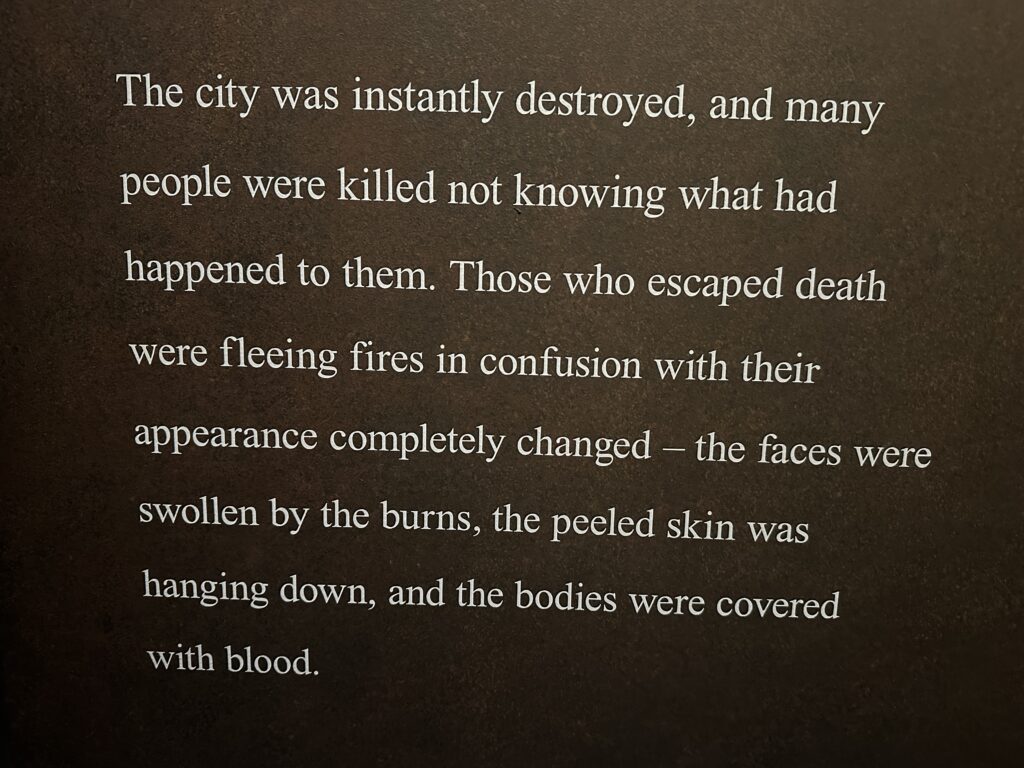
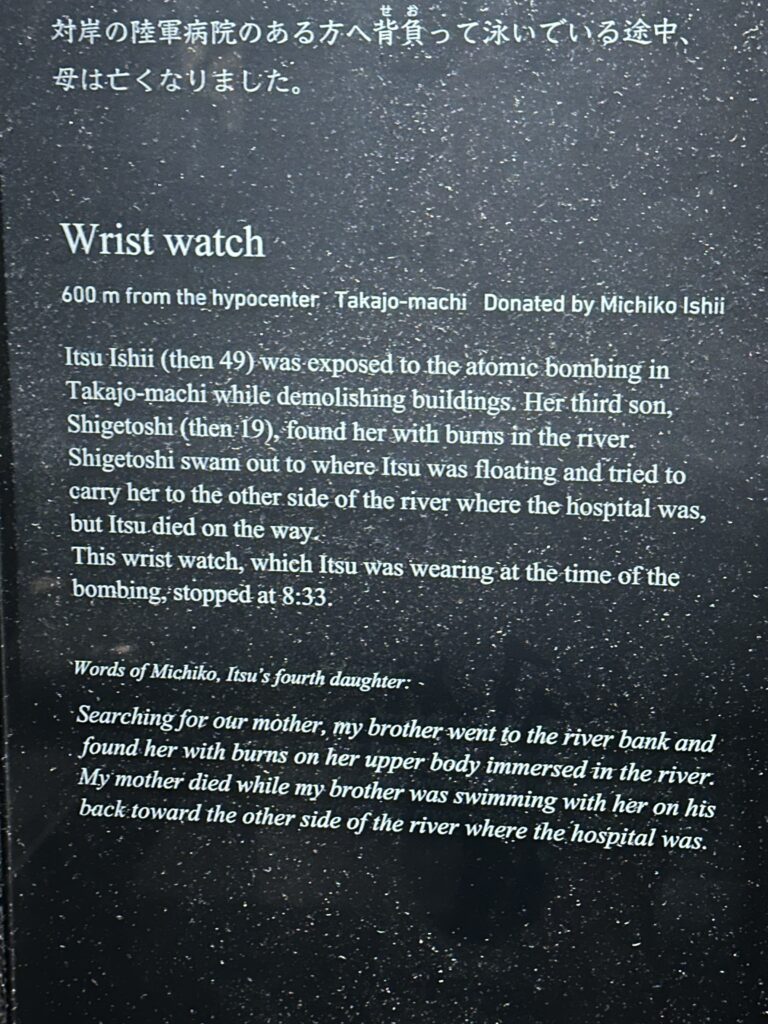
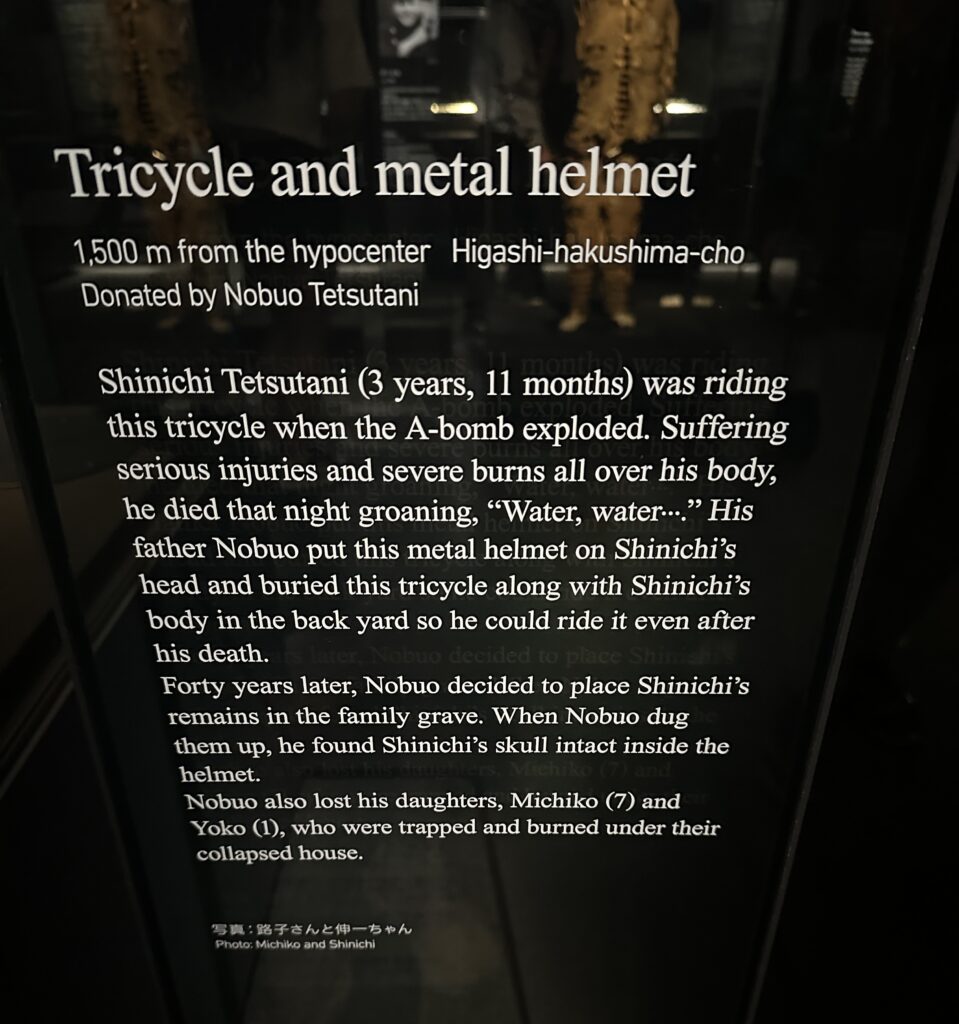
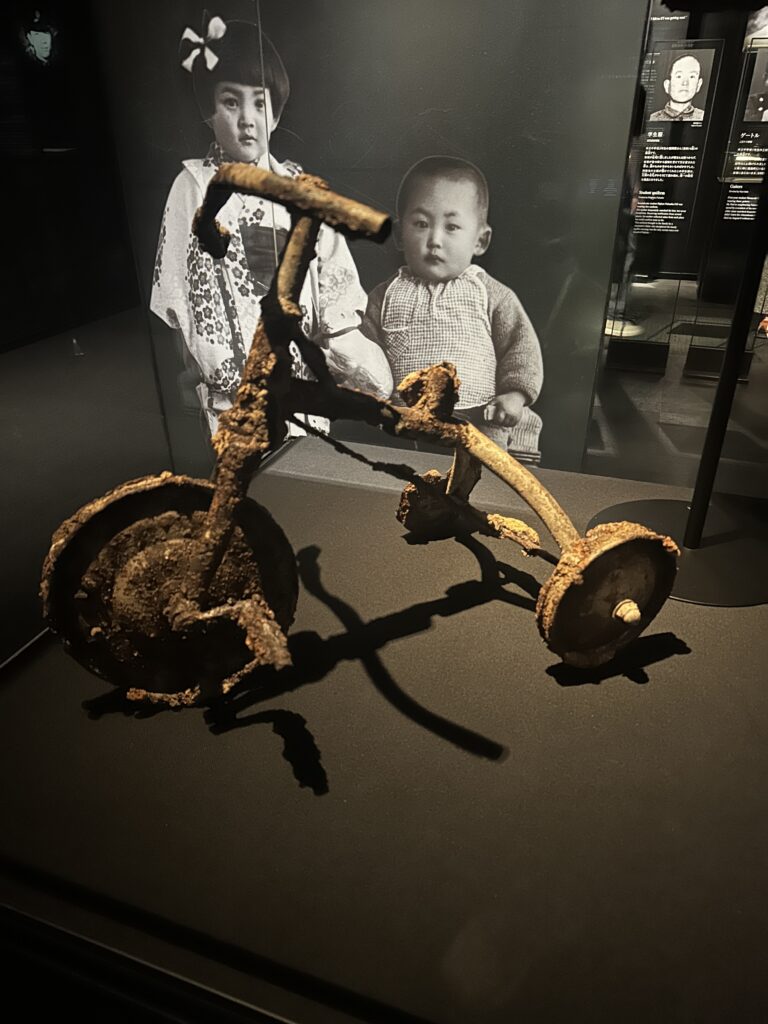
The museum begins by introducing Hiroshima before World War II, presenting photographs and exhibits that show what everyday life looked like in the city. Visitors then move through galleries documenting the events of August 6, 1945 and the immediate destruction that followed. One of the museum’s greatest strengths is its focus on personal stories rather than simply presenting historical facts and statistics.
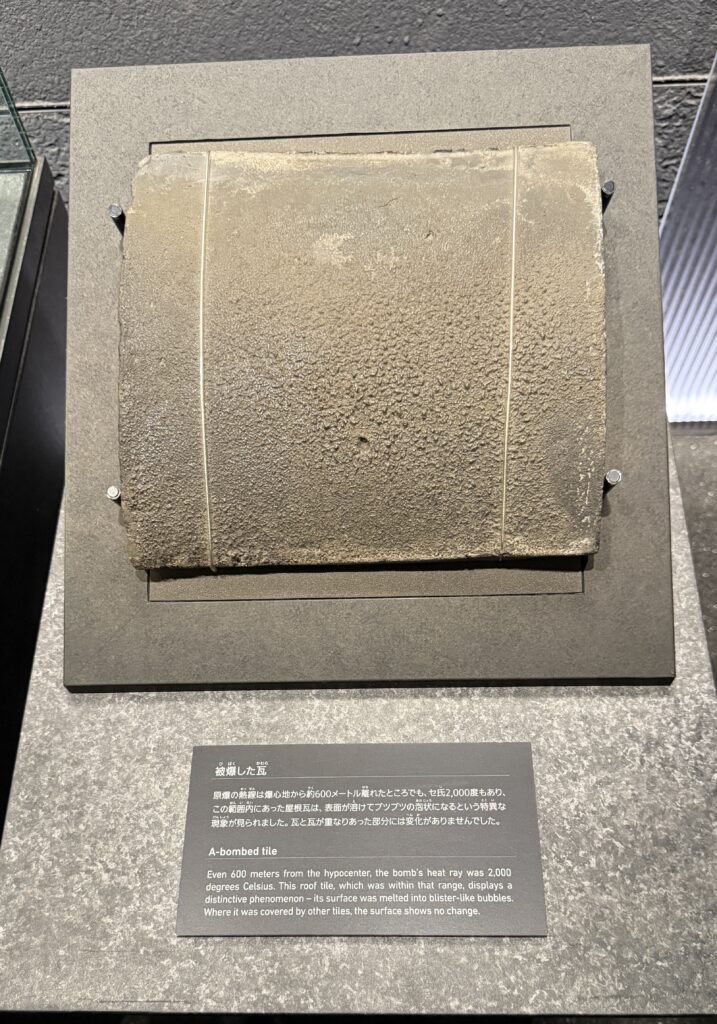
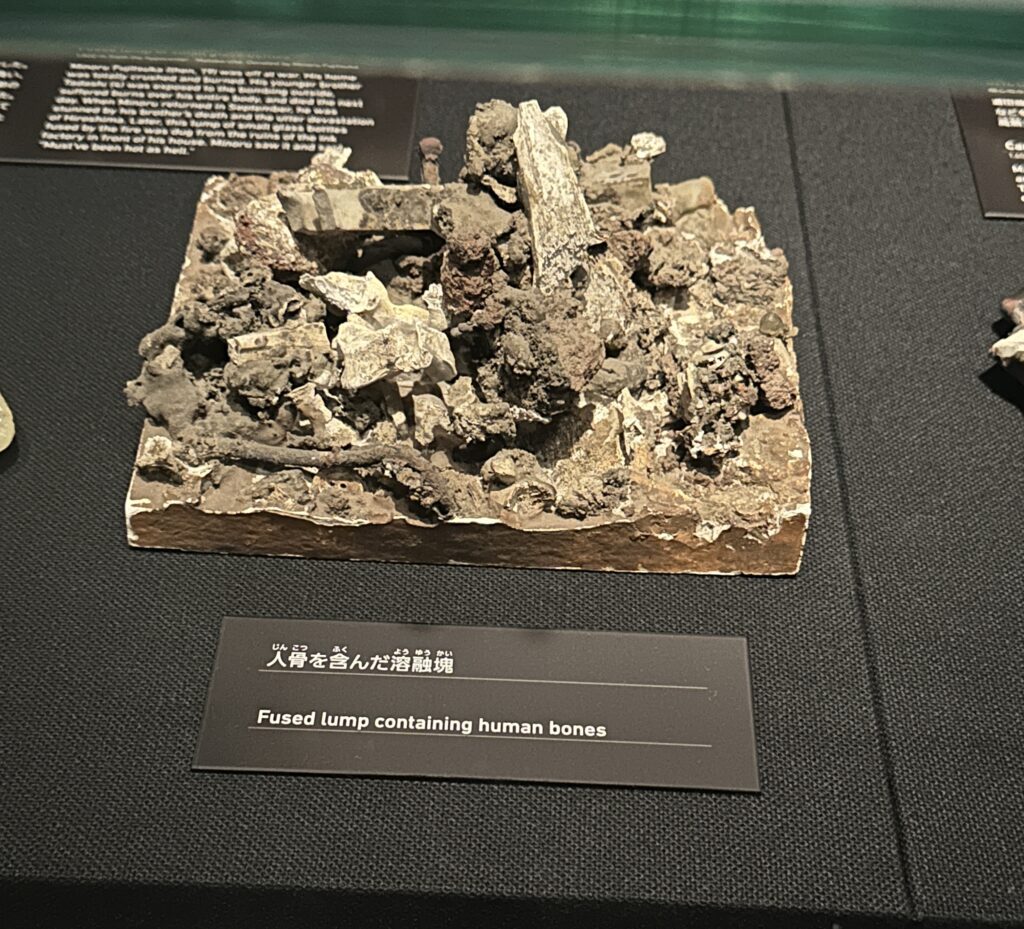
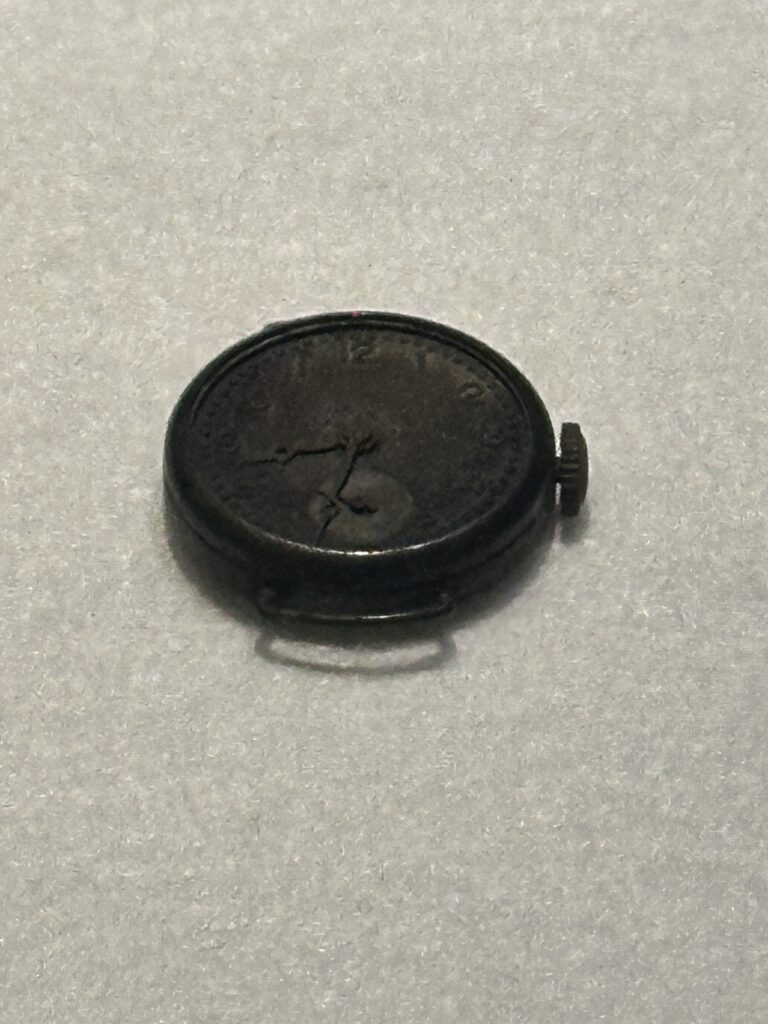
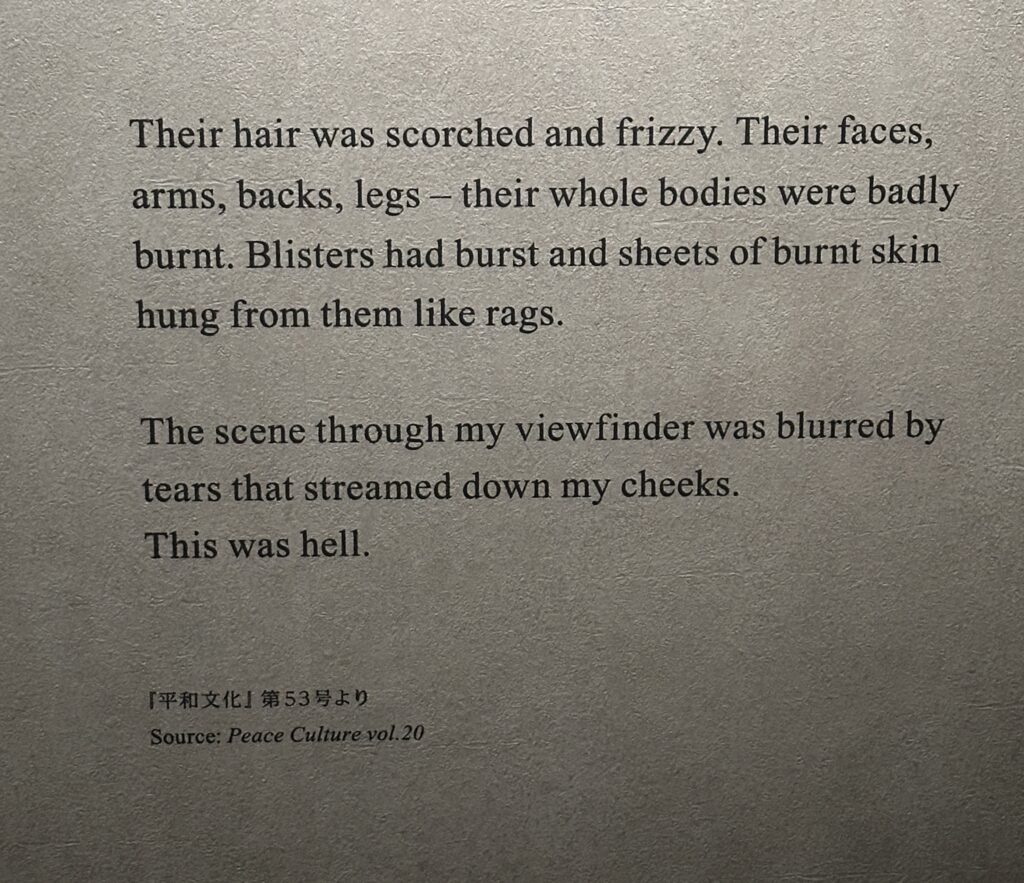
Among the exhibits are burned clothing, damaged school uniforms, melted glass bottles, warped roof tiles, stopped clocks, lunch boxes, and personal belongings recovered from the rubble. These artifacts help transform unimaginable numbers into deeply personal stories of individual lives affected by the bombing.
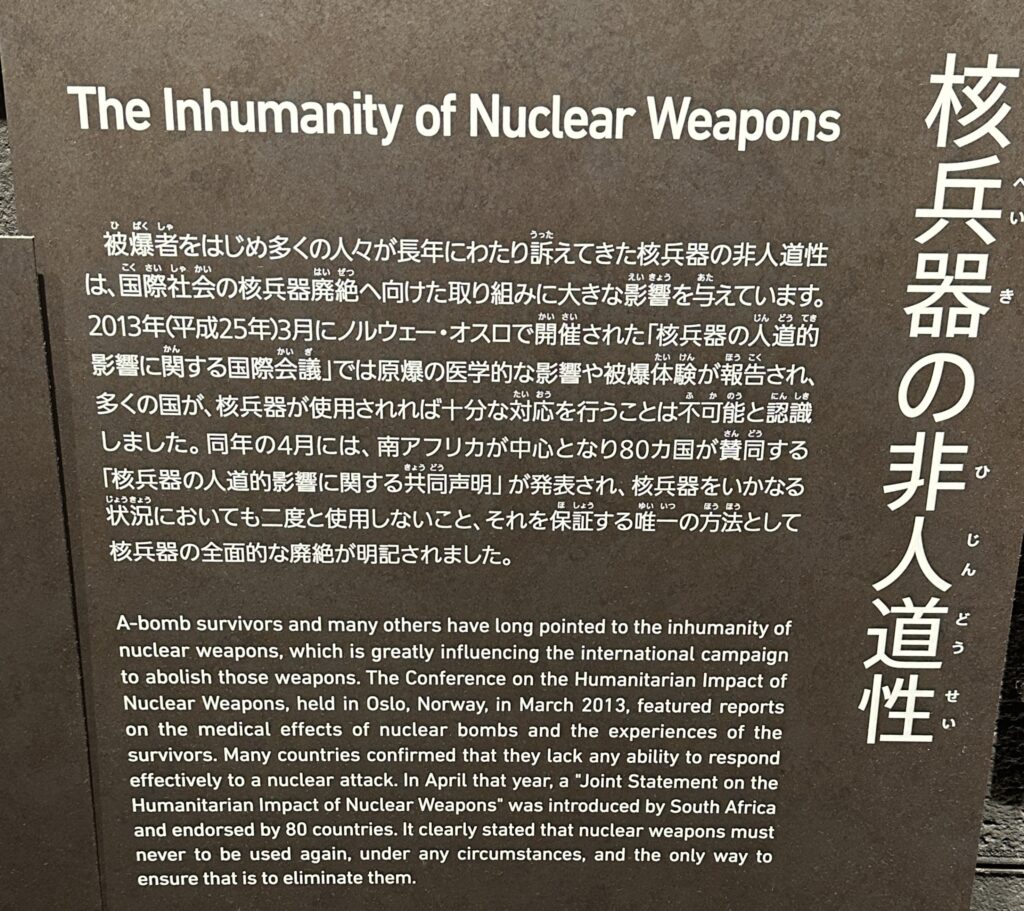
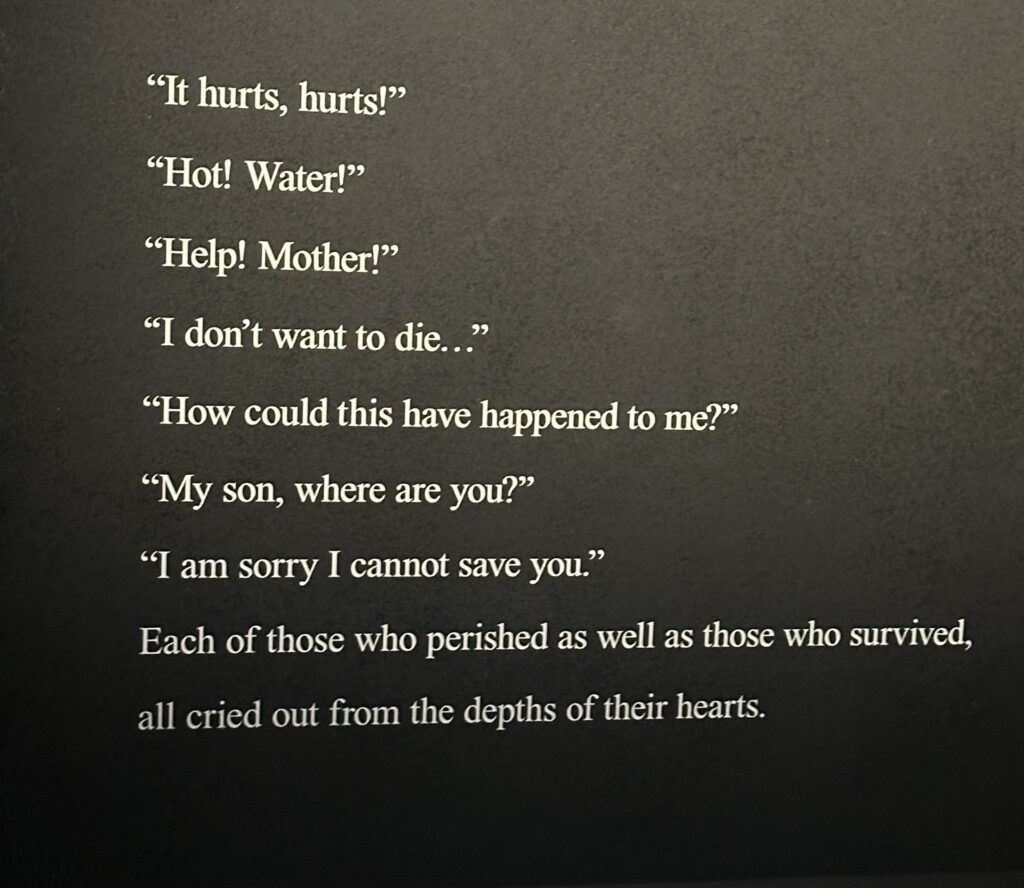
Photographs and eyewitness testimonies provide additional perspective, allowing visitors to hear directly from survivors who experienced the tragedy firsthand. The museum carefully explains both the immediate effects of the explosion and the long-term consequences of radiation exposure. While some exhibits contain graphic images and emotionally difficult material, they are presented respectfully and thoughtfully. The museum’s goal is not to shock visitors but to educate them about the human cost of nuclear warfare.
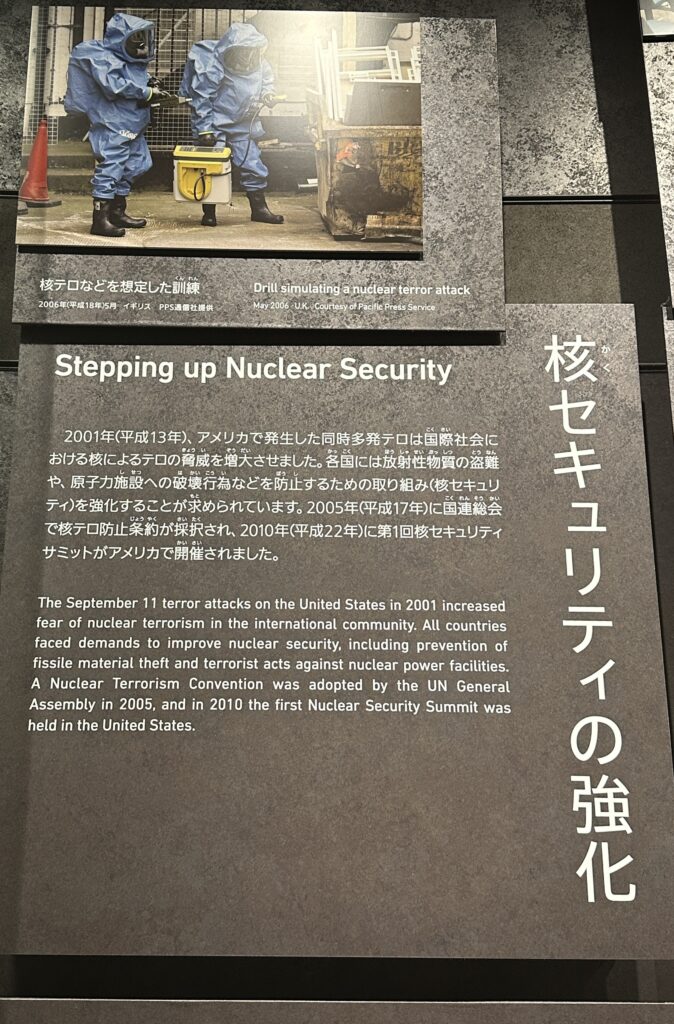
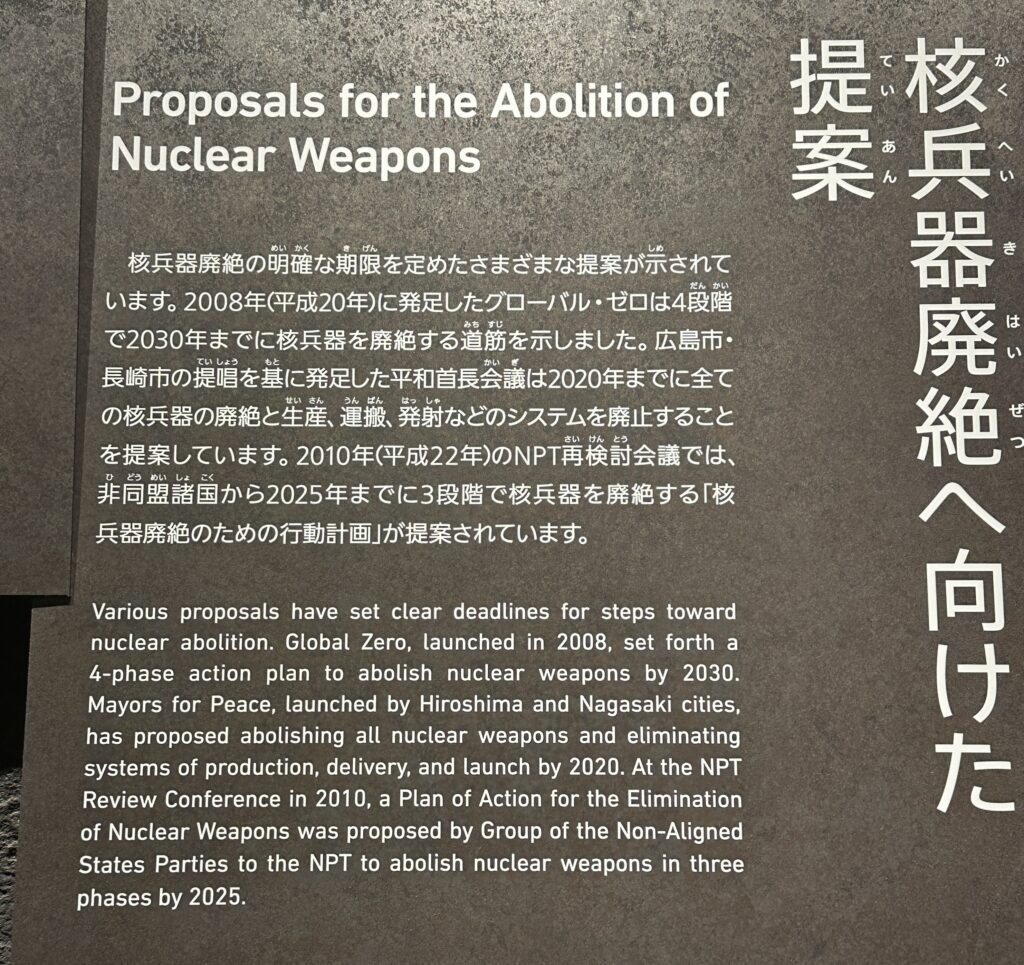
The final galleries shift the focus toward hope, highlighting international peace initiatives, nuclear disarmament efforts, and Hiroshima’s continued commitment to promoting dialogue and understanding around the world. Most visitors spend between 90 minutes and two hours exploring the museum because there is a lot to see. Taking your time allows you to fully appreciate both the historical information and the powerful personal stories shared throughout the exhibits.

Hiroshima Castle
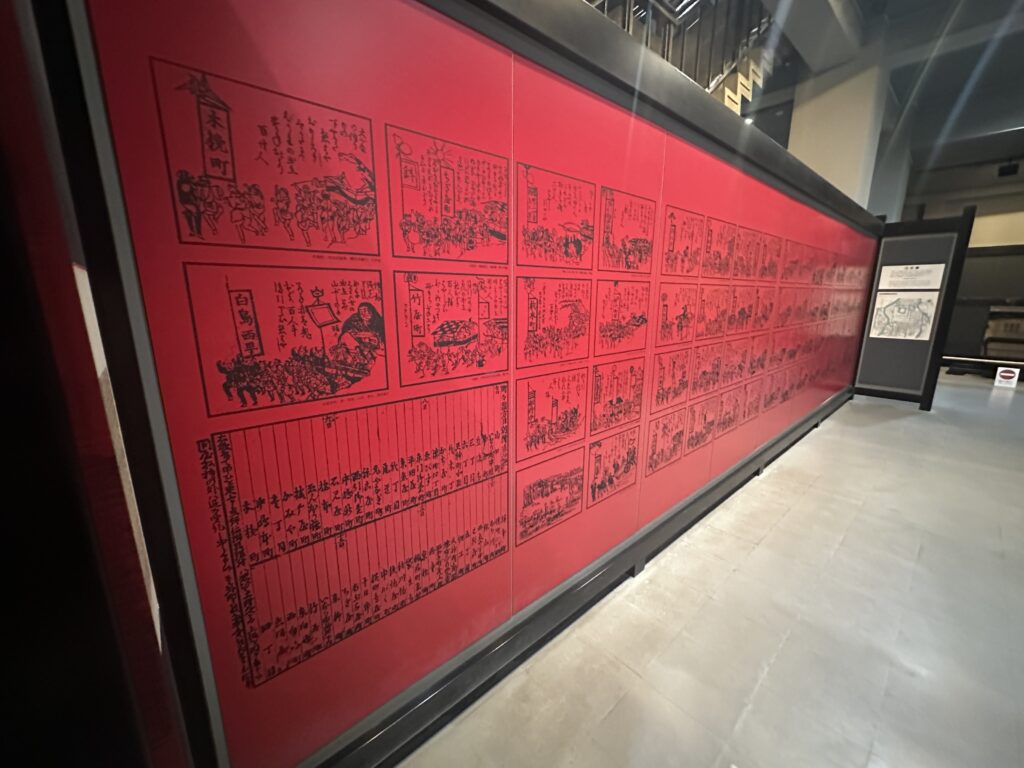
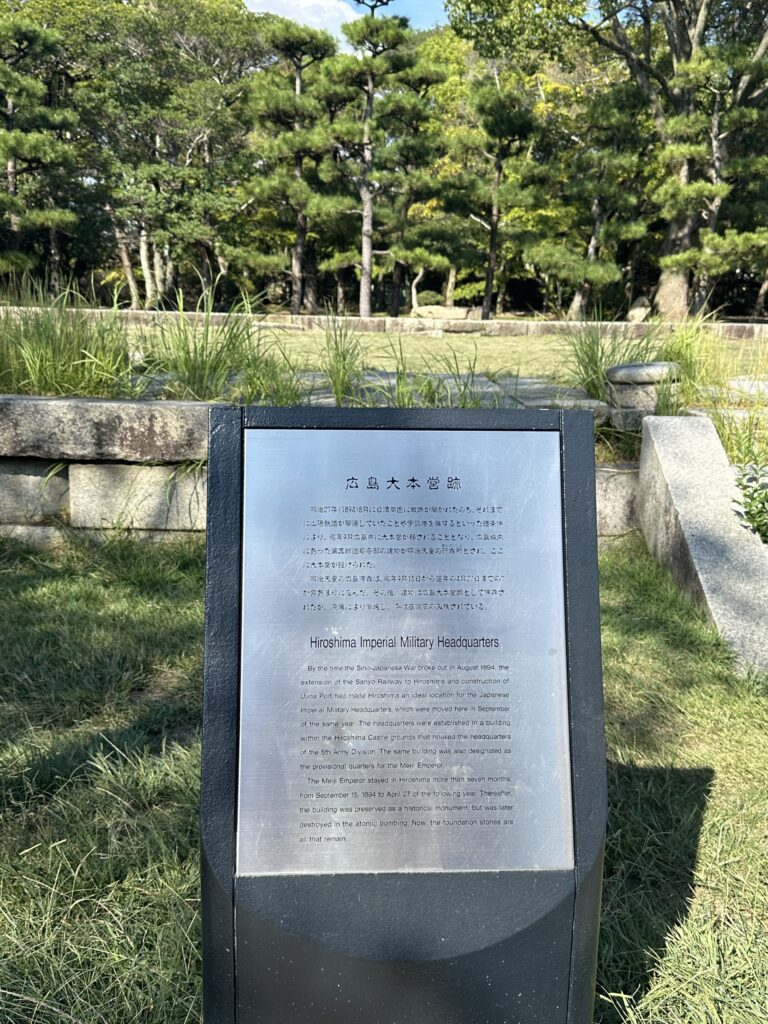
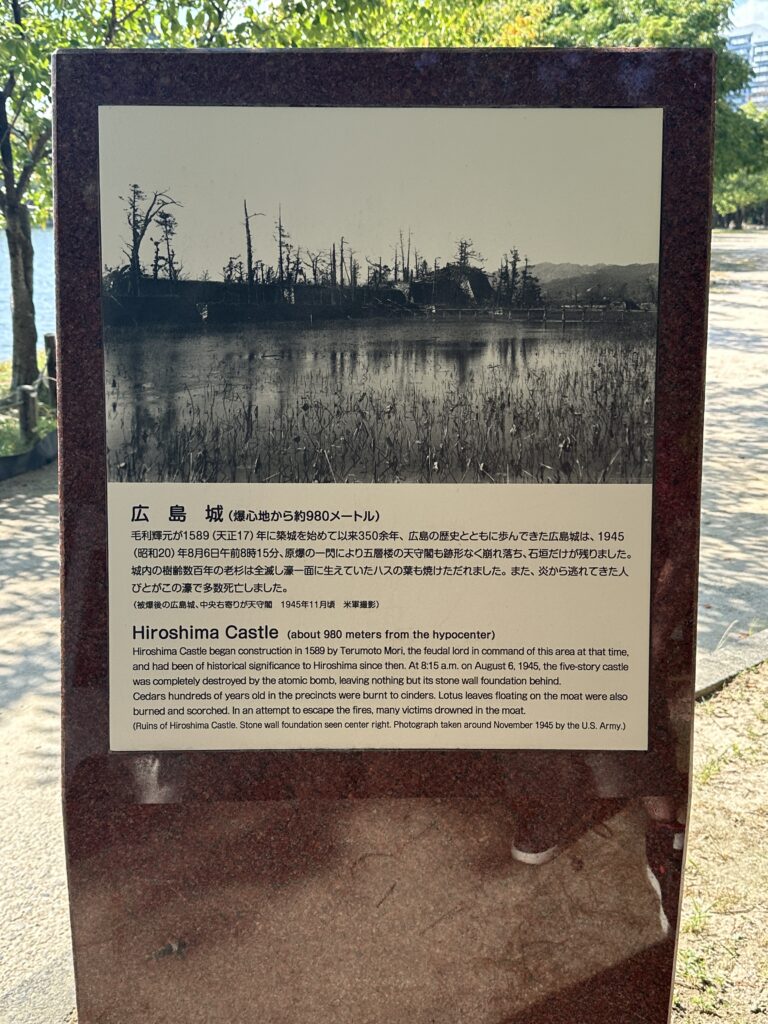
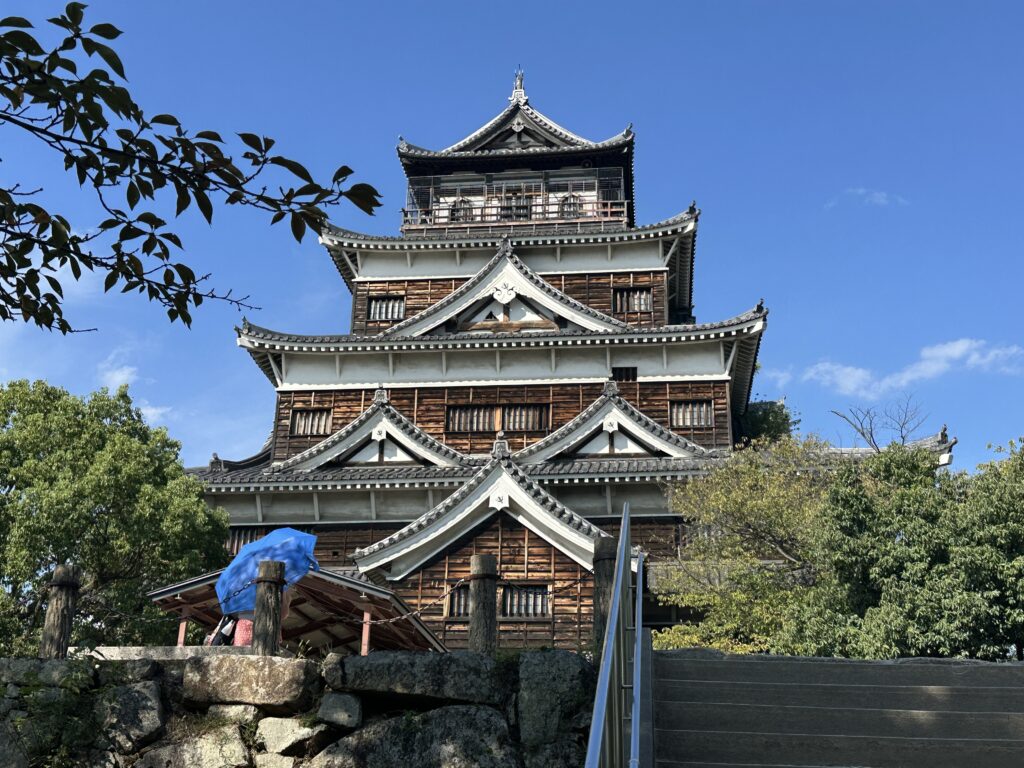
While Hiroshima is best known for its peace memorials, the city also offers visitors the chance to explore an important part of Japan’s feudal history at Hiroshima Castle. Originally constructed in the late 1500s by feudal lord Mōri Terumoto, Hiroshima Castle served as the political and military center of the region for centuries. Like much of the city, the original castle was destroyed during the atomic bombing. The current five-story keep is a faithful reconstruction completed in 1958.
Today, the castle functions as a museum dedicated to Hiroshima’s samurai heritage and feudal history. Inside, visitors can explore exhibits featuring traditional armor, swords, historical documents, castle architecture, and displays explaining the role of samurai during Japan’s feudal period.
Interactive exhibits allow visitors to learn more about daily life inside a Japanese castle and the evolution of castle construction throughout the country. One of the highlights of visiting Hiroshima Castle is climbing to the top floor observation deck. From here, visitors enjoy panoramic views of modern Hiroshima, providing an impressive perspective of how the city has grown and rebuilt itself over the decades.
The castle grounds are equally enjoyable to explore. Wide moats surround the castle, while walking paths, gardens, and seasonal flowers create a relaxing atmosphere. During spring, cherry blossom trees transform the grounds into one of Hiroshima’s most popular hanami, or flower-viewing, destinations. Hiroshima Castle offers an excellent balance to a day spent visiting the city’s memorials, reminding visitors that Hiroshima’s history extends far beyond the events of World War II.
Tips for Visiting Hiroshima
- If possible, dedicate an entire day to exploring Hiroshima’s major attractions. Peace Memorial Park and the museum deserve several hours, while Hiroshima Castle can easily fill another hour or two.
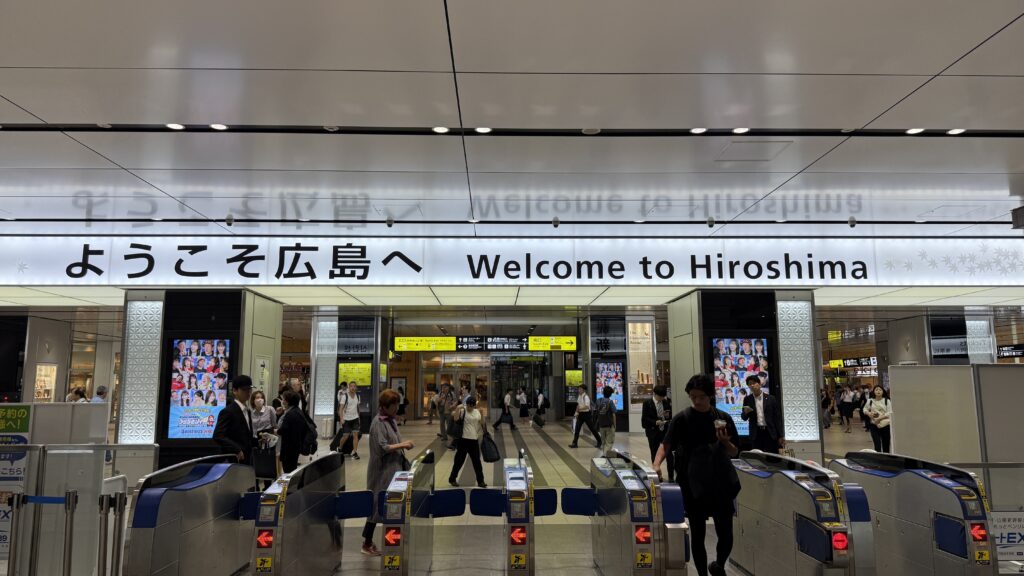
- Wear comfortable walking shoes, as most of the major attractions are within walking distance of one another. Public transportation, including Hiroshima’s famous streetcars, makes reaching the city center convenient from Hiroshima Station.
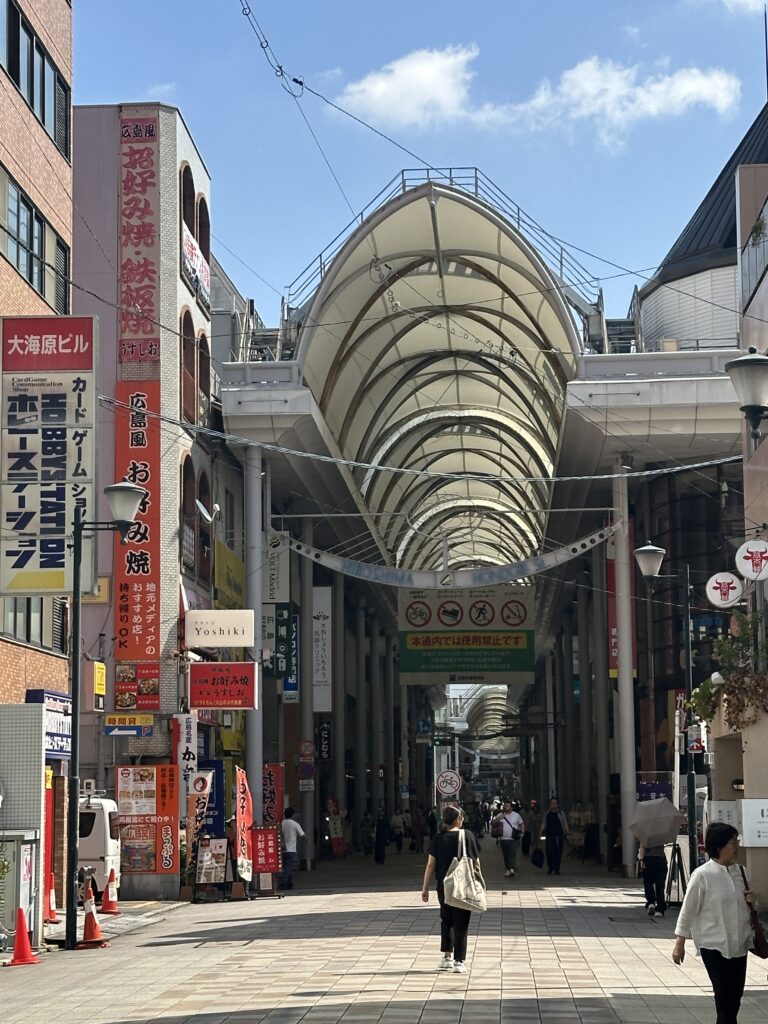
- The museum and memorials can be emotionally intense. Consider balancing your itinerary with a relaxing lunch or a stroll through one of the city’s nearby shopping streets or riverside parks.
Hiroshima is a destination unlike any other in Japan. While its memorials preserve the memory of one of history’s darkest moments, the city’s true message is one of hope, resilience, and the enduring pursuit of peace.
The Atomic Bomb Dome stands as a powerful reminder of the consequences of war. Peace Memorial Park provides a quiet place for remembrance and reflection. The Children’s Peace Monument demonstrates how one young girl’s wish for peace continues to inspire people worldwide. The Peace Memorial Museum offers an unforgettable educational experience, while Hiroshima Castle showcases the city’s rich cultural heritage that predates the events of the twentieth century.
Together, these sites create a well-rounded and deeply meaningful visit. Travelers leave Hiroshima not only with a better understanding of history but also with a greater appreciation for the importance of compassion, dialogue, and peace.
Whether you’re visiting Japan for the first time or returning to explore more of the country, Hiroshima is a destination that deserves a place on every travel itinerary. It is a city that honors its past while looking confidently toward the future, ensuring that its lessons continue to inspire generations to come.
If you have a specific question about this post, please email me.
PIN ME!
You might also like to read: